PM Modi calls for sustainable, climate-resilient farming ecosystem
Synopsis
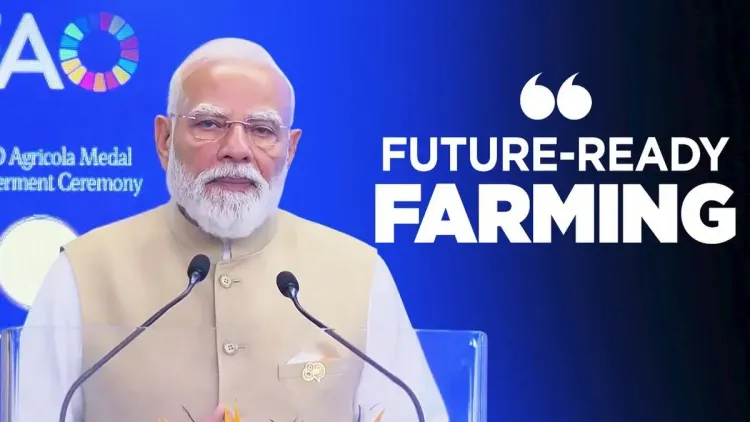
Prime Minister Narendra Modi on 21 May 2026 called for a farming ecosystem that is sustainable, climate-resilient and future-ready, framing agriculture as both India’s cultural foundation and a strategic priority amid growing climate variability.
Key Takeaways
PM Modi on 21 May 2026 described agriculture as the core current of life in India and an inseparable part of its culture.
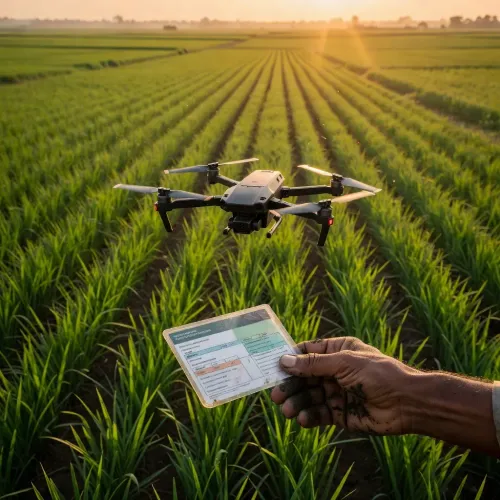
The government’s stated goal is a farming ecosystem that is sustainable , climate-resilient and future-ready , not just focused on higher production.
The National Mission for Sustainable Agriculture , launched in 2010 , provides the existing policy framework for climate-resilient farming.
The income-doubling target set in 2016 included explicit sustainability and resilience components for the agricultural sector.
Small and marginal farmers and rural communities stand to benefit most from a scaled-up climate-smart agriculture push.
Upcoming Union Budget allocations and Ministry of Agriculture guidelines will indicate how this vision translates into programme-level action.
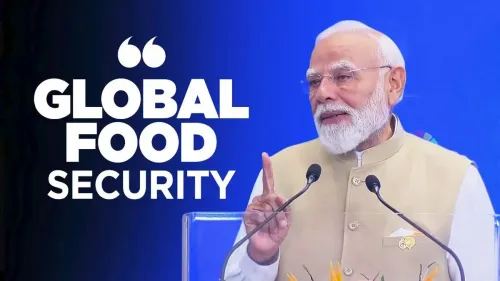
Prime Minister Narendra Modi on Thursday, 21 May 2026 reaffirmed the government's commitment to building a farming ecosystem that is sustainable, climate-resilient and future-ready, describing agriculture as the core current of life in India and an inseparable part of its culture.
In a post on X, Modi wrote in Hindi: “भारत में कृषि जीवन की मूल धारा और हमारी संस्कृति का अभिन्न अंग है” (“Agriculture in India is the core current of life and an inseparable part of our culture”). He added that the government is working not merely to increase production but to build a farming ecosystem that is simultaneously sustainable, climate-resilient and future-ready.
Context
The statement situates agriculture within a cultural and civilisational frame that successive Indian governments have used to build grassroots acceptance for policy reform. By linking productivity goals with sustainability and climate resilience in a single message, Modi signals that the two objectives are being pursued together rather than in tension.
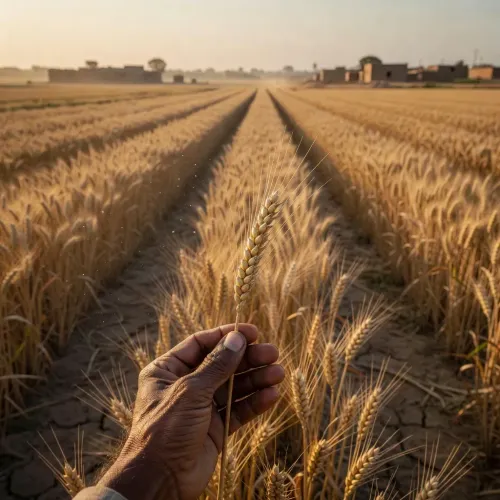
India’s agricultural sector supports the livelihoods of a large share of the rural population, and its output remains closely tied to monsoon variability and increasingly frequent extreme weather events — concerns that have grown more acute through the 2020s.
Policy Backdrop
The broader policy architecture dates to 2008, when India adopted the National Action Plan on Climate Change, which included the National Mission for Sustainable Agriculture (NMSA) — launched in 2010 — to promote climate-resilient practices, soil health management and efficient resource use among farmers.
In 2016, the government set a target of doubling farmers’ incomes, with explicit components for sustainable and resilient agricultural ecosystems. That target was subsequently extended, and the sustainability dimension has remained a consistent thread in the Ministry of Agriculture and Farmers Welfare’s planning documents.
Stakeholders and Impact
Small and marginal farmers and rural communities bear the greatest exposure to crop losses from erratic rainfall, heat stress and soil degradation, making them the primary beneficiaries of a scaled-up climate-resilient farming push. Policy instruments under the NMSA — including soil health cards, micro-irrigation support and contingency crop planning — are designed specifically for this segment.
Wider food security, commodity price stability and India’s commitments under international climate agreements are also at stake, making the framing of agriculture as both a cultural and an environmental priority a matter of national policy coherence.
What’s Next
Observers will watch for concrete allocations and operational guidelines for climate-smart agriculture in the next Union Budget, as well as any new directives from the Ministry of Agriculture and Farmers Welfare that translate this vision into programme-level action. The government’s ability to scale sustainable practices to small farmers across diverse agro-climatic zones will be the practical test of the ecosystem it describes.
Point of View
Linking tradition-minded rural voters with the sustainability agenda that international partners increasingly expect. By coupling production targets with resilience and sustainability in a single message, the government positions itself against any criticism that growth is being pursued at the environment’s expense. This also pre-empts budget-season scrutiny: anchoring the narrative in values before numbers are announced is a well-established tactic in Indian political communication. The durability of this framing will depend on whether the next budget cycle delivers measurable resource flows to small farmers on the ground.
NationPress
7 Oct 2026
Frequently Asked Questions
What did PM Modi say about Indian agriculture on 21 May 2026?
PM Modi said agriculture is the core current of life and an inseparable part of India’s culture, and that the government is working to build a farming ecosystem that is sustainable, climate-resilient and future-ready — not just focused on increasing production.
What is India’s National Mission for Sustainable Agriculture?
The National Mission for Sustainable Agriculture (NMSA) was launched in 2010 under India’s National Action Plan on Climate Change to promote climate-resilient practices, soil health management and efficient resource use among farmers.
What does climate-resilient agriculture mean for Indian farmers?
Climate-resilient agriculture refers to farming practices designed to withstand erratic monsoons, heat stress and extreme weather, including soil health management, micro-irrigation and contingency crop planning, helping farmers protect yields and livelihoods.
What was India’s target for doubling farmers’ incomes?
The Indian government set a target to double farmers’ incomes in 2016, with explicit sustainability and resilience components; the deadline was subsequently extended and the goal remains an active policy objective.
What should observers watch for next on India’s sustainable agriculture policy?
Observers should watch Union Budget allocations and new operational guidelines from the Ministry of Agriculture and Farmers Welfare for concrete funding and programme details on climate-smart agriculture.