PM Modi Backs Youth Employment via Viksit Bharat Rozgar Yojana
Synopsis
PM Modi on June 19, 2026 promoted the Prime Minister Viksit Bharat Rozgar Yojana, saying it gives industries confidence that the government stands behind youth hiring. The scheme incentivises employers to offer first jobs to young Indians, aligning with the Viksit Bharat 2047 vision for a developed India.
Key Takeaways
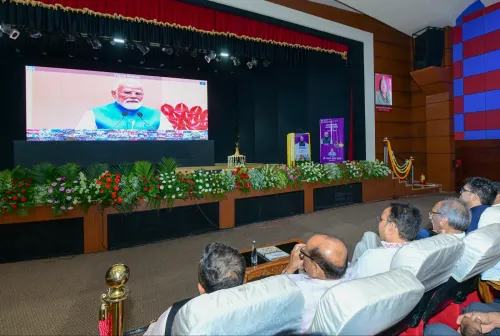
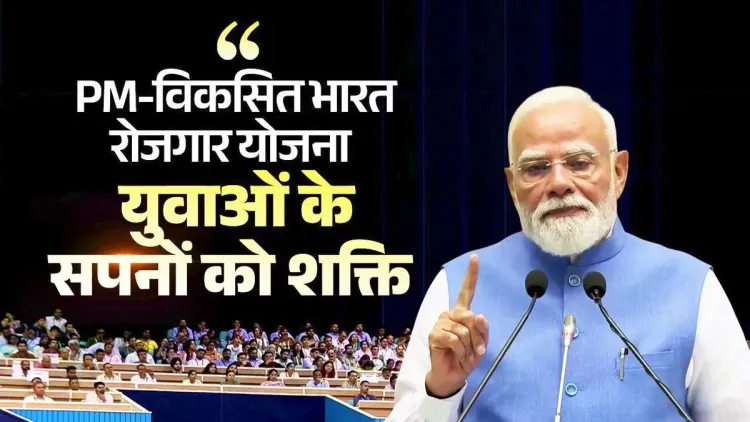
PM Modi on June 19, 2026 publicly backed the Prime Minister Viksit Bharat Rozgar Yojana via a Hindi post on X, accompanied by a video.
The scheme targets first-time jobseekers , incentivising industries to hire young Indians by signalling full government support behind each hire.
Modi said the scheme changes employers' 'perspective' — reducing hesitancy around onboarding inexperienced youth into formal roles.
The initiative is part of the Viksit Bharat 2047 agenda, which positions formal youth employment as central to India 's development goals.
The scheme follows earlier employer-incentive programmes including the Pradhan Mantri Rojgar Protsahan Yojana (2016) and the Skill India Mission (2015) .
Parliamentary scrutiny of scheme funding and quarterly Periodic Labour Force Survey data will be key near-term indicators of impact.
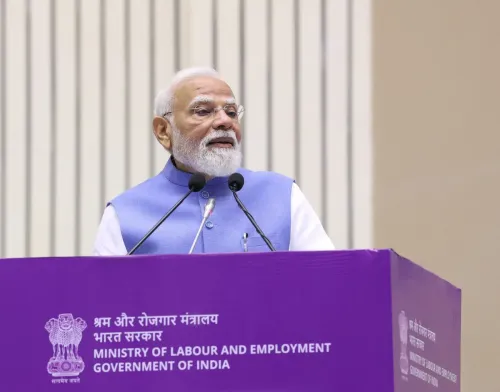
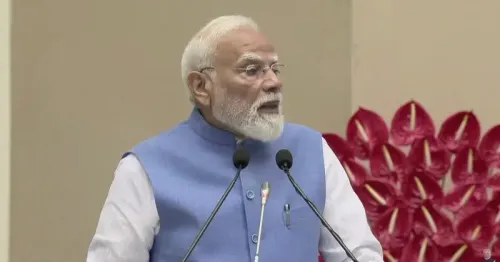
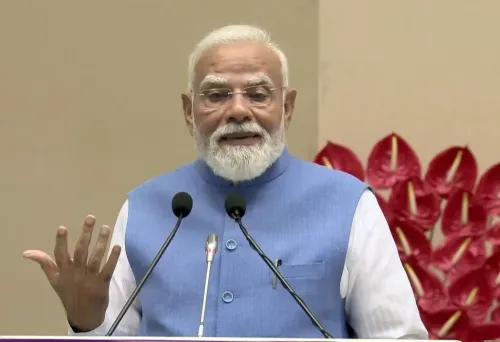
Prime Minister Narendra Modi on Friday, June 19, 2026, highlighted the Prime Minister Viksit Bharat Rozgar Yojana, stating that industries offering first jobs to young people feel the full weight of the government standing behind them — and that this changes their outlook on hiring youth altogether.
Posting in Hindi, Modi said: 'Prime Minister Viksit Bharat Rozgar Yojana se hamare yuva sathiyon ko pehli naukri dene wale udyogon ko bhi lagta hai ki yuvaon ke peeche poori sarkar khadi hai.' ('Through the Prime Minister Viksit Bharat Rozgar Yojana, the industries that give our young friends their first job also feel that the entire government stands behind the youth. This changes their perspective too.')
Context
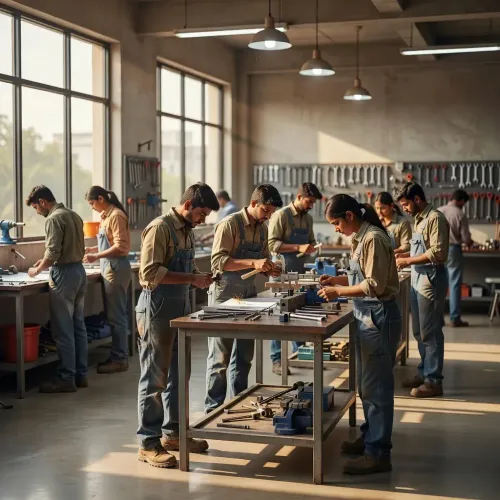
The Prime Minister Viksit Bharat Rozgar Yojana is designed to incentivise private employers to bring young, first-time jobseekers into the formal workforce. By signalling government backing, the scheme aims to reduce the perceived risk for employers who might otherwise hesitate to hire inexperienced candidates. The post was accompanied by a video, suggesting the communication is part of a broader outreach push.
The scheme is linked to the government's overarching Viksit Bharat vision — a roadmap for transforming India into a developed nation by 2047. Employment generation, particularly for first-time entrants, has been positioned as a cornerstone of that ambition.
Policy Backdrop
The current scheme fits within a lineage of employer-incentive programmes that successive BJP-led governments have pursued since 2014. The Pradhan Mantri Rojgar Protsahan Yojana, launched in 2016, reimbursed employers' contributions to the Employees' Provident Fund (EPF) for every new hire, directly lowering the cost of formalising workers. The Skill India Mission, announced in 2015, sought to train millions of young Indians in industry-relevant skills to improve their employability.
Together, these initiatives reflect a supply-side philosophy: make hiring youth cheaper and less risky for employers, so that formal job creation accelerates. The Viksit Bharat Rozgar Yojana extends that logic by adding an explicit 'government as guarantor' framing to employer confidence.
Stakeholders and Impact
The scheme's two primary stakeholders are young first-time jobseekers and private sector employers, particularly small and medium enterprises that tend to be most risk-averse when hiring inexperienced workers. For youth, formal employment brings access to social security, structured wages, and career progression. For employers, the government's backing — whether through wage subsidies, EPF support, or other incentives — can tip the decision in favour of onboarding fresh talent.
The broader economy also stands to benefit: higher formal employment rates reduce the pressure on the Periodic Labour Force Survey unemployment figures, which remain a closely watched indicator of the government's economic performance ahead of each budget cycle.
What's Next
Attention will now turn to the next parliamentary budget session, where funding allocations for the Viksit Bharat Rozgar Yojana are expected to come under scrutiny. Quarterly employment data releases will serve as an early benchmark for whether the scheme is moving the needle on formal youth hiring. The government's ability to demonstrate measurable outcomes — jobs created, employers enrolled, sectors covered — will determine how the scheme is received by opposition benches and independent economists alike.
Point of View
Not just youth, that the state has skin in the game. This 'government as guarantor' messaging is a refinement of the EPF-subsidy model used since 2016, now elevated to a named flagship under the Viksit Bharat brand. The communication strategy — Hindi post, video attachment, prime-time Friday slot — suggests this is targeted at regional business audiences and vernacular media ecosystems. Whether the scheme delivers measurable formal job creation, or remains a messaging exercise, will be tested against the next round of labour force data.
NationPress
24 Sept 2026
Frequently Asked Questions
What is the Prime Minister Viksit Bharat Rozgar Yojana?
The Prime Minister Viksit Bharat Rozgar Yojana is a government scheme designed to incentivise private industries to hire young Indians in their first formal jobs, with the government signalling full backing to reduce employer risk. It is part of the broader Viksit Bharat 2047 development vision.
What did PM Modi say about the Viksit Bharat Rozgar Yojana?
PM Modi said that through the scheme, industries offering first jobs to youth feel the entire government stands behind them, and that this changes their outlook on hiring young people.
How does the Viksit Bharat Rozgar Yojana help youth get jobs?
The scheme targets first-time jobseekers by making it more attractive for employers to hire them, reducing hesitancy through government support mechanisms such as incentives or subsidies for new formal hires.
What earlier schemes does the Viksit Bharat Rozgar Yojana build on?
It follows the Pradhan Mantri Rojgar Protsahan Yojana launched in 2016, which reimbursed employers' EPF contributions for new hires, and the Skill India Mission of 2015, which trained youth for industry-relevant roles.
What is Viksit Bharat 2047?
Viksit Bharat 2047 is the Indian government's national vision to transform India into a fully developed nation by the centenary of its independence, with employment generation and economic growth as key pillars.