'We Will Fight': PM Modi's Determination Fuels India's ICJ Struggle in Kulbhushan Jadhav Case
Synopsis
Discover how Prime Minister Narendra Modi's steadfast determination shifted the course of India's battle at the International Court of Justice concerning Kulbhushan Jadhav, amid skepticism and uncertainty.
Key Takeaways
PM Modi's Leadership: His firm stance was crucial in pursuing the case at the ICJ.
International Diplomacy: Early diplomatic support was vital for India's position at the ICJ.
Legal Proceedings: The ICJ's ruling mandated a review of Jadhav's trial and provided consular access.
Controversial Confession: Jadhav's video confession was dismissed by Indian authorities as manipulated.
Geopolitical Tensions: The case reflects ongoing tensions between India and Pakistan.
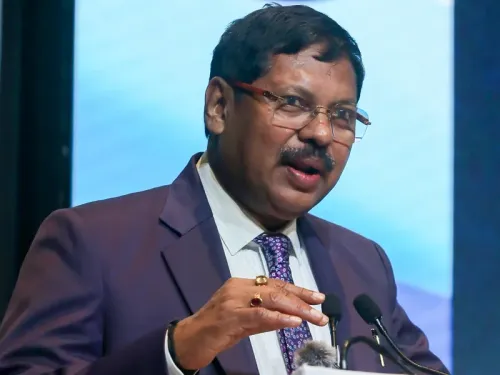
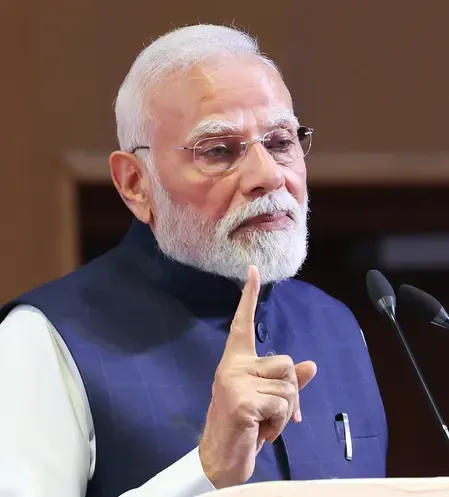
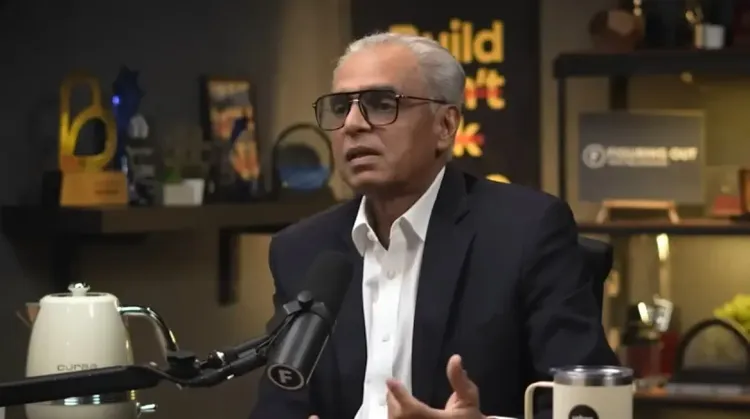
New Delhi, April 3 (NationPress) Syed Akbaruddin, India's former Permanent Representative to the United Nations, reflected on a pivotal moment when uncertainty surrounded India's prospects at the International Court of Justice (ICJ). However, a decisive choice by Prime Minister Narendra Modi shifted the narrative.
During a discussion on Indian podcaster Raj Shamani's YouTube channel, Akbaruddin shared valuable perspectives on India's legal struggle regarding Kulbhushan Jadhav. He noted that, despite the prevalent skepticism, the Prime Minister made a resolute decision to address the issue at the ICJ.
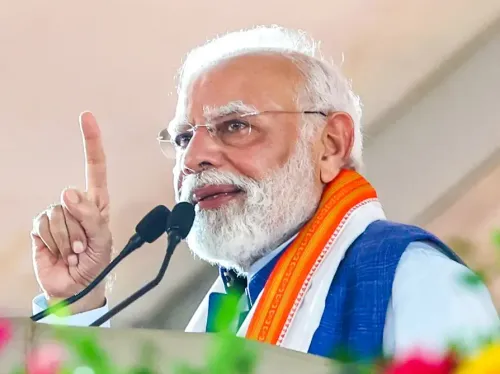
"This was the situation concerning Kulbhushan Jadhav. We decided to take it to the ICJ because we identified a minor opportunity to halt his execution. We made the choice to contest, albeit a bit late. I was among those who doubted our chances. However, the PM insisted, 'I understand your concerns, but the decision is made. When the Prime Minister of India states that a decision is made, I am here to execute it,'" he recounted.
Akbaruddin further emphasized how diplomatic support began to accumulate even before India's official announcement at the ICJ.
"The first vote we received was prior to our formal declaration. I believe the PM had a meeting with the President of Uzbekistan. The Uzbek Ambassador urgently requested to meet me and said, 'I am going to support you, even though I haven't announced my candidate.' He presented a letter indicating his vote for India's candidate without any formal announcement. This was encouraging, as it illustrated that discussions between our PM and their President had significant implications. It was a serious matter, and we had to move forward, leading to our initial victory," Akbaruddin stated.
Jadhav, an Indian citizen sentenced to death in Pakistan, faced allegations of espionage and subversive actions against Pakistan at the behest of India's intelligence services. India has refuted these claims.
Pakistan asserts that the ex-Indian Navy officer was captured on March 3, 2016, in Balochistan. Conversely, India maintains that he was abducted from Iran, where he was involved in business activities in Chabahar after retiring prematurely from the Navy.
Pakistan postponed the execution following India's appeal to the International Court of Justice on May 18, 2017. The ICJ delivered its verdict on July 17, 2019, denying India's request for Jadhav's release while instructing Pakistan to suspend the execution.
The ICJ mandated that Pakistan review the entire trial and conviction process for Jadhav and grant India consular access.
Subsequent to the ruling, Islamabad allowed consular access to Jadhav. On September 2, 2019, Indian Charge d'Affaires Gaurav Ahluwalia met with Jadhav at a Pakistani sub-jail.
Shortly after his arrest, Pakistan released a video purportedly showing Jadhav confessing to being a spy. However, India's Ministry of External Affairs dismissed the video as manipulated and fraudulent.
In this video, Jadhav claimed to have been orchestrating activities in Karachi and Balochistan and asserted his ongoing association with the Indian Navy.
Point of View
The decisive leadership of PM Modi underscored India's commitment to protecting its nationals. The unfolding events at the ICJ reflect wider geopolitical tensions and India's firm stance against perceived injustices.
NationPress
5 Oct 2026
Frequently Asked Questions
What was the main issue concerning Kulbhushan Jadhav?
Kulbhushan Jadhav, an Indian national, was sentenced to death in Pakistan on charges of espionage, which India has vehemently denied.
What role did Prime Minister Modi play in the ICJ case?
PM Modi made a decisive decision to pursue the case at the ICJ, despite initial doubts from others regarding India's chances.
What did the ICJ rule regarding Jadhav's case?
The ICJ ruled that Pakistan must review the trial process of Jadhav and provide India with consular access.
When did India file an appeal in the Jadhav case?
India filed an appeal against the judgment at the ICJ on May 18, 2017.
What was the outcome of the ICJ's verdict on Jadhav's case?
The ICJ rejected India's plea for Jadhav's release but ordered Pakistan to stay his execution and review the trial process.