MP Carves New Identity in Natural Farming: CM Mohan Yadav
Synopsis
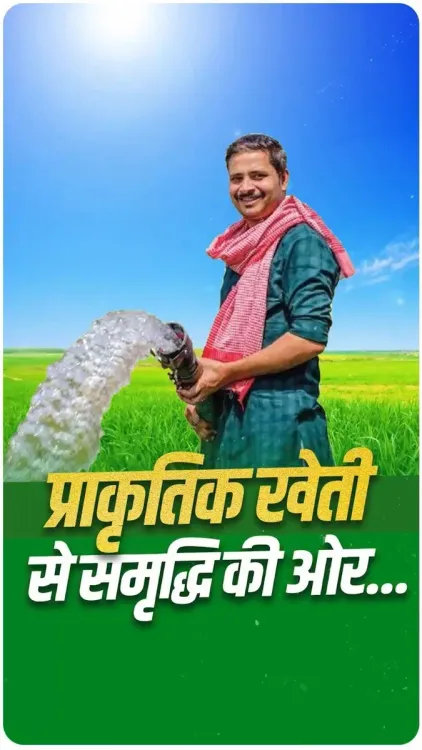
The Chief Minister's Office of Madhya Pradesh on 2 July 2026 declared the state is building a new identity in natural farming, spotlighting CM Dr. Mohan Yadav's push for chemical-free agriculture. The move reflects a broader national shift away from synthetic inputs toward sustainable cultivation.
Key Takeaways
The Chief Minister's Office of Madhya Pradesh posted on 2 July 2026 highlighting the state's emerging leadership in natural farming.
Mohan Yadav , in office since December 2023 , has made agricultural transformation a central policy priority.
Madhya Pradesh is among the larger Indian states to adopt dedicated departmental outreach for natural and chemical-free cultivation.
The Paramparagat Krishi Vikas Yojana , launched nationally in 2015 , laid the policy foundation for organic and natural farming clusters in the state.
Small and marginal farmers stand to benefit most through reduced chemical input costs and improved soil health over time.
Rollout metrics — including cluster numbers, acreage covered, and budget allocations — will be the key indicators of real progress.
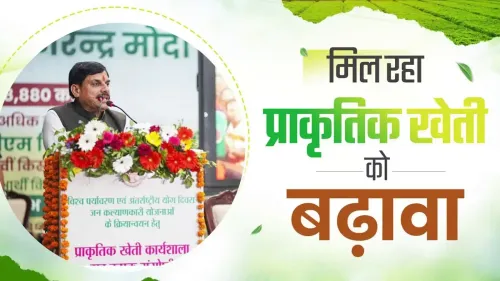
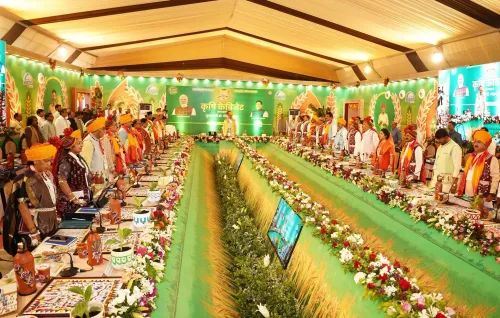
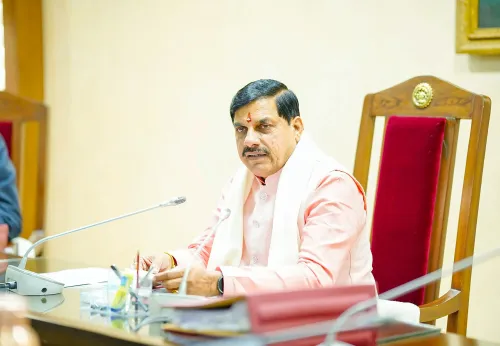
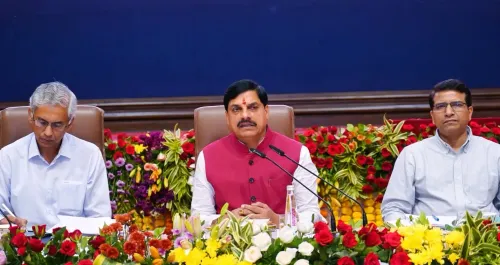
The Chief Minister's Office of Madhya Pradesh on Thursday, 2 July 2026 posted on X highlighting the state's growing stature in natural farming, tagging Chief Minister Dr. Mohan Yadav and the state agriculture ministry in a message that declared 'Madhya Pradesh' is forging a new identity in natural farming.
Context
The post, shared from the official @CMMadhyaPradesh handle, stated: 'Madhya Pradesh is carving a new identity in natural farming.' The brief but pointed message signals that the state government is actively positioning Madhya Pradesh as a leader in chemical-free, sustainable agriculture among India's larger farm states.
Chief Minister Dr. Mohan Yadav, who assumed office in December 2023, has placed agricultural transformation and rural development at the centre of his administration's agenda. Natural farming — which avoids synthetic pesticides and fertilisers in favour of locally sourced, bio-based inputs — has become a key pillar of that messaging.
Policy Backdrop
India's push toward natural and organic cultivation has roots in the Paramparagat Krishi Vikas Yojana (PKVY), a central scheme launched in 2015 to support organic farming clusters and certification across states, including Madhya Pradesh. The scheme provided financial assistance to farmer groups to transition away from chemical inputs and build market linkages for organic produce.
Madhya Pradesh, with one of the country's largest agricultural bases, has been an early mover among bigger states in adopting dedicated departmental outreach for natural farming. The Department of Agriculture, Madhya Pradesh has channelled awareness campaigns and input support toward small and marginal farmers looking to reduce their dependence on costly chemical inputs.
Several Indian states have piloted similar programmes to lower input costs, improve long-term soil health, and meet national sustainability targets. The competitive positioning among states has intensified as the central government continues to encourage a shift away from chemical-intensive cultivation.
Stakeholders and Impact
The primary beneficiaries of Madhya Pradesh's natural farming push are small and marginal farmers, who bear a disproportionate burden of rising chemical input costs. A transition to natural methods — using cow-dung-based preparations, green manure, and crop rotation — can substantially reduce per-acre expenditure over time.
The state's agriculture department is the key implementing body, responsible for cluster formation, training, certification support, and connecting farmers to premium markets for chemical-free produce. Sustained departmental engagement is considered critical to moving natural farming from a messaging priority to a measurable ground-level outcome.
What's Next
Observers will watch for concrete rollout metrics: the number of natural farming clusters operationalised, the acreage brought under chemical-free cultivation, and any dedicated budget line in the state's next agriculture policy statement. The government's ability to back its identity-building messaging with verifiable on-ground progress will determine whether Madhya Pradesh consolidates its claimed leadership position in this space.
As more states compete to attract farmer interest in sustainable practices and central scheme funds, Madhya Pradesh's next policy moves — including potential expansion of cluster programmes and market linkage initiatives — will be closely tracked by both farmers and policymakers across the country.
Point of View
Top-down messaging rather than a routine departmental update. For CM Dr. Mohan Yadav, who is still consolidating his administrative identity, agriculture-led optics offer a relatively uncontested terrain to build a distinct policy signature. The real test, however, will come when the government is pressed to translate this positioning into auditable outcomes — cluster counts, certified acreage, and income data for participating farmers.
NationPress
2 Jul 2026
Frequently Asked Questions
What is natural farming and how is Madhya Pradesh promoting it?
Natural farming avoids synthetic pesticides and fertilisers, relying instead on bio-based inputs such as cow-dung preparations and green manure. Madhya Pradesh is promoting it through the state agriculture department via farmer cluster programmes, training, and awareness campaigns aligned with central schemes like the Paramparagat Krishi Vikas Yojana.
What did the Chief Minister's Office of Madhya Pradesh post on 2 July 2026?
The official @CMMadhyaPradesh handle posted that Madhya Pradesh is 'carving a new identity in natural farming,' tagging Chief Minister Dr. Mohan Yadav and the state's agriculture ministry.
Who is Dr. Mohan Yadav and what is his role in MP's agriculture policy?
Dr. Mohan Yadav is the Chief Minister of Madhya Pradesh since December 2023. He has placed agricultural transformation, including the promotion of natural and chemical-free farming, at the centre of his administration's policy agenda.
What is the Paramparagat Krishi Vikas Yojana and does it apply to Madhya Pradesh?
The Paramparagat Krishi Vikas Yojana is a central government scheme launched in 2015 to support organic farming clusters, certification, and market linkages. Madhya Pradesh is among the states covered under this scheme, providing a policy and funding foundation for its natural farming push.
Which farmers benefit most from Madhya Pradesh's natural farming programmes?
Small and marginal farmers benefit most, as natural farming significantly reduces expenditure on synthetic chemical inputs. Over time, soil health improvements can also increase productivity and open access to premium markets for chemical-free produce.