MP CM Highlights PKC Link Project for Irrigation Boost
Synopsis
The Chief Minister's Office of Madhya Pradesh highlighted the Parvati-Kalisindh-Chambal Link Project on 18 July 2026, framing the inter-basin water transfer scheme as a driver of expanded irrigation and higher agricultural production across the state.
Key Takeaways
The Chief Minister's Office of Madhya Pradesh spotlighted the Parvati-Kalisindh-Chambal (PKC) Link Project on 18 July 2026 .
The project proposes transferring surplus flows from the Parvati and Kalisindh rivers into the Chambal river system to expand irrigation command areas.
The PKC link was first identified under India's National Perspective Plan for river interlinking prepared in the 1980s by the National Water Development Agency .
The Chambal basin spans both Madhya Pradesh and Rajasthan , making inter-state coordination essential for implementation.
Key next steps include updated Detailed Project Reports , environmental clearances for the ecologically sensitive Chambal region, and budget allocations.
Primary beneficiaries would be farmers in Madhya Pradesh , with potential gains in irrigation coverage and agricultural output.
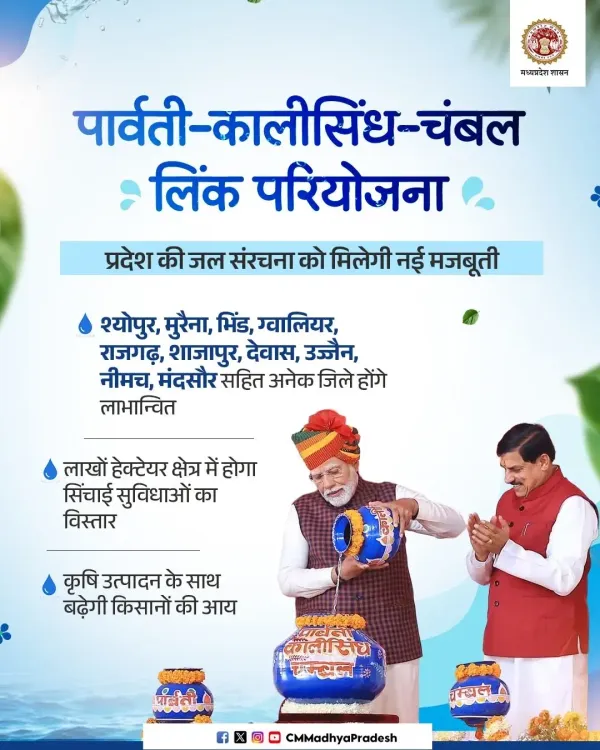
The Chief Minister's Office of Madhya Pradesh on Saturday, 18 July 2026, highlighted the Parvati-Kalisindh-Chambal (PKC) Link Project as a key driver of agricultural expansion in the state, framing the inter-basin water transfer scheme as central to widening irrigation coverage and raising farm output.
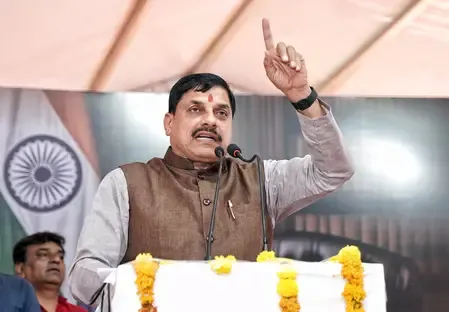
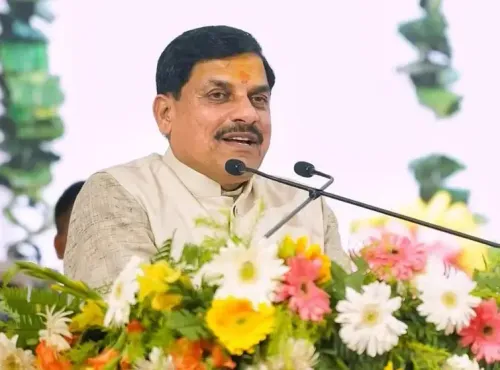
The post, shared from the official handle of the Chief Minister's Office and tagging Chief Minister Dr. Mohan Yadav, declared: 'Jal ki har dhara, vikas ki bhaagidaar' ('Every stream of water is a partner in development'), positioning the PKC project as an instrument of rural and agricultural progress.
Context
The Parvati-Kalisindh-Chambal Link Project is a proposed inter-basin water transfer scheme designed to redirect surplus monsoon flows from the Parvati and Kalisindh rivers into the Chambal river system. The objective is to expand the command area under irrigation and reduce the dependence of central Indian farmers on erratic rainfall. The Chambal basin spans both Madhya Pradesh and Rajasthan, making the project a significant inter-state undertaking.Policy Backdrop
The PKC link is not a new concept. It was identified under the National Perspective Plan for river interlinking, prepared in the 1980s and subsequently advanced by the National Water Development Agency (NWDA). The plan listed the PKC link among several peninsular and Himalayan river-linking components intended to address the spatial and temporal mismatch in water availability across India. Successive central and state governments have periodically revived interest in such inter-basin transfer proposals as a structural solution to irrigation deficits in central India. The approach aligns with a long-standing national strategy of capturing surplus monsoon runoff in one sub-basin and channelling it to water-stressed command areas in another. Implementation of such projects typically requires updated Detailed Project Reports (DPRs), environmental and wildlife clearances — particularly significant given the ecologically sensitive Chambal region — and coordination between state water-resource departments and central agencies for funding approvals.Stakeholders and Impact
The primary beneficiaries of the PKC Link Project, if implemented, would be farmers across Madhya Pradesh, particularly those in districts dependent on the Chambal river system. Expanded irrigation infrastructure would reduce crop vulnerability to monsoon variability, potentially enabling farmers to shift toward higher-value or double-cropped agriculture, thereby raising overall agricultural production in the state. Chief Minister Dr. Mohan Yadav, who has held office since December 2023, has been associated with water-resource and irrigation initiatives as part of the state's broader infrastructure agenda. The tagging of the state's Public Works and Water Resources Department in the post signals active departmental engagement with the project.What's Next
Key milestones to watch include the finalisation of an updated Detailed Project Report, progress on environmental and wildlife clearances for the Chambal corridor, and whether the project receives a dedicated allocation in forthcoming state or union budgets. Inter-state coordination with Rajasthan will also be a critical factor, given the Chambal basin's shared geography. The government's public communication around the project suggests it is being positioned as a flagship infrastructure commitment ahead of further policy announcements.Point of View
And spotlighting a scheme rooted in 1980s planning suggests the state is seeking to project momentum on a long-pending agenda. The framing of water as a 'partner in development' is a deliberate attempt to connect infrastructure investment with agrarian welfare, a politically resonant message in a state where farming communities remain a decisive electoral constituency. Whether this communication precedes a concrete financial or administrative announcement will be the real test of intent.
NationPress
18 Jul 2026
Frequently Asked Questions
What is the Parvati-Kalisindh-Chambal PKC Link Project?
The Parvati-Kalisindh-Chambal (PKC) Link Project is a proposed inter-basin water transfer scheme in Madhya Pradesh that aims to redirect surplus monsoon flows from the Parvati and Kalisindh rivers into the Chambal river system to expand irrigation and support agricultural production.
Which states are involved in the PKC river link project?
The PKC Link Project primarily concerns Madhya Pradesh, but because the Chambal basin extends into Rajasthan, inter-state coordination between the two states is a key requirement for the project's implementation.
Who is the Chief Minister of Madhya Pradesh in 2026?
Dr. Mohan Yadav is the Chief Minister of Madhya Pradesh. He assumed office in December 2023 and has been associated with the state's water-resource and irrigation development agenda.
What is the National Perspective Plan for river interlinking in India?
The National Perspective Plan is a framework prepared in the 1980s by the National Water Development Agency that identified a series of inter-basin river transfer links — including the PKC link — to address water imbalances across India by moving surplus monsoon flows to water-deficit regions.
What are the next steps for the PKC Link Project?
Key next steps include finalising an updated Detailed Project Report, obtaining environmental and wildlife clearances for the ecologically sensitive Chambal corridor, securing inter-state agreement with Rajasthan, and receiving dedicated budget allocations from the state or central government.