MP CM Mohan Yadav announces UCC implementation in state
Synopsis
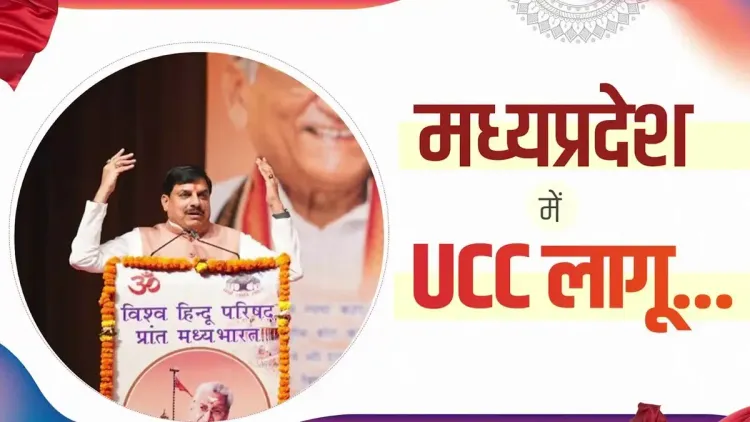
Madhya Pradesh CM Dr. Mohan Yadav has announced implementation of the Uniform Civil Code in the state, crediting PM Modi's leadership and citing residents' suggestions. MP becomes the latest BJP-governed state to act on a decades-old constitutional directive, following Uttarakhand's landmark 2024 UCC law.
Key Takeaways
Madhya Pradesh CM Dr.
Mohan Yadav announced implementation of the Uniform Civil Code (UCC) on 27 September 2026 .
The move is attributed to PM Narendra Modi 's leadership and framed as citizen-driven, based on suggestions from state residents.
Article 44 of the Indian Constitution (1950) directs states to endeavour for a UCC covering marriage, divorce, inheritance and adoption for all citizens.
Uttarakhand was the first Indian state to enact and begin implementing a UCC law in 2024 , providing a legislative precedent.
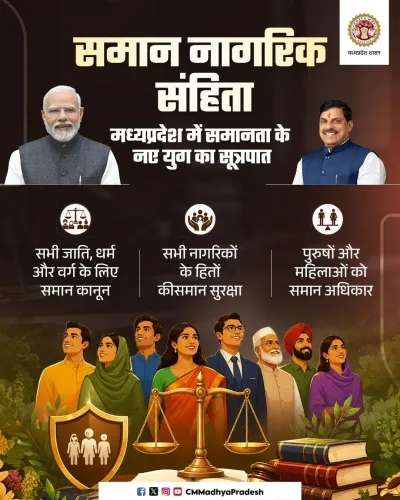
UCC replaces religion-specific personal laws with a single civil framework applicable irrespective of religious community.
Specific legislative details — bill text, implementing rules, and judicial proceedings — are yet to be publicly documented and verified.
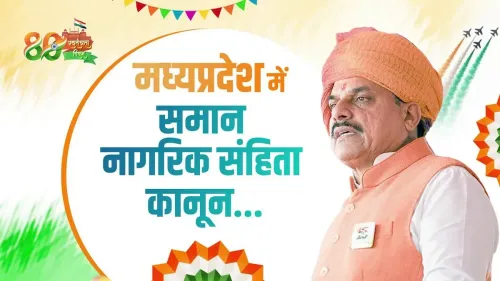
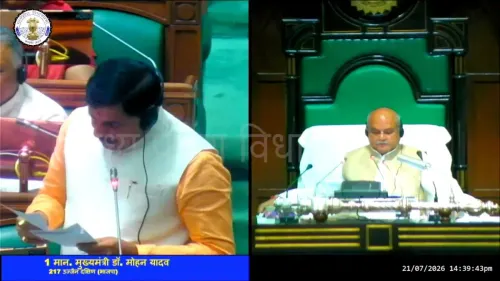
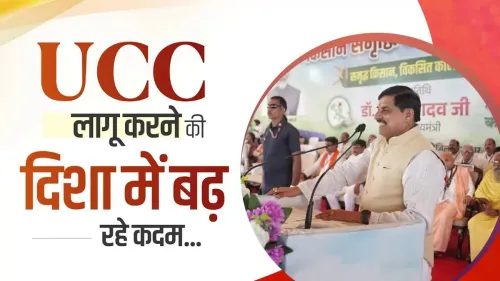
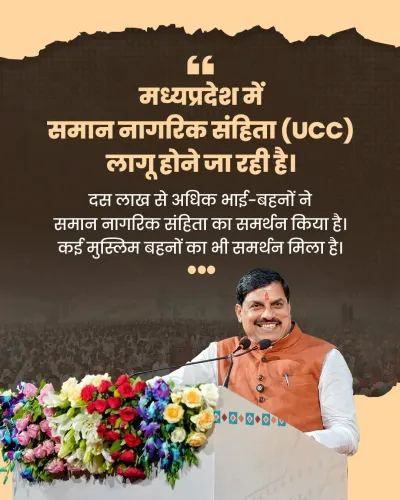
Madhya Pradesh has taken one of the most consequential steps in its legislative history, with Chief Minister Dr. Mohan Yadav announcing the implementation of the Uniform Civil Code (UCC) in the state — crediting the move to the leadership of Prime Minister Narendra Modi and framing it as a direct response to suggestions from the people of Madhya Pradesh.
The Chief Minister's Office posted on X on Sunday, 27 September 2026, quoting CM Yadav: 'प्रदेशवासियों के सुझावों के आधार पर UCC को लागू किया गया' ('UCC has been implemented on the basis of suggestions from the people of the state'). The framing is deliberate — it positions the rollout not as a top-down political imposition, but as a citizen-driven reform.
What Madhya Pradesh's UCC move means for personal law
The Uniform Civil Code is enshrined as a directive principle under Article 44 of the Indian Constitution (1950), which calls upon the State to endeavour to secure for citizens a common civil code covering marriage, divorce, inheritance, and adoption — irrespective of religion. For over seven decades, that directive remained aspirational. Uttarakhand broke the deadlock in 2024, becoming the first Indian state to formally enact and begin implementing a UCC law.
Madhya Pradesh now follows that trail — a significant moment for a large, demographically diverse state. If implemented as announced, it would bring residents of all religious communities under a single framework of civil rights, replacing the patchwork of religion-specific personal laws that currently govern life events from marriage to inheritance.
The BJP's long-running UCC commitment takes state-level shape
The announcement is squarely in line with the BJP's longstanding manifesto commitments, which have included UCC as a core ideological plank for decades. With Uttarakhand's 2024 law providing a legislative template and political cover, BJP-governed states have been under internal pressure to follow. Madhya Pradesh — one of the party's most stable electoral strongholds — now moves from intent to action.
CM Yadav's explicit attribution to PM Modi's leadership is also politically textured: it ties the state's move into the national BJP narrative ahead of any future electoral cycles, signalling unity of purpose between Bhopal and New Delhi.
What residents and courts will watch next
The critical questions now are legislative detail and legal durability. Whether Madhya Pradesh has passed a standalone UCC bill, adopted a model law, or is implementing it through executive orders remains to be formally documented. Civil society groups, minority religious organisations, and legal scholars will scrutinise the final draft for provisions on marriage age, divorce rights, and inheritance — the fault lines where personal law reform has historically sparked the sharpest debate.
The courts, too, will have a word. Challenges to Uttarakhand's UCC law have already wound their way through judicial proceedings, and any MP legislation is likely to face similar constitutional scrutiny.
Madhya Pradesh has planted a flag. Whether UCC can survive the journey from announcement to courtroom to everyday life for millions of residents is the story that begins now.
Point of View
Rolling UCC out through state governments serves a dual purpose: it operationalises a decades-old manifesto promise without waiting for national consensus, and it generates electoral capital by signalling ideological delivery. The 'citizen suggestions' framing is significant — it is designed to blunt accusations that the reform is politically imposed, grounding it instead in participatory legitimacy. The real test of durability, however, will come in the drafting details and the courts, where the constitutional balance between uniform rights and religious freedom is certain to be contested.
NationPress
28 Sept 2026
Frequently Asked Questions
What is the Uniform Civil Code (UCC) in India?
The Uniform Civil Code is a proposed single set of civil laws — covering marriage, divorce, inheritance and adoption — that would apply to all Indian citizens irrespective of their religion, replacing the existing patchwork of religion-specific personal laws. It is a directive principle under Article 44 of the Indian Constitution.
Has Madhya Pradesh passed a UCC law?
CM Dr. Mohan Yadav announced on 27 September 2026 that UCC has been implemented in Madhya Pradesh. The detailed legislative text, rules and implementation mechanism are yet to be publicly documented and verified.
Which was the first Indian state to implement UCC?
Uttarakhand became the first Indian state to formally enact and begin implementing a Uniform Civil Code law in 2024, providing a legal template for other BJP-governed states.
What changes will UCC bring for residents of Madhya Pradesh?
If fully implemented, UCC would bring all residents — regardless of religious affiliation — under a single legal framework for civil matters such as marriage, divorce, inheritance and adoption, replacing the existing religion-based personal laws.
Why is UCC controversial in India?
UCC is controversial because it would replace personal laws rooted in religious tradition for Hindus, Muslims, Christians and other communities. Critics argue it threatens minority religious autonomy; supporters contend it advances gender justice and equal citizenship. Legal challenges on constitutional grounds are common whenever states attempt implementation.