MP CM Mohan Yadav Bets on River Links to Power Fisheries
Synopsis
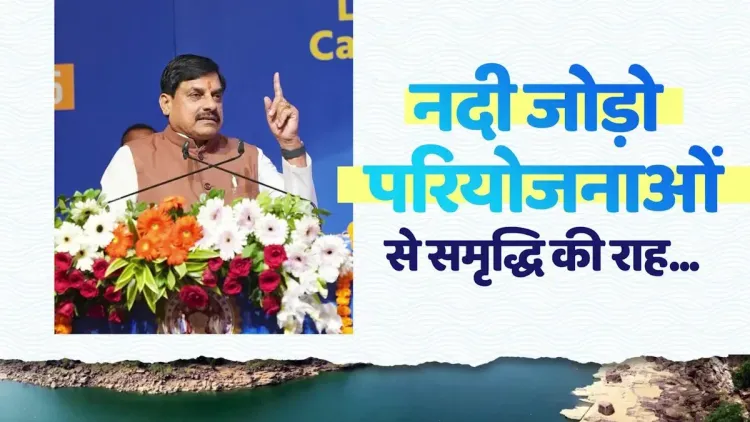
At Fisheries Conclave 2026, Madhya Pradesh CM Dr. Mohan Yadav highlighted how the Ken-Betwa and Parvati-Kalisindh-Chambal river-link projects will expand irrigation and open new opportunities for the state's fisheries sector alongside farmer prosperity.
Key Takeaways
Mohan Yadav spoke at Fisheries Conclave 2026 on October 23, 2026 , linking river infrastructure to fisheries growth.
The Ken-Betwa Link Project , under India's National River Linking framework, received Union Cabinet clearance in 2021 and targets the Bundelkhand plateau.
The Parvati-Kalisindh-Chambal Link Project aims at water conservation across the Chambal basin and its tributaries in MP.
CM Yadav explicitly connected expanded water bodies from irrigation projects to new opportunities in freshwater fisheries and aquaculture .
Farmers and fishing communities in water-stressed districts of MP are the primary intended beneficiaries of both projects.
Ken-Betwa is currently the most advanced river-interlinking project in India, making MP a national test case for the model.
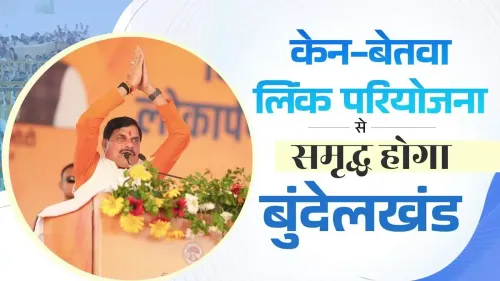
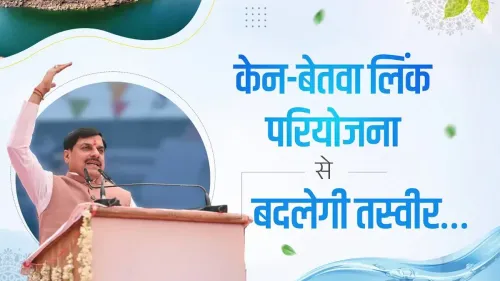
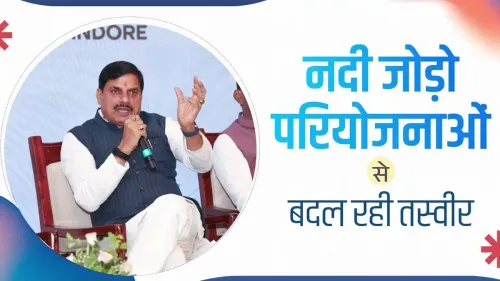
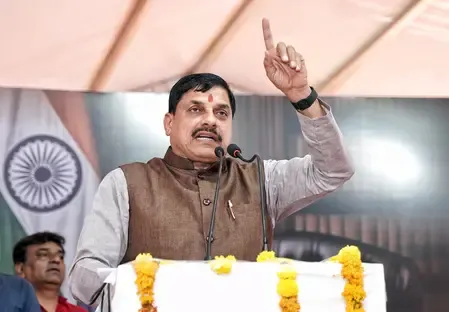
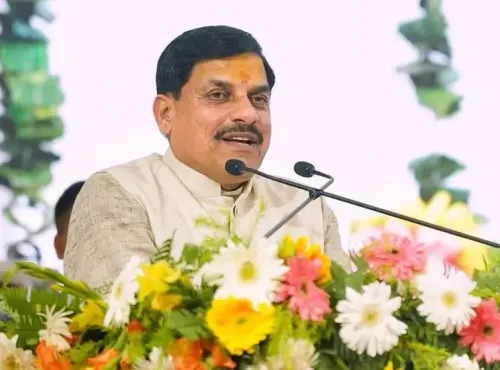
Two ambitious river-interlinking projects are reshaping the water map of Madhya Pradesh — and Chief Minister Dr. Mohan Yadav says their reach will stretch well beyond the farm field, opening a new chapter for the state's fisheries sector. Speaking at #FisheriesConclave2026 on Friday, October 23, 2026, CM Yadav tied the state's irrigation expansion directly to rural prosperity, signalling that water infrastructure is now being designed with allied livelihoods in mind from the ground up.
Two projects, one shared promise for rural MP
The Ken-Betwa Link Project is the older and better-credentialled of the two. It sits under India's National River Linking Project framework, received in-principle approval in the early 2000s, and won Union Cabinet clearance in 2021 — a milestone that unlocked serious federal funding and inter-state coordination with Uttar Pradesh, which shares the Betwa basin. The core idea is straightforward: transfer surplus water from the Ken river to the water-scarce Betwa basin, irrigating large swathes of the Bundelkhand plateau that have historically lurched between drought and distress.
The Parvati-Kalisindh-Chambal Link Project complements it from the south and west, targeting water conservation across the Chambal basin and its tributaries — a region rich in river systems but patchy in how their flows reach cultivable land. Unlike Ken-Betwa, the project's formal approvals are still progressing, but its inclusion in CM Yadav's remarks at a fisheries conclave signals that the state government is treating it as an active pipeline item, not a distant aspiration.
Why fisheries landed on a water-infrastructure stage
CM Yadav's post, addressed jointly to the official Madhya Pradesh Fisheries Department account, made the connection explicit: 'matsya palan ke kshetra ko bhi nayi disha milegi' — 'the fisheries sector will also get a new direction.' The logic is hydraulic and economic at once. Reservoirs, canals, and check-dams built for irrigation create standing and flowing water bodies that can double as aquaculture zones. Madhya Pradesh, a landlocked state, has long relied on its rivers and inland water bodies for freshwater fish production, and any sustained increase in water availability directly expands that productive base.
The Fisheries Conclave 2026 provided the platform for this crossover pitch — a deliberate signal that the state is trying to integrate what have historically been siloed departments: irrigation engineers on one side, fisheries extension workers on the other. Tying their futures together at a public conclave is a governance choice as much as a policy one.
Bundelkhand to Chambal: the farmer at the centre
Farmer prosperity was the first claim CM Yadav made, and it carries the heavier political weight. Madhya Pradesh has posted strong agricultural output numbers in recent years, but water insecurity remains a structural vulnerability — particularly in the rain-shadow pockets of Bundelkhand and the semi-arid stretches of the Chambal division. Both interlinking projects target precisely those geographies. If implementation timelines hold, the combined canal network is expected to bring previously unirrigated or single-crop land under assured irrigation, allowing farmers to shift to higher-value, multi-season cultivation.
The fisheries angle adds a second income layer for riparian communities — families settled along the new canal corridors who may not hold large landholdings but can access aquaculture cooperatives or lease water-body rights. It is a model that has worked in other Indian states where irrigation and inland fisheries have been co-planned rather than treated as separate budgetary heads.
Conclave as a convergence moment
That CM Yadav chose a fisheries conclave — not an irrigation summit — to restate the case for both river-link projects is worth noting. It suggests the government is actively marketing water infrastructure to non-traditional audiences: fishing communities, fish traders, aquaculture entrepreneurs. Whether the conclave produces concrete policy announcements — licensing frameworks, subsidy schemes, stocking programmes tied to new reservoirs — will be the real test of whether this convergence is structural or ceremonial.
India's river-interlinking agenda has moved slowly for decades, but Ken-Betwa is now the furthest along of any link project in the country. Madhya Pradesh is betting that finishing it — and advancing Parvati-Kalisindh-Chambal alongside it — can rewrite the economic geography of its most water-stressed districts. For the farmer waiting on an assured second crop, and the fisherman eyeing a new reservoir, the timeline is everything.
Point of View
The government is attempting to broaden the political and economic constituency for what have historically been slow-moving, capital-intensive schemes. The Ken-Betwa project's federal clearance in 2021 gives Madhya Pradesh a rare first-mover advantage in India's river-interlinking agenda, and Yadav is visibly trying to translate that infrastructure lead into rural livelihood optics ahead of any implementation milestones. Whether the Parvati-Kalisindh-Chambal project can achieve similar momentum will be the real measure of whether this convergence policy has institutional depth or is primarily a conclave-season narrative.
NationPress
23 Oct 2026
Frequently Asked Questions
What is the Ken-Betwa Link Project in Madhya Pradesh?
The Ken-Betwa Link Project transfers surplus water from the Ken river to the Betwa basin to provide irrigation and drinking water in water-scarce parts of Madhya Pradesh and Uttar Pradesh. It received Union Cabinet approval in 2021 and is the most advanced river-interlinking project in India.
What is the Parvati-Kalisindh-Chambal Link Project?
The Parvati-Kalisindh-Chambal Link Project is a proposed river-linking scheme in Madhya Pradesh aimed at water conservation and irrigation expansion across the Chambal basin and its tributaries. Its formal approvals are still in progress.
How will river-linking projects benefit fisheries in MP?
Reservoirs, canals, and water bodies created by river-link projects can be used for freshwater aquaculture, expanding the production base for Madhya Pradesh's fisheries sector and providing additional income for riparian communities.
What was announced at Fisheries Conclave 2026 in Madhya Pradesh?
Chief Minister Dr. Mohan Yadav addressed Fisheries Conclave 2026 on October 23, 2026, stating that the Ken-Betwa and Parvati-Kalisindh-Chambal projects will expand irrigation and give the fisheries sector a new direction alongside improving farmer prosperity.
Which districts in MP benefit from the Ken-Betwa project?
The Ken-Betwa Link Project primarily targets the Bundelkhand plateau region of Madhya Pradesh, which includes drought-prone districts that have historically faced water scarcity and single-season cropping limitations.