MP CM Mohan Yadav Pledges 1 Lakh Cage Units to Double Fish Output
Synopsis
Chief Minister Dr. Mohan Yadav announced at the National Fisheries Investors and Exporters Conclave-2026 in Bhopal that Madhya Pradesh will establish 1 lakh cage culture units to double the state's fish production, leveraging its vast inland reservoir network.
Key Takeaways
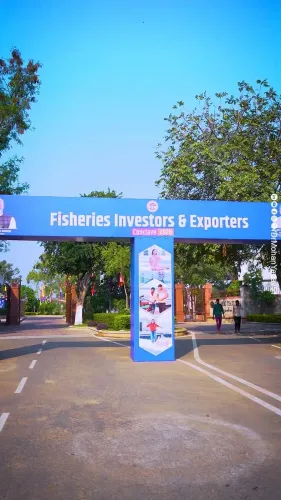
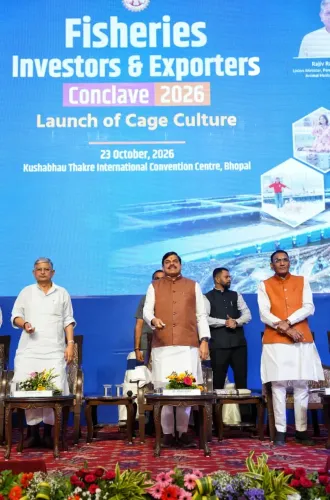
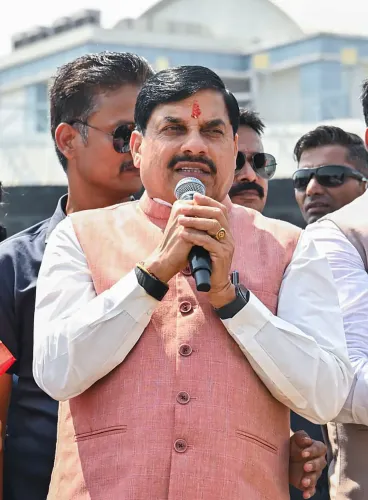
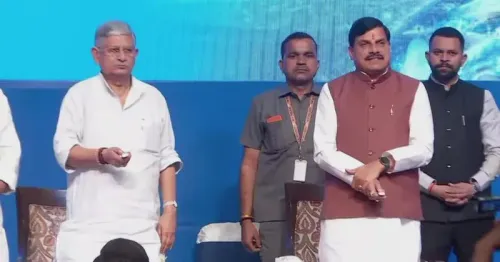
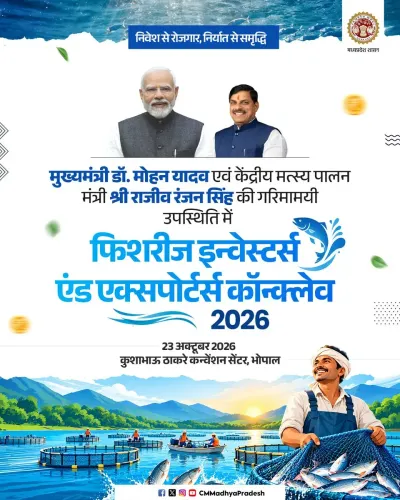
Mohan Yadav addressed the National Fisheries Investors and Exporters Conclave-2026 in Bhopal on 23 October 2026 .
The state government announced a target of 1 lakh cage culture units to be established across Madhya Pradesh's inland water bodies.
The goal is to double fish production in the state, leveraging its extensive reservoir and riverine network.
The conclave was held at Kushabhau Thakre International Convention Centre, Bhopal , drawing investors and exporters from the fisheries sector.
The initiative aligns with the central government's Pradhan Mantri Matsya Sampada Yojana (PMMSY) , which has supported cage culture expansion since 2020 .
Madhya Pradesh is positioned as a focus inland state for India's Blue Revolution goals.
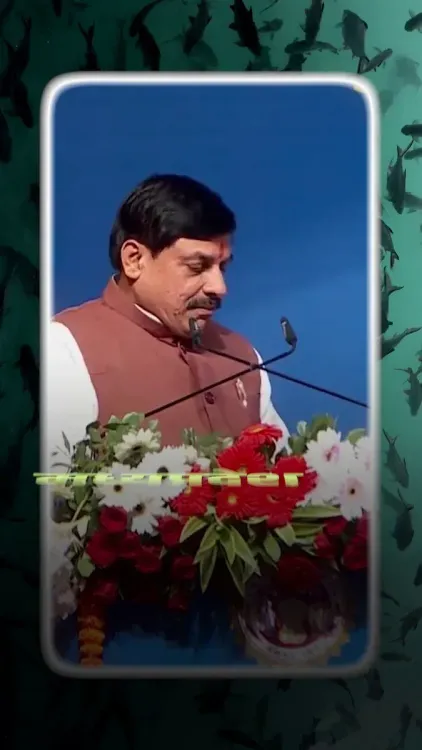
A bold bet on Madhya Pradesh's rivers and reservoirs: Chief Minister Dr. Mohan Yadav told investors and exporters gathered in Bhopal on Friday, 23 October 2026 that the state will build 1 lakh cage culture units — and use them to double fish production across the region.
Addressing participants at the 'National Fisheries Investors and Exporters Conclave-2026' held at the prestigious Kushabhau Thakre International Convention Centre in Bhopal, Dr. Yadav laid out a target that reframes Madhya Pradesh not as a landlocked constraint but as an inland aquaculture powerhouse. '1 lakh cage culture banaye jaenge, doguna karenge matsya utpadan' — 'one lakh cage cultures will be built, fish production will be doubled' — was the headline promise of the day.
What Cage Culture Actually Means for MP's Reservoirs
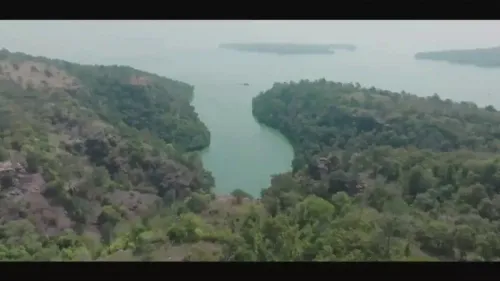
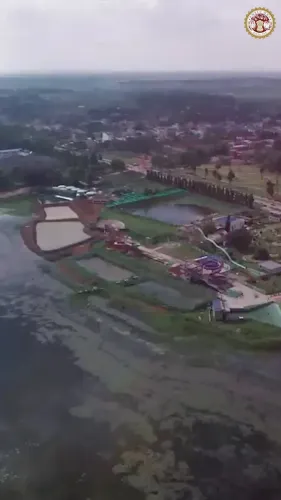
Cage culture is a method of raising fish in floating net enclosures anchored within existing water bodies — reservoirs, rivers, or lakes — without the need to construct dedicated ponds. Madhya Pradesh holds one of India's largest networks of inland reservoirs, making it structurally suited to scale this technology rapidly. Each cage effectively turns idle water surface into productive aquaculture infrastructure.
The model has a direct policy backstop: the Pradhan Mantri Matsya Sampada Yojana (PMMSY), launched by the Government of India in 2020, specifically funds cage culture expansion as part of its push to modernise inland fisheries and hit national production targets under the Blue Revolution framework. States like Madhya Pradesh, with large reservoir footprints, were always going to be central to that national ambition. Today's conclave signals the state is ready to move from eligible to accelerating.
Why an Investors' Conclave — and Why Now
Conclaves of this format are not ceremonial — they are pipeline-building exercises. Fish farmers and aquaculture entrepreneurs need capital, cold-chain logistics, and export linkages that the state alone cannot provide at speed. By convening investors and exporters under one roof, the CM's office is signalling that Madhya Pradesh is open for private capital in the fisheries sector, not just government-led rollout.
India's domestic protein demand is rising steadily, and inland fish — cheaper to produce and distribute than marine catch — sits squarely at the intersection of food security and rural income. Doubling production in a state that is already a focus region under PMMSY would place Madhya Pradesh among the top contributors to national inland fisheries output.
Fish Farmers as the Real Stakeholders
Behind every cage unit is a fish farmer family whose income trajectory depends on whether the infrastructure arrives, whether credit flows, and whether the catch finds a market. Investor conclaves matter precisely because they are where those supply chains get committed on paper before they are built on water. Dr. Yadav's doubling pledge will be judged — ultimately — not by the conclave's attendance but by the state fisheries department's annual production figures in the years ahead.
Madhya Pradesh has positioned itself as a model for landlocked states proving that Blue Economy goals are not the exclusive domain of coastal India. If the 1 lakh cage target is executed, it will be one of the most ambitious single-state inland aquaculture drives in the country's history.
Point of View
Using investor conclaves as a capital-mobilisation tool rather than relying solely on state budgets. The pledge directly rides the central government's PMMSY architecture, suggesting a deliberate alignment strategy to unlock federal co-funding while attracting private supply-chain investment. For a BJP-governed state, demonstrating tangible rural income gains through fisheries ahead of future electoral cycles carries clear political logic alongside genuine economic merit. The real test will be the pace of cage installation and whether export linkages materialise — metrics that will define whether this conclave becomes a landmark or a footnote.
NationPress
23 Oct 2026
Frequently Asked Questions
What is cage culture in fisheries?
Cage culture is a method of raising fish inside floating net enclosures anchored in existing water bodies like reservoirs or rivers, converting idle water surface into productive aquaculture without building dedicated ponds.
What did CM Mohan Yadav announce at the Fisheries Conclave 2026?
Chief Minister Dr. Mohan Yadav announced at the National Fisheries Investors and Exporters Conclave-2026 in Bhopal that Madhya Pradesh will establish 1 lakh cage culture units to double the state's fish production.
What is Pradhan Mantri Matsya Sampada Yojana and how does it relate to this?
Pradhan Mantri Matsya Sampada Yojana (PMMSY) is a central government scheme launched in 2020 to modernise India's fisheries sector, including funding for cage culture infrastructure — the same technology Madhya Pradesh is now scaling up.
Why is Madhya Pradesh suitable for inland cage culture?
Madhya Pradesh holds one of India's largest networks of inland reservoirs and rivers, providing the water surface area required to deploy cage culture units at scale without major new infrastructure investment.
Where was the National Fisheries Investors and Exporters Conclave-2026 held?
The conclave was held at the Kushabhau Thakre International Convention Centre in Bhopal, Madhya Pradesh, on 23 October 2026.