MP CM Office: 42L+ Rural PMAY Homes Built, 9L+ Urban Beneficiaries
Synopsis
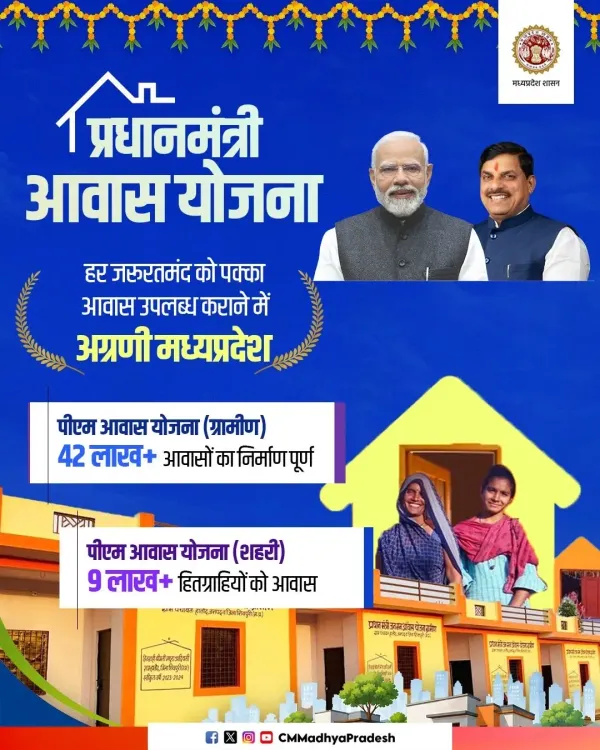
Madhya Pradesh's Chief Minister's Office announced on 2 July 2026 that the state has built over 42 lakh rural houses under PMAY-Gramin and housed more than 9 lakh urban beneficiaries under PMAY-Urban, claiming a leading position in national implementation of the flagship housing scheme.
Key Takeaways
The Chief Minister's Office of Madhya Pradesh announced on 2 July 2026 that the state leads in PMAY implementation.
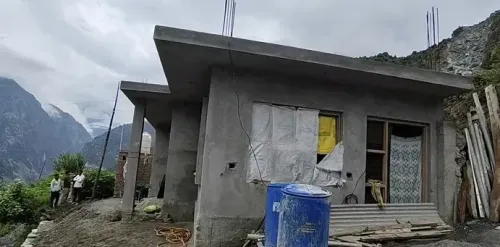
Over 42 lakh houses have been completed under PMAY-Gramin (rural component) in the state.
More than 9 lakh beneficiaries have been provided housing under PMAY-Urban in Madhya Pradesh.
PMAY was launched in June 2015 with a 'Housing for All' mandate; the rural arm was restructured from Indira Awas Yojana in 2016 .
The update tags both central ministries — Ministry of Housing and Urban Affairs and Ministry of Rural Development — reflecting coordinated federal oversight.
The state's next milestone would be a formal saturation declaration, subject to central verification.
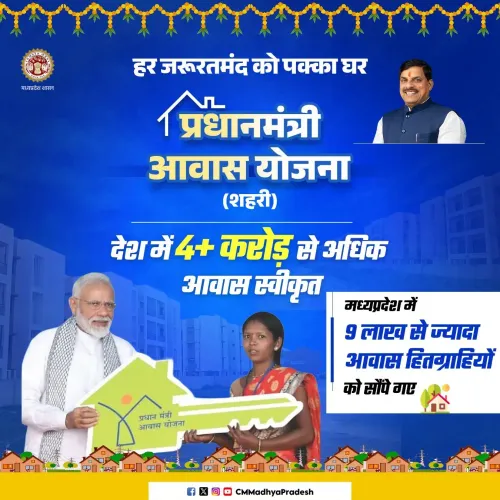
The Chief Minister's Office of Madhya Pradesh announced on Thursday, 2 July 2026, that the state has completed construction of over 42 lakh houses under the Pradhan Mantri Awas Yojana (Gramin) and has provided housing to more than 9 lakh beneficiaries under PMAY (Urban), positioning Madhya Pradesh as a leading state in the scheme's implementation.
Context
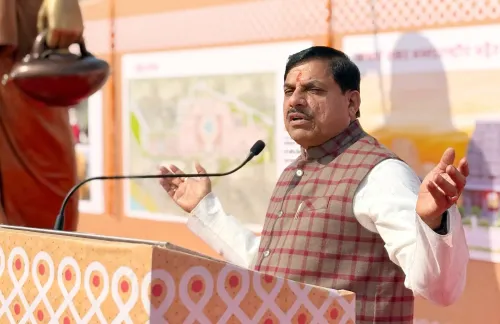
The post, shared from the official @CMMadhyaPradesh handle, states: 'हर जरूरतमंद तक पक्के आवास की सुविधा' ('Pucca housing for every person in need'), and declares that Madhya Pradesh is at the forefront of effective implementation of the Pradhan Mantri Awas Yojana. The update tags Chief Minister Dr. Mohan Yadav, the Ministry of Housing and Urban Affairs, the MP Urban Development Department, and the Ministry of Rural Development, signalling coordination across central and state agencies.
The announcement covers both arms of the flagship scheme: the rural component (PMAY-Gramin) and the urban component (PMAY-Urban), each administered by a separate central ministry.
Policy Backdrop
Pradhan Mantri Awas Yojana was launched in June 2015 with the overarching goal of 'Housing for All.' The rural variant, PMAY-Gramin, was restructured from the earlier Indira Awas Yojana in 2016, bringing in stricter beneficiary identification through the Socio-Economic and Caste Census. The urban component targets slum rehabilitation and affordable housing construction in towns and cities.
After the original 2022 deadline, the scheme received extensions and fresh central budgetary allocations to cover remaining eligible households. States with large rural populations — including Madhya Pradesh — have been central to the programme's national completion targets. The state has frequently featured in official central reviews for high physical completion rates under the rural component.
Stakeholder Impact
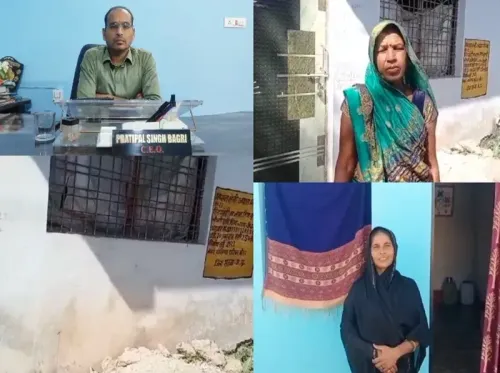
The combined figures — 42 lakh+ rural homes completed and 9 lakh+ urban beneficiaries housed — represent a significant share of the state's low-income and homeless population. Rural households gaining permanent, pucca structures benefit from improved shelter, sanitation linkages (given convergence with the Swachh Bharat Mission), and greater asset security.
Urban beneficiaries under PMAY-Urban include economically weaker sections and low-income groups who receive either in-situ slum redevelopment, credit-linked subsidies, or affordable housing in partnership with private developers. The Ministry of Housing and Urban Affairs and the Ministry of Rural Development both play oversight roles in fund release and quality certification.
What's Next
Attention will now turn to whether Madhya Pradesh declares full saturation — meaning all identified eligible households have received homes — under either component of PMAY. Any such declaration would require central verification and could influence the state's allocation under future phases of the scheme.
Nationally, the Union Budget and subsequent central scheme reviews are the key moments when additional targets or funding tranches for PMAY are announced. The state government's proactive communication around these figures suggests it is positioning Madhya Pradesh favourably ahead of such reviews.
Point of View
Making such announcements as much about fiscal strategy as welfare communication. The tagging of both central ministries signals the state government's interest in federal credit-sharing — a common dynamic in large direct-benefit programmes where both Delhi and state capitals compete for political visibility. Whether these figures are independently verified and what proportion of the remaining eligible households are yet to be covered will be the sharper questions for any policy audit.
NationPress
2 Jul 2026
Frequently Asked Questions
How many PMAY houses has Madhya Pradesh built?
According to the Chief Minister's Office of Madhya Pradesh, the state has completed construction of over 42 lakh houses under PMAY-Gramin and provided housing to more than 9 lakh beneficiaries under PMAY-Urban as of July 2026.
What is Pradhan Mantri Awas Yojana?
Pradhan Mantri Awas Yojana (PMAY) is a flagship central government scheme launched in June 2015 aimed at providing pucca (permanent) housing to all eligible households. It has two components: PMAY-Gramin for rural areas and PMAY-Urban for towns and cities.
What is PMAY-Gramin and how is it different from PMAY-Urban?
PMAY-Gramin is administered by the Ministry of Rural Development and targets rural households without permanent shelter; it was restructured from the earlier Indira Awas Yojana in 2016. PMAY-Urban is managed by the Ministry of Housing and Urban Affairs and covers slum rehabilitation, credit-linked subsidies, and affordable housing for urban poor families.
Is Madhya Pradesh a top state in PMAY implementation?
The Chief Minister's Office of Madhya Pradesh has claimed the state is 'at the forefront' of PMAY implementation. The state has been noted in official central reviews for high physical completion rates, particularly under the rural component.
What happens after PMAY construction targets are met?
Once a state meets its targets, it can seek a formal saturation declaration from the central government, which requires independent verification. Completion rates also influence the state's allocation in future phases of the scheme and related central budgetary decisions.