MP CMO Brands State as 'Cheetah State' Wildlife Hub
Synopsis
The Madhya Pradesh Chief Minister's Office has branded the state a 'Cheetah State,' building on Project Cheetah's reintroduction of African cheetahs at Kuno National Park since 2022 and reinforcing MP's identity as India's premier wildlife conservation hub.
Key Takeaways
The Madhya Pradesh CMO officially branded the state a 'Cheetah State' on 23 May 2026 .
Project Cheetah began in September 2022 with the release of eight Namibian cheetahs at Kuno National Park .
Cheetahs had been extinct in India since 1952 before the reintroduction programme.
Madhya Pradesh already hosts major tiger reserves including Kanha and Bandhavgarh , previously earning it the 'Tiger State' label.
Mohan Yadav was tagged in the official post, signalling top-level political ownership of the conservation branding.
The Madhya Pradesh Forest Department manages both tiger reserves and the Kuno cheetah project sites.
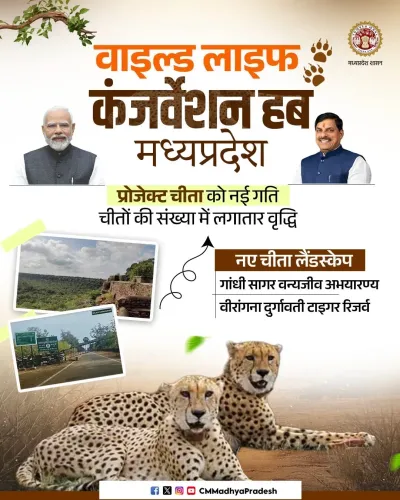
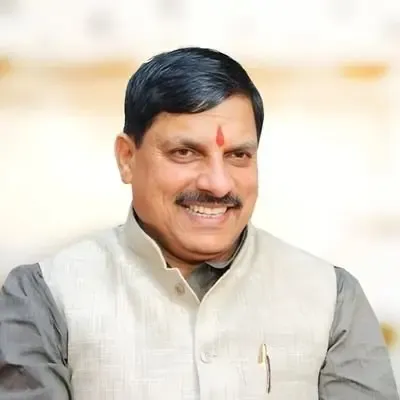
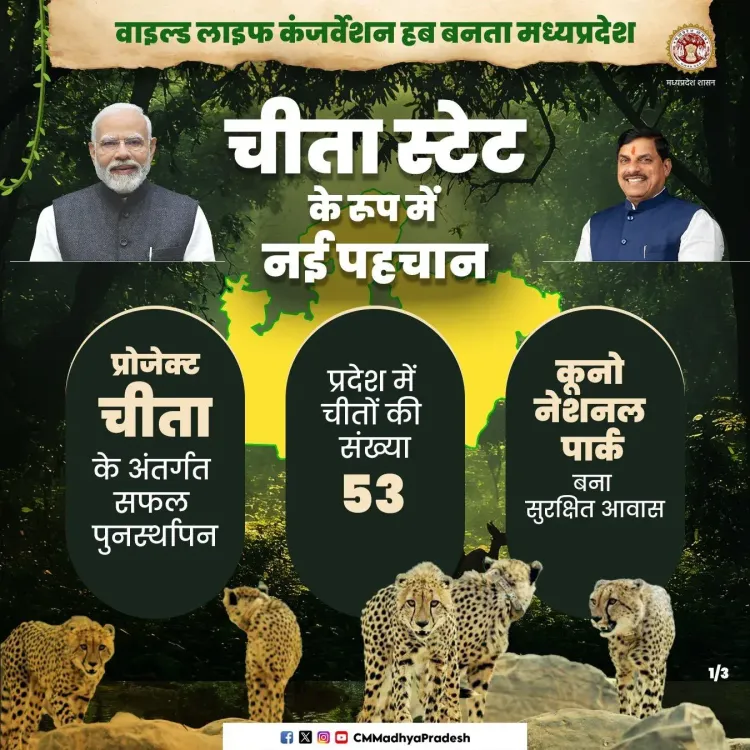
The Chief Minister's Office of Madhya Pradesh on Saturday, 23 May 2026 declared the state a 'Cheetah State' (Cheetah State), positioning Madhya Pradesh as India's foremost wildlife conservation hub in an official post on X tagging Chief Minister Dr. Mohan Yadav and the state forest ministry.
Context
The CMO's post, captioned 'वाइल्ड लाइफ कंजर्वेशन हब मध्यप्रदेश' ('Wildlife Conservation Hub Madhya Pradesh'), announces a new identity for the state centred on cheetah conservation. The branding signals a deliberate effort to extend the state's wildlife credentials beyond its long-held 'Tiger State' status to now encompass the cheetah, a species that was locally extinct in India for over seven decades.
Policy Backdrop
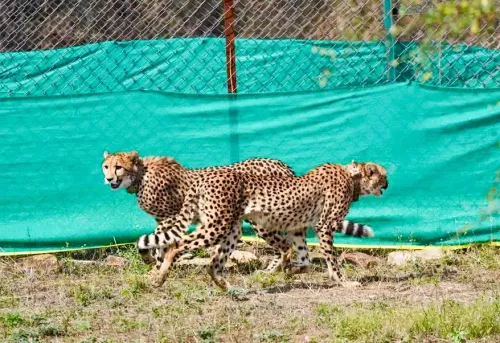
Project Cheetah, India's national cheetah reintroduction programme, was launched in September 2022 when eight Namibian cheetahs were released at Kuno National Park in Madhya Pradesh — the primary site chosen for the initiative. The programme marked the return of cheetahs to India after their extinction in 1952, and Madhya Pradesh has been at the centre of the effort since inception.
The state already hosts some of India's most celebrated tiger reserves, including Kanha and Bandhavgarh, which had previously earned it the informal title of 'Tiger State.' The new 'Cheetah State' branding layers a second flagship species onto that identity, reinforcing the state's positioning as a multi-species conservation leader under Chief Minister Dr. Mohan Yadav, who has been in office since December 2023.
Stakeholders and Impact
The Madhya Pradesh Forest Department, which manages both tiger reserves and the Kuno cheetah project, stands at the operational centre of this branding push. Wildlife tourism operators and local communities around Kuno National Park are among the most directly affected stakeholders, as a stronger conservation identity typically drives increased visitor footfall and economic activity in buffer zones.
For the broader wildlife tourism sector, the 'Cheetah State' label offers a new draw for domestic and international travellers seeking big-cat sightings — a segment that has grown steadily alongside India's tiger tourism circuit. The move also aligns state communication with central government priorities under Project Cheetah, which has national visibility.
What's Next
Observers will watch for population monitoring updates from Kuno National Park and any formal policy announcements accompanying the branding, such as expanded cheetah corridors or the designation of additional sites within Madhya Pradesh for cheetah habitat. The CMO's post, while declaratory in tone, sets the stage for concrete conservation milestones to be tied to the 'Cheetah State' identity in the months ahead.
As Madhya Pradesh deepens its investment in wildlife branding, the state's protected area network — one of the largest in India — could increasingly serve as a model for how subnational governments align themselves with national species recovery programmes to attract both conservation funding and tourism revenue.
Point of View
Timed to consolidate Madhya Pradesh's wildlife identity at a moment when Project Cheetah's early turbulence has given way to cautious optimism. By tagging Chief Minister Dr. Mohan Yadav directly, the CMO is anchoring the conservation narrative to his administration, making wildlife stewardship a visible political asset ahead of future electoral cycles. The move follows a well-worn playbook in Indian state politics — leveraging a nationally visible central scheme to build subnational brand equity — but Madhya Pradesh's genuine ecological credentials give it more substance than most such efforts. The real test will be whether the branding is backed by measurable outcomes: cheetah population growth, expanded habitat, and community benefit-sharing near Kuno.
NationPress
7 Oct 2026
Frequently Asked Questions
Why is Madhya Pradesh called the Cheetah State?
Madhya Pradesh has been branded the 'Cheetah State' because it hosts Kuno National Park, the primary site for India's Project Cheetah reintroduction programme, which brought African cheetahs back to India in 2022 after their extinction in 1952.
What is Project Cheetah in India?
Project Cheetah is India's national programme to reintroduce cheetahs, which went extinct in the country in 1952. It began in September 2022 when eight Namibian cheetahs were released at Kuno National Park in Madhya Pradesh.
Where is Kuno National Park located?
Kuno National Park is located in the Sheopur district of Madhya Pradesh and is the primary site for India's cheetah reintroduction under Project Cheetah.
Who is the Chief Minister of Madhya Pradesh in 2026?
Dr. Mohan Yadav has been the Chief Minister of Madhya Pradesh since December 2023 and is the political head overseeing the state's forest and wildlife policies, including the cheetah programme.
Was Madhya Pradesh already a Tiger State before being called Cheetah State?
Yes, Madhya Pradesh was previously known informally as a 'Tiger State' due to its multiple tiger reserves including Kanha and Bandhavgarh. The new 'Cheetah State' branding adds a second flagship species to its wildlife identity.