MP Solid Waste Management Rules 2026: Four-stream segregation mandatory from April 1
Synopsis
Madhya Pradesh has quietly enacted one of its most comprehensive waste frameworks yet — the Solid Waste Management Rules, 2026, in force since 1 April. With mandatory four-stream segregation, door-to-door collection, and RRR centres, the state is betting that citizen-level responsibility can finally move the needle on urban sanitation.
Key Takeaways
Madhya Pradesh notified the Solid Waste Management Rules, 2026 , effective 1 April 2026 .
Households must segregate waste into four streams : wet, dry, sanitary, and special care waste.
Rules apply to all urban local bodies and government departments across the state.
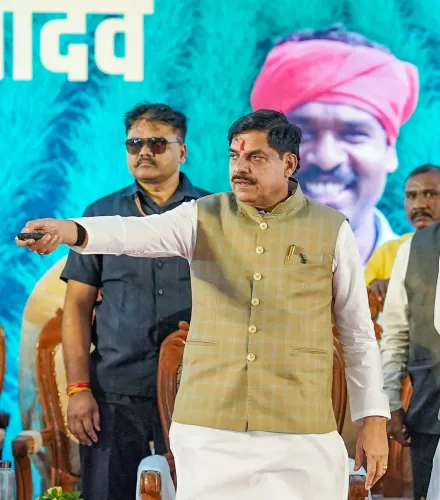
Chief Minister Mohan Yadav warned that laxity in implementation will not be tolerated.
The state is promoting home composting and RRR centres for reusable items, alongside a push to reduce single-use plastic.
Awareness campaigns are underway to inform citizens about segregation norms and RRR centre operations.
Madhya Pradesh has officially notified the Solid Waste Management Rules, 2026, establishing a structured framework for the collection, segregation, recycling, and disposal of waste across urban and rural areas, Chief Minister Mohan Yadav announced on Tuesday, 7 July 2025. The rules came into force on 1 April 2026 and apply to all urban local bodies and government departments across the state.
Key Provisions of the New Rules
Under the notified framework, households are required to segregate waste into four distinct streams — wet, dry, sanitary, and special care waste — before handing it over to authorised collection vehicles. This four-stream model marks a significant upgrade from earlier two-bin systems and aligns with national solid waste management standards.
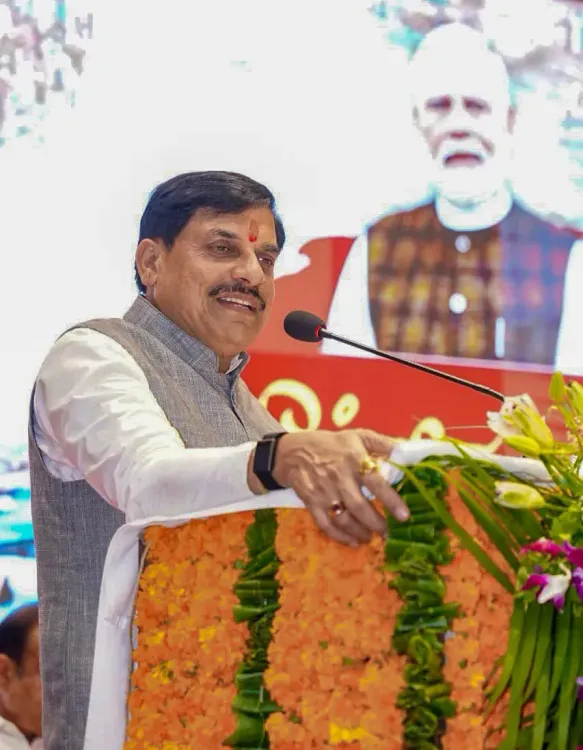
Chief Minister Yadav directed all urban local bodies to ensure regular door-to-door collection from households, commercial establishments, and slum areas. He warned that any laxity in implementing the rules would not be tolerated.
What the Government Said
In an official statement, Chief Minister Mohan Yadav said the state's cleanliness drive has been built on public participation. He stated that responding to Prime Minister Narendra Modi's call, and with active citizen involvement, Madhya Pradesh has achieved 'remarkable success in cleanliness.' He added that the Solid Waste Management Rules, 2026, will 'further strengthen scientific waste management and environmental protection.'
Yadav also urged citizens, institutions, and commercial establishments to adopt the principle of 'My Waste, My Responsibility' to build what he described as 'a clean, healthy and sustainable Madhya Pradesh for future generations.'
Recycling and Sustainability Push
Beyond collection and segregation, the state is promoting home composting and the establishment of Reduce, Reuse and Recycle (RRR) centres for old clothes, books, and other reusable household items. Citizens have been urged to reduce single-use plastic consumption by carrying cloth bags and reusable water bottles.
Awareness campaigns are currently being run across the state to inform residents about segregation norms and the functioning of RRR centres. Officials said the framework aims to improve sanitation and reduce mounting landfill pressure as municipal waste volumes continue to rise in cities.
Impact and What Comes Next
The government expects the rules to improve urban cleanliness, increase recycling rates, reduce pollution, and establish an efficient waste management system statewide. This comes amid growing pressure on Indian cities to manage rising waste volumes — a challenge that has seen several states introduce or revise solid waste frameworks in recent years.
With the rules already in force since 1 April 2026, urban local bodies are now on notice to operationalise door-to-door collection systems and segregation infrastructure. The success of the framework will ultimately depend on last-mile enforcement and sustained public awareness — two areas that have historically proved challenging in similar state-level rollouts.
Point of View
But ambition and implementation are different things. India's urban waste crisis is fundamentally an enforcement problem — rules have existed at the national level since 2016, yet landfill overflows remain routine. The real test for the Yadav government is whether urban local bodies, many of which lack adequate collection fleet and processing infrastructure, can operationalise this on the ground. The 'My Waste, My Responsibility' framing is politically appealing, but without measurable targets, independent monitoring, and consequences for non-compliant municipalities, this risks becoming another well-worded notification that changes little at the street level.
NationPress
7 Jul 2026
Frequently Asked Questions
What are the Madhya Pradesh Solid Waste Management Rules, 2026?
The Madhya Pradesh Solid Waste Management Rules, 2026, are a state-level regulatory framework notified by the Madhya Pradesh government to govern the collection, segregation, recycling, and disposal of waste in urban and rural areas. The rules came into force on 1 April 2026 and apply to all urban local bodies and government departments across the state.
What is the four-stream waste segregation system under the new MP rules?
Under the new rules, households in Madhya Pradesh must separate their waste into four categories before handing it to authorised collection vehicles: wet waste, dry waste, sanitary waste, and special care waste. This replaces earlier, simpler segregation models and is designed to improve recycling efficiency and reduce landfill burden.
Who is responsible for implementing the new waste rules in Madhya Pradesh?
Urban local bodies across Madhya Pradesh are responsible for operationalising the rules, including ensuring regular door-to-door waste collection from households, commercial establishments, and slum areas. Chief Minister Mohan Yadav has warned that any laxity in implementation will not be tolerated.
What are RRR centres under the Madhya Pradesh waste management framework?
RRR centres — standing for Reduce, Reuse and Recycle — are collection points being established across Madhya Pradesh for reusable household items such as old clothes and books. They form part of the state's broader sustainability push alongside home composting initiatives and campaigns to reduce single-use plastic.
Why did Madhya Pradesh introduce new solid waste management rules in 2026?
The rules were introduced to address rising municipal waste volumes in cities and reduce pressure on landfills. Officials said the existing framework needed upgrading to ensure scientific waste handling and improve sanitation outcomes across both urban and rural areas of the state.