NEET paper leak: MP sets up 4 fast track courts in Indore, Bhopal, Gwalior, Jabalpur
Synopsis
Madhya Pradesh has become the first state to act on PM Modi's NEET paper leak assurance, with CM Mohan Yadav announcing four Fast Track Courts across the state. As student protests continue at Jantar Mantar and the controversy turns political, the move signals that the Centre and BJP-ruled states are under mounting pressure to deliver visible judicial action.
Key Takeaways
Madhya Pradesh CM Mohan Yadav announced four Fast Track Courts on 24 July in response to the alleged NEET paper leak controversy.
Courts will be set up in Indore , Bhopal , Gwalior , and Jabalpur to expedite cases, especially those involving youth.
The move follows PM Narendra Modi's assurance a day earlier that Fast Track Courts would deliver speedy justice to affected students.
Thousands of students have been protesting at Jantar Mantar , New Delhi , demanding accountability in the examination process.
Congress has accused the BJP-led Centre of using excessive force on protesters and demanded the resignation of Education Minister Dharmendra Pradhan .
Detailed operational guidelines for the new courts are expected from the state government in the coming days.
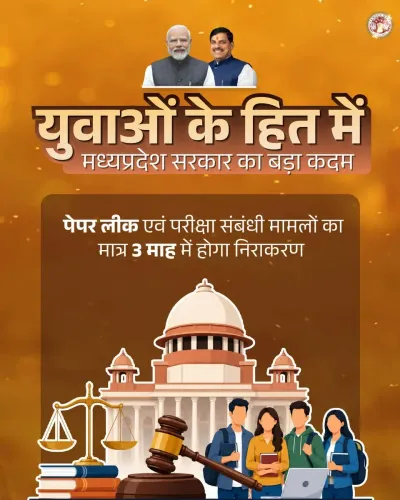
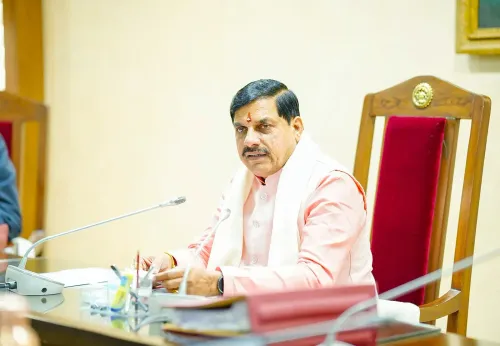
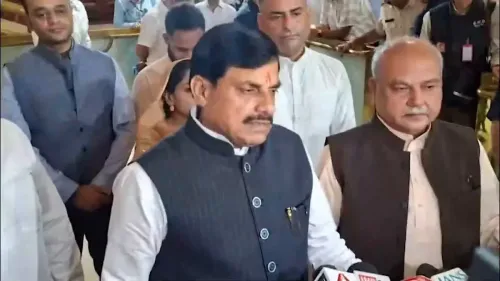
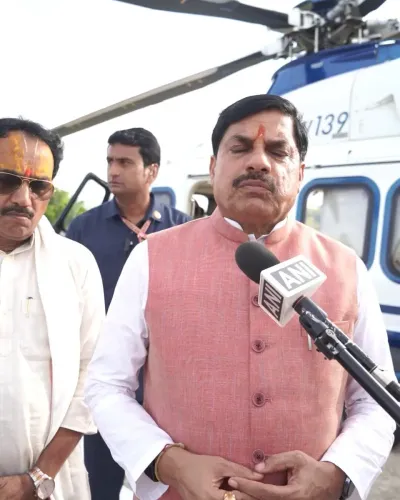
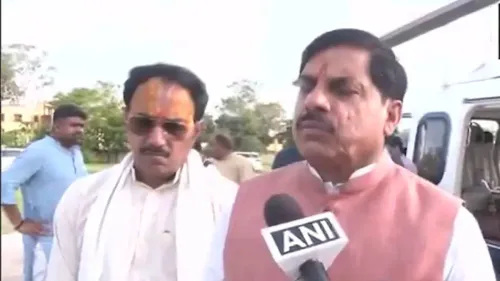
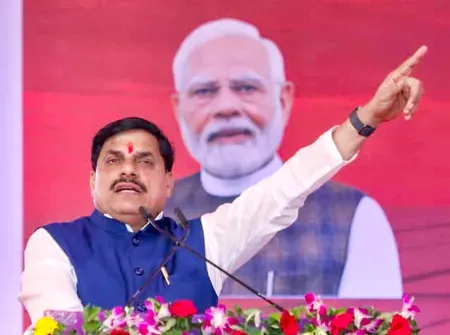
Madhya Pradesh Chief Minister Mohan Yadav on Friday, 24 July announced the establishment of four Fast Track Courts in the state — in Indore, Bhopal, Gwalior, and Jabalpur — a day after Prime Minister Narendra Modi assured students of speedy justice in the alleged NEET paper leak case. Madhya Pradesh becomes the first state to act on the Prime Minister's announcement at the state level.
What the Chief Minister Announced
'Following Prime Minister Narendra Modi's announcement yesterday regarding Fast Track Courts, our government has decided today to establish four new Fast Track Courts,' Chief Minister Yadav said while making the declaration.
He added that the courts would specifically expedite cases involving youth. 'Fast Track Courts will be established in Indore, Bhopal, Gwalior and Jabalpur so that cases, including those related to youth, are disposed of quickly and people receive timely justice,' he said. Detailed guidelines on the functioning and jurisdiction of the new courts are expected from the state government in the coming days.
The NEET Controversy That Triggered the Move
The decision comes amid a nationwide storm over the alleged NEET paper leak, which has drawn thousands of student protesters to Jantar Mantar in New Delhi over several consecutive days. Demonstrators have demanded a fair investigation and strict action against those responsible for compromising the integrity of the examination.
Notably, the protests took a political turn when the Indian National Congress (INC) accused the Bharatiya Janata Party (BJP)-led Centre of using excessive force against the demonstrators and demanded the resignation of Union Education Minister Dharmendra Pradhan. The Centre, in response, maintained that student interests remain paramount and that those responsible for any irregularities will face strict legal action.
Context: Modi's Assurance and the National Picture
Prime Minister Modi had, a day earlier, directly addressed the NEET row by promising the establishment of Fast Track Courts to ensure speedy judicial redress for affected students. The Madhya Pradesh government's move is the first concrete state-level follow-through on that commitment.
This comes amid broader concerns about the integrity of competitive examinations in India, with the NEET controversy being the most high-profile in recent memory. Critics argue that systemic reforms — not just faster courts — are needed to prevent paper leaks at the source.
What Happens Next
The Madhya Pradesh government is expected to notify the operational framework for the four courts shortly. Whether other BJP-governed states will follow with similar announcements remains to be seen. The political pressure from ongoing student protests is likely to keep the issue at the forefront of national discourse in the weeks ahead.
Point of View
Politically legible response — but they address the aftermath of a paper leak, not its cause. The deeper question is why examination security failed in the first place, and whether the investigation into the alleged leak will produce prosecutions that hold up in any court, fast-track or otherwise. The Congress demand for Dharmendra Pradhan's resignation signals that the opposition sees electoral traction in the NEET row; the BJP's rapid state-level mobilisation suggests it does too. What students actually need — a credible, independent inquiry into the leak mechanism — has not yet been announced by any government.
NationPress
23 Oct 2026
Frequently Asked Questions
Why has Madhya Pradesh set up Fast Track Courts over the NEET row?
Madhya Pradesh CM Mohan Yadav announced four Fast Track Courts on 24 July to ensure quicker disposal of cases linked to the alleged NEET paper leak, following a direct assurance by PM Narendra Modi the previous day. The courts will be located in Indore, Bhopal, Gwalior, and Jabalpur.
Which cities will host the new Fast Track Courts in Madhya Pradesh?
The four Fast Track Courts will be established in Indore, Bhopal, Gwalior, and Jabalpur, covering major judicial centres across the state.
What is the NEET paper leak controversy?
The alleged NEET paper leak refers to claims that question papers for the National Eligibility cum Entrance Test were compromised before the examination, triggering nationwide student protests demanding a fair investigation and strict action against those responsible.
What has the Centre said about the NEET paper leak?
The Centre has stated that student interests remain paramount and that those found responsible for any irregularities will face strict legal action. PM Modi had personally assured students of speedy justice through Fast Track Courts.
What has the Congress demanded over the NEET controversy?
The Indian National Congress has accused the BJP-led Centre of using excessive force against student protesters at Jantar Mantar and has demanded the resignation of Union Education Minister Dharmendra Pradhan.