MP Tourism Board signs MoU with Tata STRIVE for skill development
Synopsis
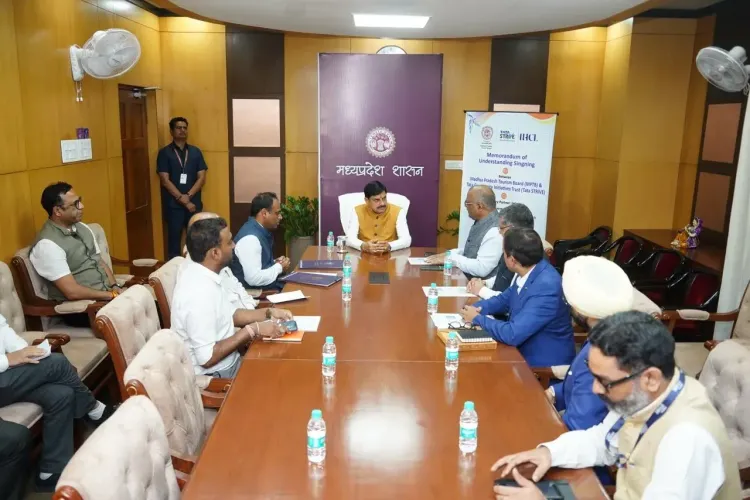
The Madhya Pradesh Tourism Board inked an MoU with Tata STRIVE and TCIT on August 6, 2026, in CM Dr. Mohan Yadav's presence, aiming to deliver vocational training and improve youth employability across the state's tourism and hospitality sector.
Key Takeaways
The Madhya Pradesh Tourism Board signed an MoU with Tata STRIVE and Tata Community Initiatives Trust (TCIT) on August 6, 2026 .
Mohan Yadav was present at the signing ceremony.
The partnership targets skill development and employability for youth in Madhya Pradesh's tourism and hospitality sector.
Tata STRIVE is the Tata Group's vocational training initiative with a track record across multiple Indian states.
Specific training modules and placement outcomes are expected to emerge over the next 12 to 18 months .
The collaboration follows a broader national pattern of state governments partnering with corporate CSR arms to fund sector-specific skill programmes.
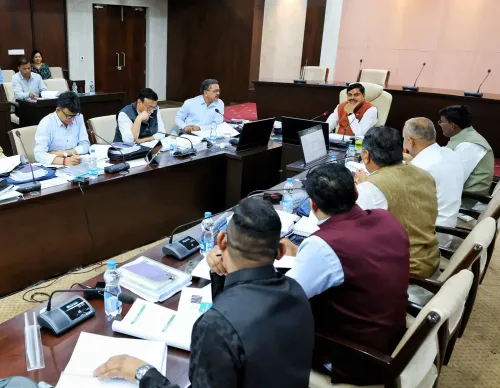
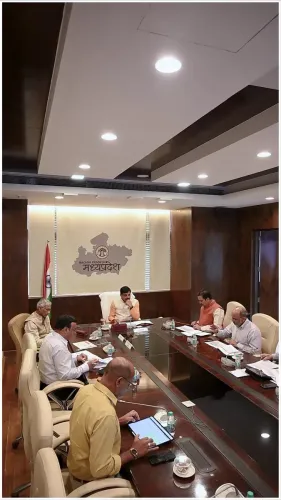
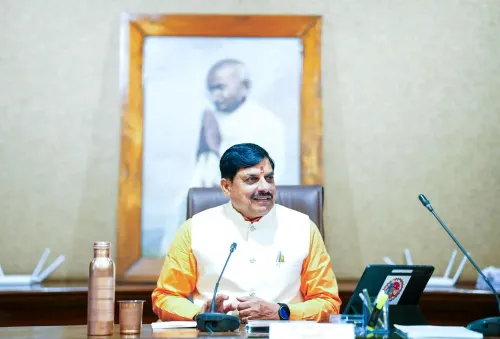
A handshake between government and industry that could reshape careers across Madhya Pradesh's booming tourism sector: the Madhya Pradesh Tourism Board signed a significant memorandum of understanding with Tata STRIVE and the Tata Community Initiatives Trust (TCIT) on Thursday, August 6, 2026, in the presence of Chief Minister Dr. Mohan Yadav, signalling a structured push to build a skilled workforce for one of the state's fastest-growing industries.
What the MoU brings to the table
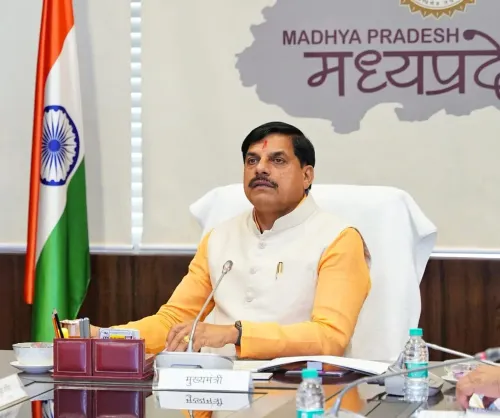
The agreement pairs the state's tourism promotion machinery with Tata STRIVE — the Tata Group's flagship vocational training initiative — and its community development arm, TCIT. Together, they are expected to design and deliver industry-aligned training modules targeting youth seeking employment in the tourism and hospitality space. The Chief Minister's Office described the signing as taking place in a 'dignified presence' (garimamayi upasthiti) of Dr. Yadav, underlining the political weight accorded to the partnership.
Why tourism, why now
Madhya Pradesh has aggressively positioned itself as a heritage and wildlife tourism destination — home to Khajuraho, Kanha, and Bandhavgarh — and the demand for trained guides, hospitality workers, and service professionals has outpaced supply. Indian state governments have increasingly turned to established corporate CSR arms like Tata's to fill that gap without drawing on central government funding. The logic is clean: the state provides the pipeline of youth; the corporate partner brings the curriculum, the trainers, and — critically — the industry connections that translate certificates into jobs.
Tata STRIVE's track record in skill-building
Tata STRIVE, operating under the broader Tata Trusts ecosystem, has run vocational training programmes across multiple Indian states, focusing on employability in growth sectors. TCIT manages the community-facing side of these efforts, ensuring outreach to underserved populations. The partnership with MP Tourism Board fits a pattern the group has established in other states — sector-specific training tied to real placement outcomes rather than generic certification drives.
The real test arrives in the months ahead: whether training modules are launched on schedule, whether placement numbers materialise, and whether the collaboration outlasts the ribbon-cutting. Those outcomes — expected to unfold over the next 12 to 18 months — will determine whether this MoU is a genuine workforce intervention or a well-photographed moment of intent.
Point of View
Associating the government visibly with a Tata-branded initiative carries political capital — the Tata name functions as a quality signal in public perception. The deeper question is whether this partnership produces measurable placement data or remains a headline-level gesture; Indian state-corporate MoUs in the skill space have a mixed record of follow-through. If outcomes are tracked and published, it could serve as a replicable model for other tourism-heavy states watching MP's experiment.
NationPress
21 Sept 2026
Frequently Asked Questions
What is the MoU between MP Tourism Board and Tata STRIVE about?
The MoU is an agreement to collaborate on skill development and vocational training for youth in Madhya Pradesh's tourism and hospitality sector, combining the state's tourism infrastructure with Tata STRIVE's training expertise.
Who is Tata STRIVE and what does it do?
Tata STRIVE is the Tata Group's vocational training initiative that focuses on improving employability through industry-aligned skill programmes, operating across multiple Indian states under the Tata Trusts ecosystem.
Who signed the MoU and when?
The MoU was signed on August 6, 2026, between the Madhya Pradesh Tourism Board and Tata STRIVE along with Tata Community Initiatives Trust (TCIT), in the presence of Chief Minister Dr. Mohan Yadav.
What is the Tata Community Initiatives Trust (TCIT)?
TCIT is the Tata entity responsible for managing community development and CSR initiatives, including skills and livelihood programmes, and is a co-signatory to the MP Tourism Board MoU.
How will this MoU benefit youth in Madhya Pradesh?
The partnership aims to provide structured vocational training tailored to the tourism sector, improving job readiness and placement prospects for youth in Madhya Pradesh over the next 12 to 18 months.