Madhya Pradesh to Celebrate Ganga Dussehra with Major Water Drive on May 25
Synopsis
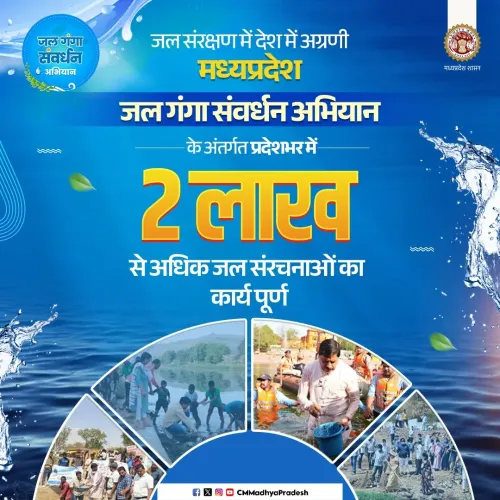
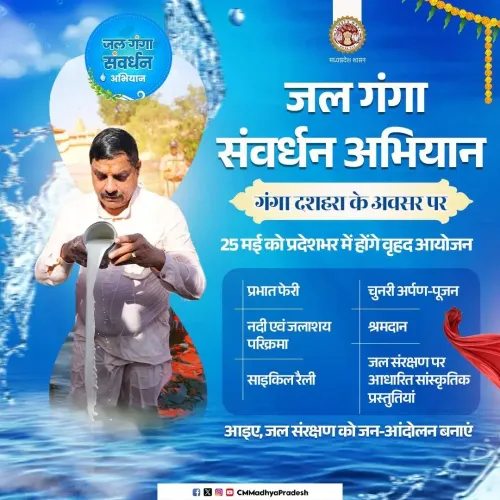
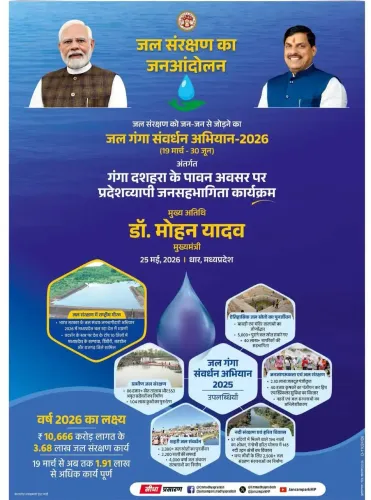
Madhya Pradesh will hold a massive water conservation drive on Ganga Dussehra on May 25 under the Jal Ganga Samvardhan Abhiyan, with Rs 6,232 crore in planned works and districts Dindori and Khandwa already ranked 1st and 2nd nationally. CM Mohan Yadav wants it to become a people's movement before monsoon season.
Key Takeaways
Ganga Dussehra on May 25, 2025 will serve as the centrepiece event for Madhya Pradesh's state-wide water conservation drive under the Jal Ganga Samvardhan Abhiyan .
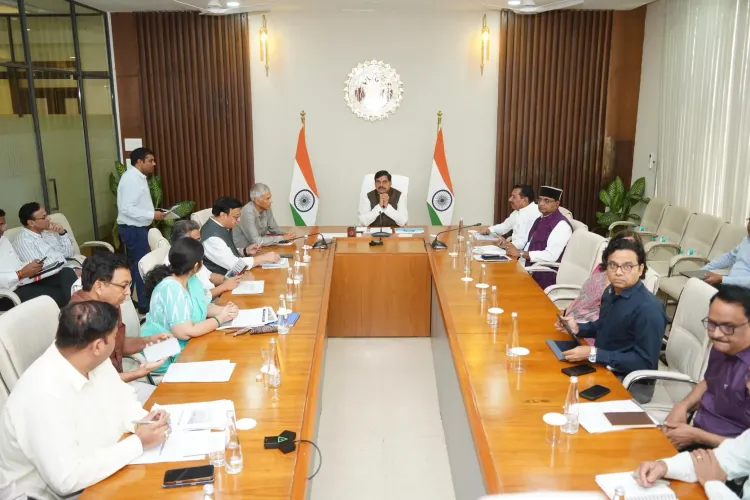
CM Mohan Yadav chaired a high-level review via video conferencing on April 26 , calling for the campaign to become a mass people's movement.
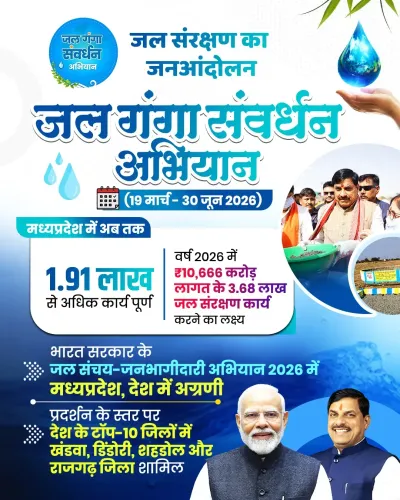
Dindori ranked 1st and Khandwa ranked 2nd nationally under the Central government's Jal Sanchay Jan Bhagidari Abhiyan .
More than 2.43 lakh works worth Rs 6,232 crore are planned under the Panchayat and Rural Development Department alone.
The campaign covers 82 activities across 16 departments and runs from March 19 to June 30, 2025 .
A district-wise ranking system will be introduced to drive accountability and innovation across administrative units.
Madhya Pradesh will mark Ganga Dussehra on May 25 with a sweeping state-wide water conservation push under the 'Jal Ganga Samvardhan Abhiyan', as Chief Minister Mohan Yadav calls for the initiative to evolve into a full-scale mass movement. The campaign, launched on March 19, runs until June 30 and aims to mobilise communities, institutions, and local governments across every district of the state to safeguard depleting water resources ahead of a punishing summer season.
CM Mohan Yadav Chairs High-Level Review Meeting
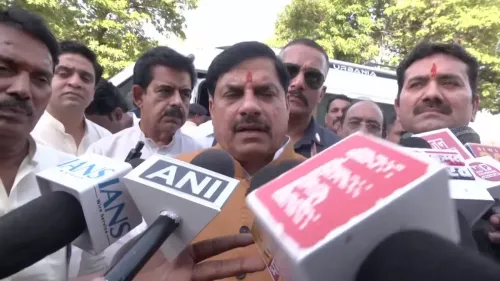
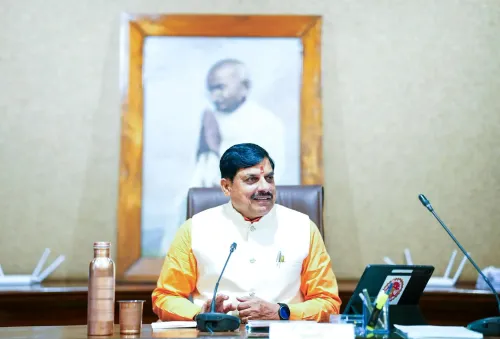
Chief Minister Mohan Yadav chaired a state-level review of the campaign via video conferencing on Saturday, April 26, directing officials to ensure the Ganga Dussehra programmes achieve maximum ground-level impact. He emphasised that voluntary community activities including cleaning of wells, stepwells, ponds, and canals, along with tree plantation, ghat cleaning, and water conservation drives, must be executed at the village and ward levels across Madhya Pradesh.
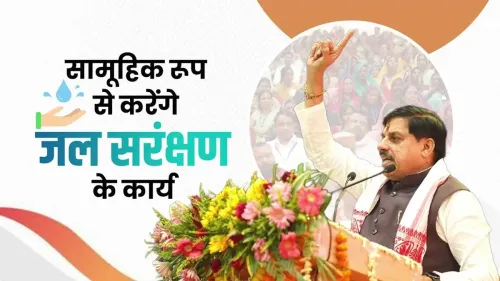
The Chief Minister stated during the review that the Jal Ganga Samvardhan Abhiyan must become a mass movement, with collective voluntary efforts carried out at village and ward levels. He instructed officials to ensure participation from Panchayats, urban local bodies, NGOs, social and religious organisations, women's self-help groups, and trade associations, reinforcing the government's intent to make water conservation a citizen-led mission rather than a top-down administrative exercise.
MP Leads Nation in Community Water Conservation
Madhya Pradesh has emerged as a national frontrunner in participatory water conservation, with Dindori and Khandwa districts securing the top two positions nationally under the Central government's Jal Sanchay Jan Bhagidari Abhiyan. Dindori ranked first in the country, while Khandwa claimed second position, a remarkable achievement for a state that has historically struggled with drought-prone conditions in its central and northern belts.
The Chief Minister highlighted that 82 activities spanning 16 departments have been identified under the initiative, signalling a whole-of-government approach that goes well beyond symbolic gestures. This multi-departmental convergence is a deliberate strategy to prevent siloed implementation that has plagued similar schemes in the past.
Rs 6,232 Crore in Works Planned Under Panchayat Department
Officials briefed the Chief Minister that more than 2.43 lakh works worth Rs 6,232 crore have been planned under the Panchayat and Rural Development Department. Districts leading in implementation include Khandwa, Khargone, Dindori, Rajgarh, and Balaghat, many of which fall in water-stressed zones, making the scale of investment both timely and consequential.
Urban local bodies are simultaneously focusing on rainwater harvesting, cleaning of drains and water channels, and beautification of water bodies. Awareness campaigns including rallies, seminars, and street plays are being rolled out across the state to build a sustained culture of water stewardship among citizens.
Monitoring, Rankings, and Drinking Water Kiosks
CM Yadav called for the introduction of a district-wise ranking system to promote efficiency, accountability, and healthy competition among administrative units. This performance-linked framework mirrors similar incentive structures used in Swachh Bharat rankings and is designed to prevent laggard districts from coasting through the campaign without measurable output.
He also directed officials to ensure public drinking water kiosks are operational during the summer months, maintain cleanliness around water sources, and conduct regular water quality testing in schools and Anganwadi centres, a critical public health safeguard given the risk of waterborne diseases that spike during hotter months.
Why This Campaign Matters Beyond the Headlines
India's groundwater crisis is well-documented, and several Madhya Pradesh districts face critical or over-exploited aquifer conditions according to the Central Ground Water Board. The Jal Ganga Samvardhan Abhiyan arrives at a moment when the state's agricultural backbone depends heavily on monsoon reliability and groundwater recharge, both of which are under increasing climate stress.
The campaign's emphasis on stepwell and pond restoration aligns with traditional indigenous water harvesting methods that scientists and conservationists argue are more resilient than large infrastructure projects. With Ganga Dussehra on May 25 set as the campaign's centrepiece event and the initiative running through June 30, all eyes will be on whether Madhya Pradesh can sustain momentum beyond the symbolic date and whether the Rs 6,232 crore in planned works translates into measurable improvements in water availability before the monsoon arrives.
Point of View
But the real test lies beyond the optics of Ganga Dussehra rallies. The state's Rs 6,232 crore commitment is substantial, yet India's water governance history is littered with well-funded campaigns that faded after the launch event. What sets this apart is the district-level ranking mechanism, which introduces accountability that most such drives lack. The national rankings of Dindori and Khandwa are genuine achievements, but with groundwater depletion accelerating across central India, the government must ensure this becomes institutional policy and not a seasonal spectacle tied to the election calendar.
NationPress
9 Oct 2026
Frequently Asked Questions
What is the Jal Ganga Samvardhan Abhiyan in Madhya Pradesh?
The Jal Ganga Samvardhan Abhiyan is a water conservation campaign launched by the Madhya Pradesh government on March 19, 2025, running until June 30. It covers 82 activities across 16 departments and aims to mobilise communities, local bodies, and NGOs for participatory water conservation.
What will happen on Ganga Dussehra May 25 in Madhya Pradesh?
Madhya Pradesh will organise special state-wide water conservation activities on Ganga Dussehra, May 25, 2025, as part of the Jal Ganga Samvardhan Abhiyan. Events will include cleaning of wells, ponds, stepwells, tree plantation, and awareness drives at village and ward levels.
Which MP districts ranked top nationally in water conservation?
Dindori ranked first in the country and Khandwa ranked second under the Central government's Jal Sanchay Jan Bhagidari Abhiyan. Both districts are in Madhya Pradesh and have been cited by CM Mohan Yadav as models for community-driven water conservation.
How much money is being spent on water conservation in MP in 2025?
More than 2.43 lakh works worth Rs 6,232 crore have been planned under the Panchayat and Rural Development Department as part of the campaign. Districts like Khandwa, Khargone, Dindori, Rajgarh, and Balaghat are leading in implementation.
Who is leading the Jal Ganga Samvardhan Abhiyan campaign?
Chief Minister Mohan Yadav is personally overseeing the Jal Ganga Samvardhan Abhiyan, having chaired a state-level review meeting via video conferencing on April 26, 2025. He has directed all departments, Panchayats, and urban local bodies to ensure maximum public participation.