MSP procurement of pulses, oilseeds approved for 4 states; UP gets ₹1,490 crore
Synopsis
The Centre has approved MSP-based procurement of pulses and oilseeds across four states — with Uttar Pradesh alone securing over ₹1,490 crore in approvals for moong, urad, and groundnut. The move activates the Price Support Scheme to protect farmers from market price crashes during the Summer 2026 season, a significant intervention for two of India's most price-volatile crop categories.
Key Takeaways
The Centre approved MSP procurement of pulses and oilseeds under the Price Support Scheme (PSS) for Tamil Nadu, Gujarat, Uttar Pradesh, and Haryana on 19 June .
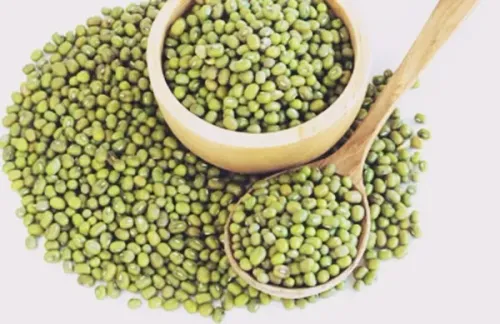
Uttar Pradesh is the biggest beneficiary, with approvals for 48,298 MT of moong, 97,970 MT of urad, and 41,718 MT of groundnut — total MSP value exceeding ₹1,490 crore .
Gujarat received approval for 18,250 MT of moong worth over ₹160 crore for Summer 2026.
Haryana approved for 2,115 MT of moong with an MSP value exceeding ₹18 crore .
Tamil Nadu's moong procurement limit for RMS 2025-26 raised from 885 MT to 990 MT , valued at ₹8.68 crore .
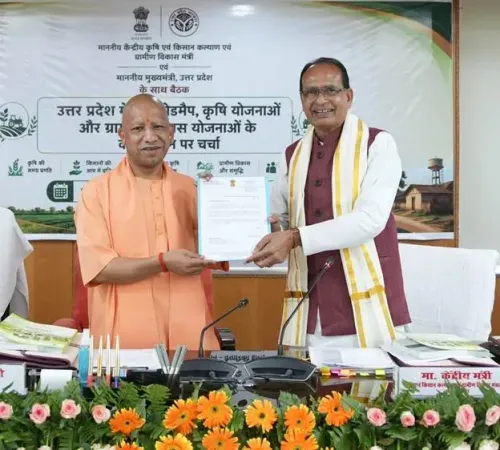
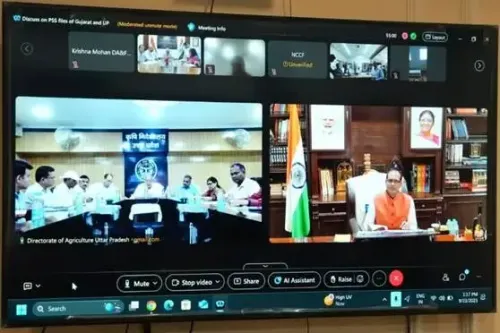
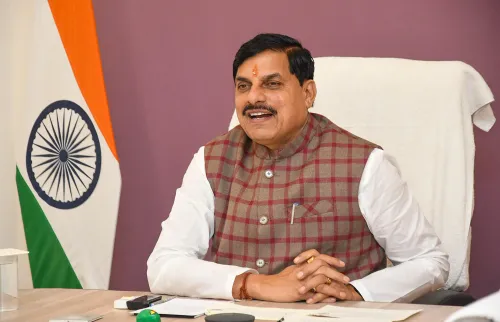
The Centre on 19 June approved large-scale procurement of pulses and oilseeds at minimum support price (MSP) under the Price Support Scheme (PSS) for Tamil Nadu, Gujarat, Uttar Pradesh, and Haryana, aiming to shield farmers from distress sales and volatile market prices. Agriculture Minister Shivraj Singh Chouhan said the move is designed to guarantee remunerative returns for pulse and oilseed growers across the four states.
Uttar Pradesh: Biggest Beneficiary
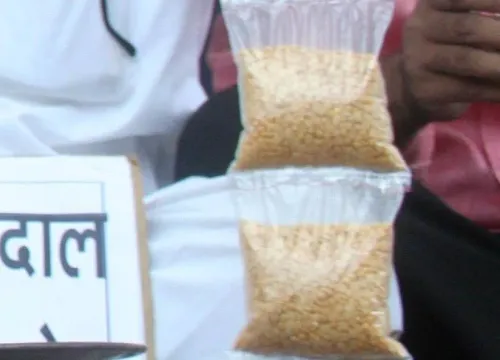
Uttar Pradesh has secured the largest allocation under the Summer 2026 season approvals. The state will see procurement of 48,298 metric tonnes (MT) of moong, 97,970 MT of urad, and 41,718 MT of groundnut. The combined MSP value of these approvals exceeds ₹1,490 crore, making it the single largest state-level commitment in this round.
Gujarat and Haryana Approvals
In Gujarat, the government has approved procurement of 18,250 MT of moong for the Summer 2026 season, with a total MSP value of over ₹160 crore. The decision is expected to help moong farmers in the state secure better prices and avoid distress selling to intermediaries.
For Haryana, an approval has been granted for 2,115 MT of moong during the Summer 2026 season, with a total MSP value exceeding ₹18 crore, according to the official ministry statement.
Tamil Nadu: Enhanced Procurement Limit
In Tamil Nadu, the minister enhanced the moong procurement ceiling for the Rabi Marketing Season (RMS) 2025-26 from 885 MT to 990 MT — an addition of 105 MT. The total MSP value of the approved procurement stands at ₹8.68 crore, directly benefiting moong farmers in the state.
Why This Matters for Farmers
The PSS is a central government intervention that activates when market prices of notified commodities fall below their MSP, enabling designated agencies to procure directly from farmers at the floor price. This round of approvals covers both kharif and rabi crops, reflecting a broader effort to stabilise incomes across crop cycles.
Notably, pulses and oilseeds are among the most price-volatile agricultural commodities in India, and farmers in these categories have historically been among the most vulnerable to market downturns. This is also consistent with the Centre's ongoing push to boost domestic oilseed production and reduce import dependence. With disbursements now approved, procurement agencies are expected to begin field operations shortly.
Point of View
Urad, and groundnut have either fallen below or are at risk of falling below MSP in these states — a quiet admission that the market is not delivering for farmers without government backstop. Uttar Pradesh's outsized share, covering three separate commodities, reflects both the scale of its agrarian base and the political salience of farmer welfare ahead of state cycles. What the announcement does not address is procurement infrastructure: whether enough mandis, storage facilities, and agency personnel are in place to actually absorb these volumes at speed is the operational question that will determine whether these approvals translate into real income support or remain on paper.
NationPress
19 Sept 2026
Frequently Asked Questions
What is the Price Support Scheme (PSS) for pulses and oilseeds?
The Price Support Scheme is a central government mechanism that enables designated agencies to procure notified agricultural commodities directly from farmers at MSP when market prices fall below the floor. It is specifically designed to prevent distress selling by pulse and oilseed growers.
Which states have been covered under the latest MSP procurement approval?
The four states covered are Uttar Pradesh, Gujarat, Tamil Nadu, and Haryana. Approvals span the Summer 2026 season for most states, with Tamil Nadu's enhancement applying to the Rabi Marketing Season 2025-26.
Why is Uttar Pradesh the biggest beneficiary in this round?
Uttar Pradesh received approvals for three commodities — moong, urad, and groundnut — with a combined MSP value exceeding ₹1,490 crore, the largest single-state allocation in this round. The state has a large pulse and oilseed farming base, making it the primary target for price support intervention.
How much moong will be procured in Gujarat under this approval?
Gujarat has been approved for procurement of 18,250 MT of moong for the Summer 2026 season, with a total MSP value of over ₹160 crore, according to Agriculture Minister Shivraj Singh Chouhan.
What change has been made for Tamil Nadu's moong procurement?
The moong procurement limit for Tamil Nadu under the Rabi Marketing Season 2025-26 has been raised from 885 MT to 990 MT, adding 105 MT. The total MSP value of the revised approval stands at ₹8.68 crore.