BJP's Nitin Nabin Slams Rahul Gandhi as 'Part-Time Politician' in Bengal
Synopsis
BJP President Nitin Nabin branded Rahul Gandhi a 'part-time politician' at a Nadia roadshow, predicting Gandhi will soon be seen cosying up to Mamata Banerjee despite their alliance fracture — as West Bengal heads into its high-stakes second phase of Assembly polls on April 29.
Key Takeaways
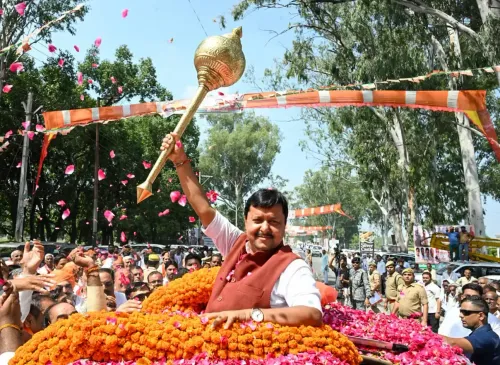
BJP President Nitin Nabin called Rahul Gandhi a 'part-time politician' at a roadshow in Shantipur, Nadia district, West Bengal on April 26 .
Nabin predicted that Rahul Gandhi will soon be seen meeting CM Mamata Banerjee , signalling the INDI alliance has effectively collapsed in West Bengal .
Rahul Gandhi had previously called PM Modi and Mamata Banerjee 'two sides of the same coin' at a rally in Sreerampore on April 25 .
BJP is contesting the West Bengal Assembly bypolls without any alliance partner, banking on PM Modi's leadership as its primary campaign plank.
The second phase of West Bengal polls is scheduled for April 29 , with BJP expressing confidence of breaking the high turnout record set during the April 23 first phase.
Nabin accused CM Banerjee of creating an atmosphere of fear, framing BJP's campaign as a fight for the rights and safety of West Bengal's people.
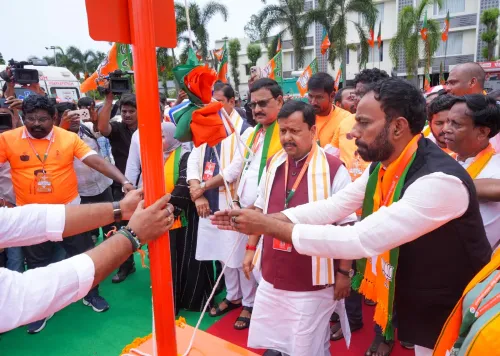
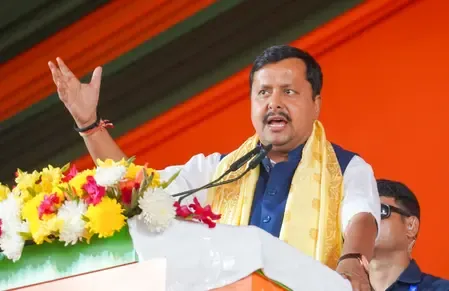
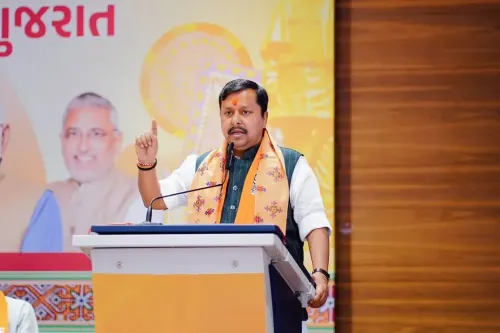
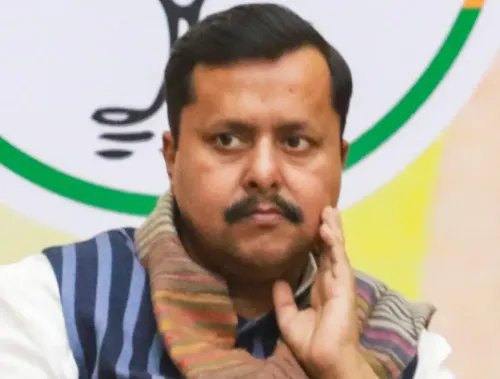
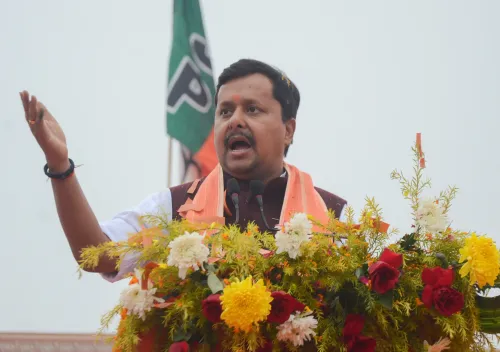
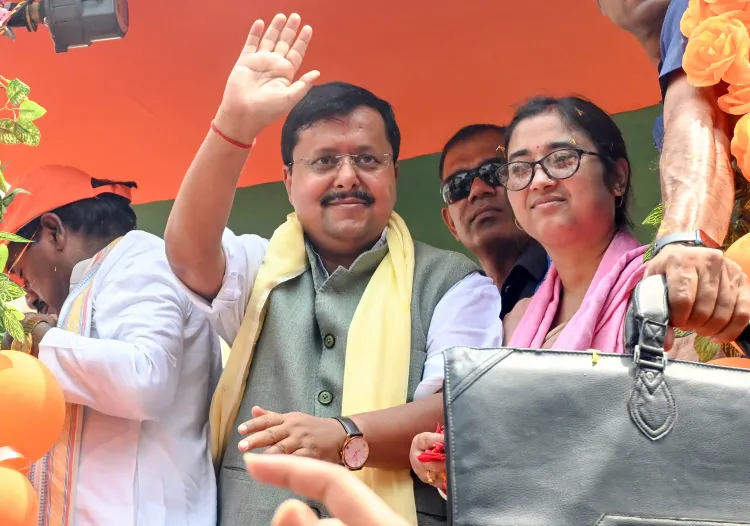
Kolkata, April 26: Bharatiya Janata Party (BJP) President Nitin Nabin launched a sharp political offensive against Congress Leader of Opposition Rahul Gandhi on Sunday, branding him a 'part-time politician' who surfaces only during election season. The attack came during a high-decibel roadshow at Shantipur, Nadia district, West Bengal, held ahead of the second phase of Assembly elections scheduled for April 29. Nabin's remarks signal an intensifying multi-front battle in Bengal where BJP, Congress, and the ruling Trinamool Congress are each fighting for political space.
Nabin's Direct Attack on Rahul Gandhi
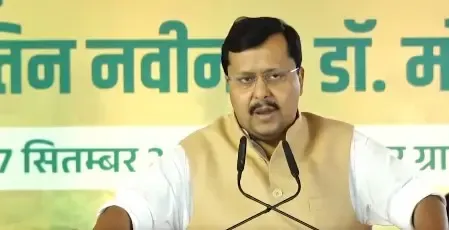
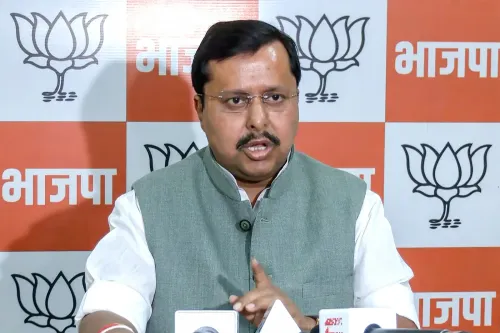
Speaking to reporters during his Shantipur roadshow, Nabin questioned Gandhi's political consistency, asking pointedly: "Has Rahul Gandhi ever been seen taking part in any movement or speaking on any issue?" He alleged that the Congress MP from Wayanad only becomes vocal when ballots are imminent.
"The people of Bengal have got nothing to do with such part-time politicians," Nabin declared, drawing applause from the crowd. The remark is a calculated attempt to undercut Gandhi's credibility among West Bengal voters who, historically, have not given Congress significant electoral ground in the state.
This is not the first time BJP leaders have used the 'part-time politician' label against Gandhi. The party has repeatedly questioned his commitment to parliamentary duties, citing his foreign travel schedules and periods of political silence between election cycles. The consistency of this messaging suggests a deliberate BJP communication strategy to erode Gandhi's image as a credible Opposition voice.
The INDI Alliance Fracture Angle
Nabin went further, predicting an imminent political realignment that could embarrass both Congress and Trinamool Congress (TMC). "Just wait and see, in a few days, Rahul Gandhi will be seen sitting with West Bengal Chief Minister Mamata Banerjee. Their INDI alliance has broken. We don't have any alliance," he said.
This statement carries significant political weight. The INDIA bloc, which was formed in 2023 as a broad Opposition coalition against BJP, has visibly strained in West Bengal, where TMC and Congress are contesting against each other rather than jointly. Mamata Banerjee's decision to go it alone in Bengal effectively fractured the alliance's electoral unity in one of India's most politically sensitive states.
Notably, TMC and Congress have historically been rivals in Bengal, competing for the same minority and rural voter base. Nabin's prediction of a post-election rapprochement between Gandhi and Banerjee is designed to portray both parties as opportunistic rather than principled.
Rahul Gandhi's 'Two Sides of the Same Coin' Remark
Nabin's attack was a direct response to Gandhi's rally speech at Sreerampore the previous day, where the Congress MP had drawn an equivalence between Prime Minister Narendra Modi and CM Mamata Banerjee, calling them "both two sides of the same coin" who ignore ordinary citizens' aspirations.
"Both the Prime Minister and the West Bengal Chief Minister are bothered about themselves. What PM Narendra Modi is doing in India, that is exactly what Mamata Banerjee is doing in West Bengal," Gandhi had said. He further alleged a "clandestine arrangement" between PM Modi and CM Banerjee, suggesting this was why no central agency cases had been filed against her.
This claim by Gandhi is a recurring Congress talking point, though it remains contested. BJP leaders have consistently denied any such understanding with TMC, while Banerjee has positioned herself as one of Modi's strongest critics nationally.
BJP's Bengal Strategy and Voter Turnout Confidence
Shifting his attack toward CM Banerjee, Nabin said: "We are fighting for the people of West Bengal whom 'Didi' (Banerjee) has terrified." This framing taps into BJP's long-standing narrative of political violence and intimidation in Bengal, a charge TMC consistently denies.
Referencing the first phase of voting on April 23, which recorded a high polling percentage, Nabin expressed confidence that April 29 would see an even greater voter turnout — which BJP interprets as momentum in its favour. "I believe that on April 29, people will come in large numbers to every booth to vote for the BJP," he said.
"Under Prime Minister Narendra Modi's leadership, the people of the state are ready to move from an atmosphere of despair and fear to an atmosphere of hope and belief," Nabin added, invoking Modi's leadership as the central electoral pitch — a strategy BJP has deployed consistently across state elections since 2014.
Broader Political Implications for West Bengal
The three-way political battle in West Bengal — between BJP, TMC, and Congress-Left — reflects the fractured state of national Opposition politics. BJP's decision to contest without alliance partners mirrors its confidence in its own organisational strength in the state, where it dramatically improved its seat count in the 2021 Assembly elections before being pushed back by TMC's landslide win.
Analysts note that BJP's strategy of attacking both Gandhi and Banerjee simultaneously serves a dual purpose: it positions BJP as the only credible alternative in Bengal while also attempting to split the anti-incumbency vote that might otherwise consolidate behind Congress or Left candidates.
With the second phase of West Bengal Assembly bypolls set for April 29, all eyes will be on voter turnout figures and early trends, which will offer the first real indication of whether BJP's aggressive campaigning has translated into ground-level support against Mamata Banerjee's entrenched political machine.
Point of View
Where allies campaign against each other in key states while claiming national unity against BJP. The real story here is not the name-calling — it's that the Opposition's fractured front in Bengal may end up being BJP's biggest electoral asset, requiring no additional effort from the party itself.
NationPress
23 Sept 2026
Frequently Asked Questions
Why did BJP's Nitin Nabin call Rahul Gandhi a 'part-time politician'?
BJP President Nitin Nabin called Rahul Gandhi a 'part-time politician' because he alleged Gandhi only speaks publicly during election campaigns and is absent from political movements or national issues otherwise. Nabin made this remark at a roadshow in Shantipur, Nadia, ahead of West Bengal's April 29 Assembly polls.
What did Rahul Gandhi say about PM Modi and Mamata Banerjee in West Bengal?
Rahul Gandhi, at a rally in Sreerampore, called PM Narendra Modi and West Bengal CM Mamata Banerjee 'two sides of the same coin,' alleging neither cares about common people's aspirations. He also alleged a secret arrangement between the two leaders, which is why no central agency cases were filed against Banerjee.
Has the INDI alliance broken down in West Bengal?
In West Bengal, the INDIA bloc has effectively fractured, with TMC and Congress contesting against each other rather than jointly. BJP's Nitin Nabin predicted that Rahul Gandhi and Mamata Banerjee will be seen together post-election, highlighting the alliance's instability in the state.
When is the second phase of West Bengal Assembly elections?
The second phase of West Bengal Assembly bypolls is scheduled for April 29. The first phase was held on April 23 and recorded a high voter turnout, which BJP has cited as a positive sign for the party.
What is BJP's strategy in West Bengal elections?
BJP is contesting the West Bengal elections without any alliance, attacking both TMC's Mamata Banerjee and Congress's Rahul Gandhi simultaneously. The party is leveraging PM Modi's national image and alleging political intimidation under Banerjee's government to consolidate votes in its favour.