Nadda Hails Historic Organ Donation Surge Under PM-JAY
Synopsis
Union Health Minister J. P. Nadda on 27 June 2026 spotlighted PM-JAY's kidney, heart and lung donation provisions and called India's growing organ donation enthusiasm 'historic', crediting the Gayatri Pariwar movement with giving the national campaign new momentum.
Key Takeaways
Nadda confirmed that PM-JAY includes provisions for kidney, heart and lung donation and transplant coverage.
The minister described organ donation enthusiasm in India as 'historic' — a notable public framing from the country's top health official.
The Gayatri Pariwar movement has been publicly credited by the minister for accelerating the national organ donation campaign.
NOTTO , established in 2014 , remains the nodal body coordinating organ donation and allocation across India.
India's deceased organ donation rate is under 1 per million population , among the lowest globally despite a large transplant need.
The 2011 amendment to the Transplantation of Human Organs and Tissues Act expanded the donor pool and streamlined procedures, forming the legal backbone of current efforts.
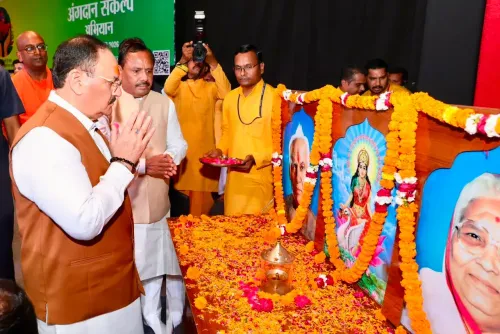
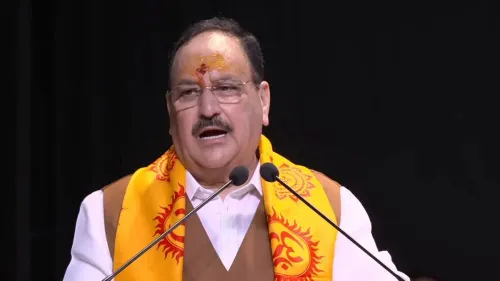
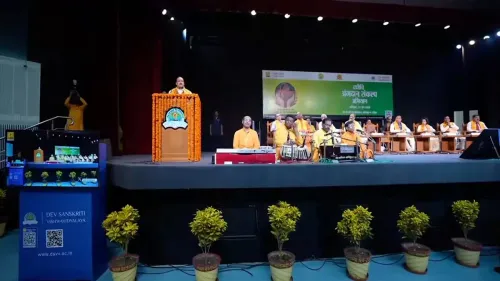
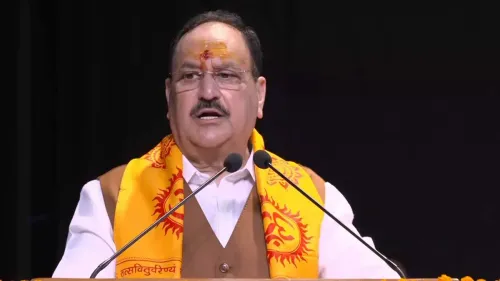
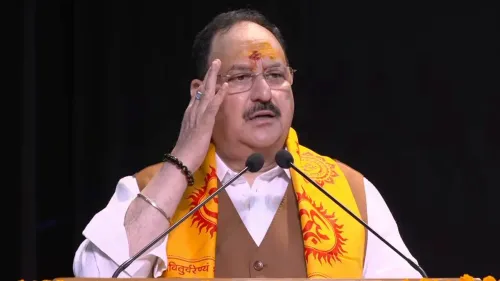
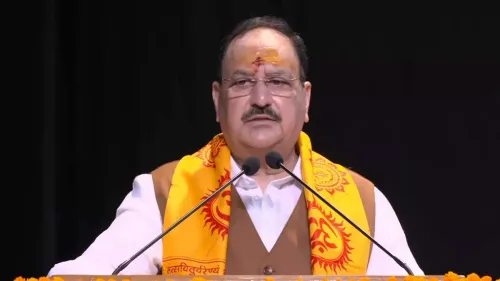
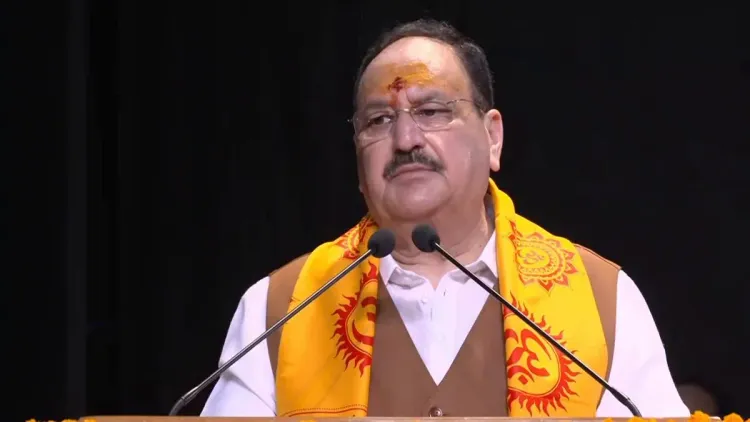
Union Health Minister J. P. Nadda on Saturday, 27 June 2026 highlighted the organ donation provisions under the Pradhan Mantri Jan-Arogya Yojana (PM-JAY) and welcomed what he described as a historic wave of enthusiasm for organ donation across India, specifically crediting the Gayatri Pariwar movement for adding fresh momentum to the national campaign.
Context
Posting on X, Nadda wrote: 'Pradhan Mantri Jan-Arogya Yojana ke antargat kidney, hriday aur phephdon ke donation ke pravdhan hain' — 'Under the Pradhan Mantri Jan-Arogya Yojana, there are provisions for the donation of kidneys, hearts and lungs.' He added that India is witnessing 'historic enthusiasm' around organ donation, and that the Gayatri Pariwar's movement will give 'new momentum' to this campaign.
The statement comes as civil society organisations and spiritual bodies have increasingly stepped in to address deep-rooted cultural hesitations around deceased organ donation in India. The minister's public endorsement of the Gayatri Pariwar initiative signals the government's intent to leverage trusted community institutions to shift public behaviour.
Policy Backdrop
Ayushman Bharat PM-JAY, launched in 2018, is India's flagship national health insurance scheme providing up to Rs 5 lakh annual coverage per family for secondary and tertiary care, including select transplant procedures. The scheme is designed to reduce the financial burden on families requiring critical interventions such as kidney, heart and lung transplants.
The policy architecture supporting organ donation has been built over more than a decade. The National Organ and Tissue Transplant Organisation (NOTTO) was established in 2014 to coordinate organ donation and allocation at the national level. Before that, the Transplantation of Human Organs and Tissues Act was amended in 2011 to expand the donor pool and streamline transplant procedures. Together, these measures form the scaffolding within which the current awareness push operates.
Stakeholders and Impact
India's deceased organ donation rate remains critically low — under 1 per million population — even as the country carries a substantial burden of kidney, liver and heart failure. This gap between the supply of donated organs and the need for transplants leaves thousands of patients on waiting lists with limited options.
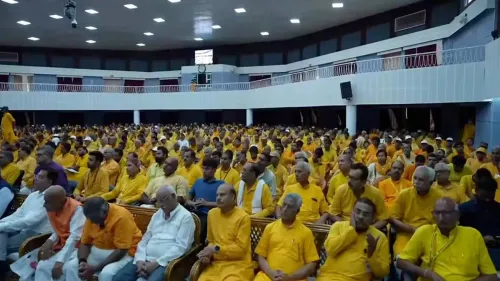
The Gayatri Pariwar, founded by Pt. Shriram Sharma Acharya, is one of India's most recognised spiritual and social reform movements, with a wide volunteer network across states. Its formal engagement in organ donation awareness is seen as significant precisely because religious and community organisations carry credibility in addressing ethical and cultural concerns that government messaging alone often cannot overcome.
For patients awaiting kidney, heart or lung transplants, any sustained increase in voluntary pledges and actual donations could translate directly into lives saved. State health agencies administering PM-JAY packages are the key operational link between policy intent and patient access to transplant care.
What's Next
Observers will watch for concrete follow-through: whether PM-JAY state health agencies roll out expanded or more explicit transplant benefit packages, and whether the Gayatri Pariwar campaign generates measurable increases in organ donation pledges at the district level. Any legislative update to the 2011 Transplantation of Human Organs and Tissues Act — to further widen the donor pool or simplify consent procedures — would be the next significant policy milestone. The government's ability to sustain this momentum beyond a single awareness cycle will be the true test of whether India can meaningfully close the gap between organ demand and supply.
Point of View
A gap that policy alone has failed to bridge over two decades. By anchoring the message in PM-JAY's transplant provisions, he simultaneously reinforces the scheme's breadth ahead of what is likely a renewed outreach cycle. The framing of 'historic enthusiasm' also serves a nudge function: public declarations of momentum can themselves catalyse further pledges through social proof. The real test will be whether this political endorsement translates into sustained institutional follow-through at the state level, where transplant logistics and PM-JAY implementation actually live.
NationPress
27 Jun 2026
Frequently Asked Questions
Does Ayushman Bharat PM-JAY cover organ transplants?
PM-JAY includes provisions for kidney, heart and lung donation and transplant-related procedures as part of its secondary and tertiary care coverage of up to Rs 5 lakh per family per year, as confirmed by Union Health Minister J. P. Nadda.
What is the Gayatri Pariwar organ donation campaign?
The Gayatri Pariwar, a prominent Indian spiritual and social reform organisation founded by Pt. Shriram Sharma Acharya, has been running an organ donation awareness movement. Union Health Minister J. P. Nadda credited it with giving new momentum to India's national organ donation campaign.
What is India's organ donation rate?
India's deceased organ donation rate remains under 1 per million population, one of the lowest in the world, even as demand from patients with kidney, liver and heart failure is very high.
What is NOTTO and what does it do?
The National Organ and Tissue Transplant Organisation (NOTTO) was established in 2014 as India's nodal body to coordinate organ donation, allocation and transplantation across the country.
What law governs organ donation in India?
The Transplantation of Human Organs and Tissues Act, last amended in 2011, is the primary law governing organ donation in India. The 2011 amendment expanded the donor pool and simplified transplant procedures.