Nadda marks 12 years of Modi govt, cites shift in political culture
Synopsis
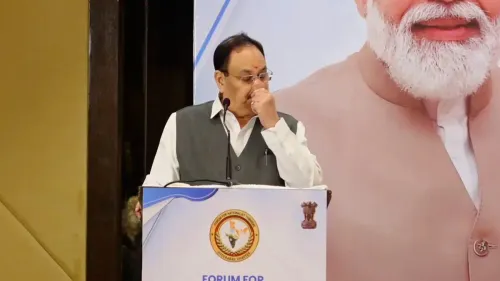
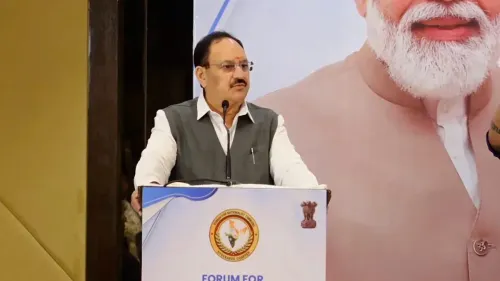
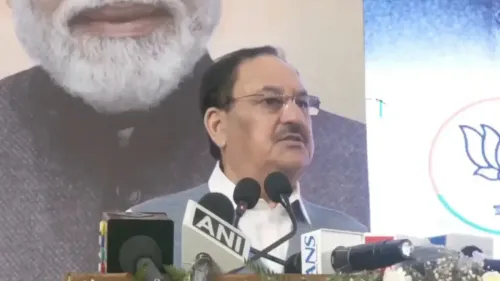
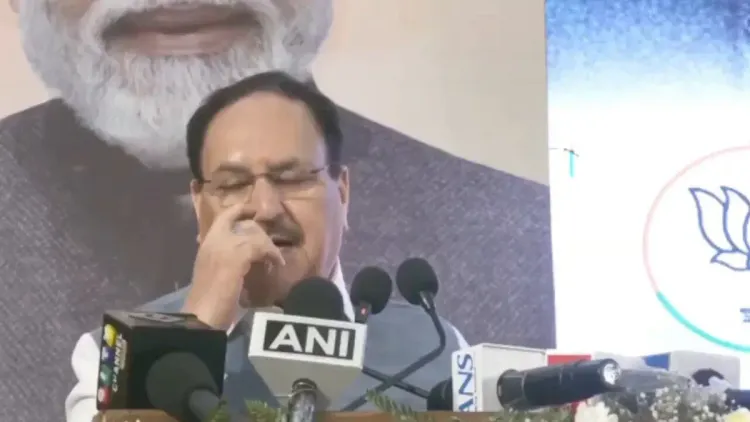
Union Health Minister and BJP president J. P. Nadda marked 12 years of PM Narendra Modi's government on June 12, 2026, arguing that the defining change was not material alone but a fundamental transformation of India's political culture and tradition under Modi's leadership.
Key Takeaways
Nadda posted on June 12, 2026 under the hashtag #12YearsOfSeva to mark over a decade of PM Modi 's government.
Nadda acknowledged that the ordinary citizen's material conditions may not change automatically, but argued the real shift was in political culture.
He credited PM Modi with transforming India's 'rajnitik sanskriti' (political culture) and 'rawayat' (tradition).
The post aligns with a longstanding BJP communication strategy that contrasts pre-2014 governance with the current administration's record.
As BJP national president , Nadda's message also serves as a cadre-mobilisation signal ahead of upcoming electoral cycles.
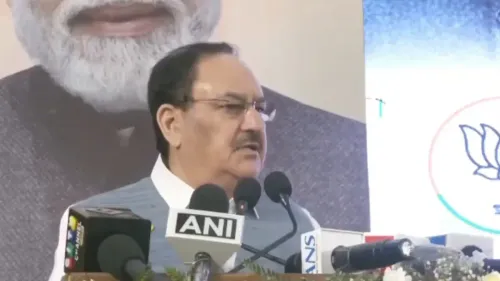
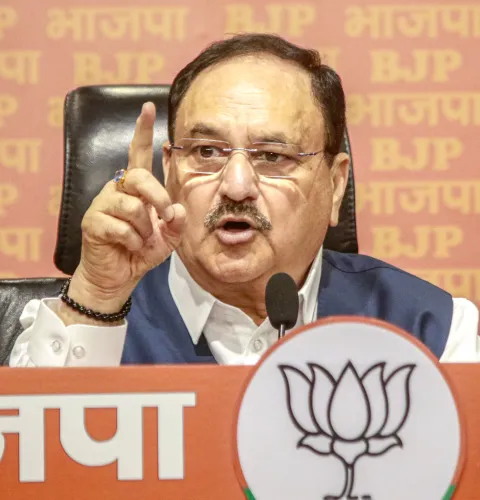
Union Health Minister and BJP national president J. P. Nadda on Friday, June 12, 2026, invoked the #12YearsOfSeva hashtag to mark over a decade of Prime Minister Narendra Modi's government, arguing that the period had fundamentally transformed India's political culture rather than merely improving administrative outcomes.
Context
Posting in Hindi, Nadda framed his message as a question and answer: 'इन 12 वर्षों में क्या अंतर आया है?' ('What difference have these 12 years made?'). He acknowledged that the material circumstances of the 'ordinary person who participates in democracy and forms governments' might appear unchanged on the surface, adding, 'यह तो ऐसा ही रहने वाला है, कुछ नहीं बदलने वाला है' ('This was always going to remain so; nothing was going to change on its own').
The post then pivots to what Nadda describes as the real transformation: that Prime Minister Modi has altered the country's political culture and tradition — 'देश की राजनीतिक संस्कृति, रवायत' — and that this shift must be understood and appreciated.
Policy Backdrop
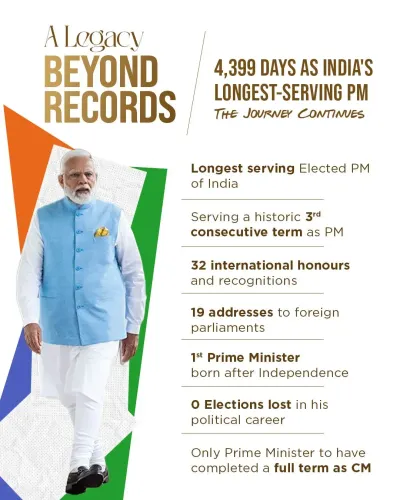
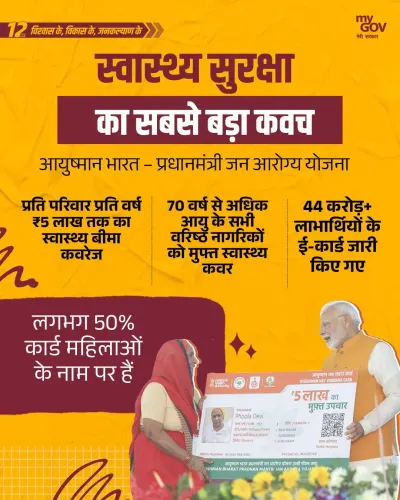
The BJP-led NDA government first came to power in May 2014, with Narendra Modi taking office as Prime Minister after a campaign centred on ending policy paralysis and delivering good governance. The party secured a second consecutive majority in 2019, reinforcing its mandate on governance reform. Flagship programmes such as Swachh Bharat Abhiyan, direct-benefit transfer schemes, and technology-enabled public service delivery have been central to the government's self-narrative over this period.
BJP messaging around governance anniversaries has consistently drawn a contrast between the pre-2014 era — characterised by coalition pressures and high-profile corruption allegations — and what the party describes as a culture of accountability and citizen-centric administration since. Nadda's post fits squarely within this recurring communication pattern.
Stakeholders and Impact
The post is addressed implicitly to the ordinary voter — the 'sadharan vyakti' (common person) — who, Nadda suggests, is the intended beneficiary of this cultural shift in politics. By acknowledging that structural poverty or social conditions do not change overnight, Nadda positions the change as one of political intent and institutional culture rather than of immediate material outcomes.
As BJP national president, Nadda's framing also serves an internal party-communication function, reinforcing cadre morale and providing a talking point for workers ahead of state assembly election cycles where governance record is a key campaign theme.
What's Next
The #12YearsOfSeva hashtag signals a coordinated party-wide social media push that is likely to continue through the anniversary period, with other BJP leaders expected to amplify similar messaging. Parliamentary debates on governance reforms and upcoming state assembly contests will test whether this narrative of transformed political culture resonates with voters beyond the party's existing base. The broader question Nadda raises — whether a change in political culture translates into measurable change in citizens' lives — is one that will continue to frame electoral discourse in the months ahead.
Point of View
He concedes that the ordinary citizen's baseline condition is structurally persistent — and then reframes the decade's achievement as a cultural and institutional one. This is a more sophisticated political argument than a simple list of achievements, and it reflects the BJP's evolving messaging as it moves from a first-term reform mandate to a longer-term civilisational-change narrative. The invocation of 'political culture' over 'deliverables' suggests the party is consciously positioning Modi's legacy in terms of norms and institutional behaviour, not just policy outputs. Whether that framing persuades voters who measure governance in terms of jobs, prices, and services will be the central tension in the electoral battles ahead.
NationPress
20 Sept 2026
Frequently Asked Questions
What is the #12YearsOfSeva hashtag about?
#12YearsOfSeva is a BJP social media campaign marking 12 years of Prime Minister Narendra Modi's government since it first came to power in May 2014. Party leaders including J. P. Nadda have used it to highlight what they describe as a transformation in India's political culture and governance under Modi.
What did JP Nadda say about Modi's 12 years in government?
J. P. Nadda said that while the material circumstances of the ordinary citizen may not change on their own, the defining difference of the past 12 years is that PM Modi fundamentally changed India's political culture and tradition, which he argued must be understood and appreciated.
When did the Modi government complete 12 years in power?
The BJP-led NDA government under Narendra Modi first took office in May 2014. The 12-year mark falls in 2026, which the party is marking with the #12YearsOfSeva campaign.
What does BJP mean by 'political culture change' under Modi?
BJP leaders argue that since 2014, governance has shifted from coalition-era policy paralysis and corruption to direct welfare delivery, technology-enabled administration, and a culture of accountability — a change they describe as a transformation in political culture rather than just policy.