Nadda pays tribute to Swami Vivekananda on Nirvan Diwas
Synopsis
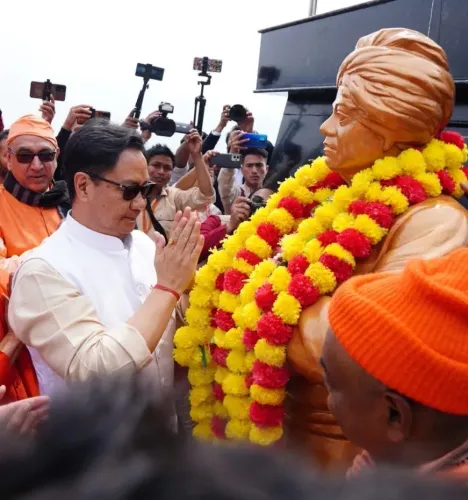
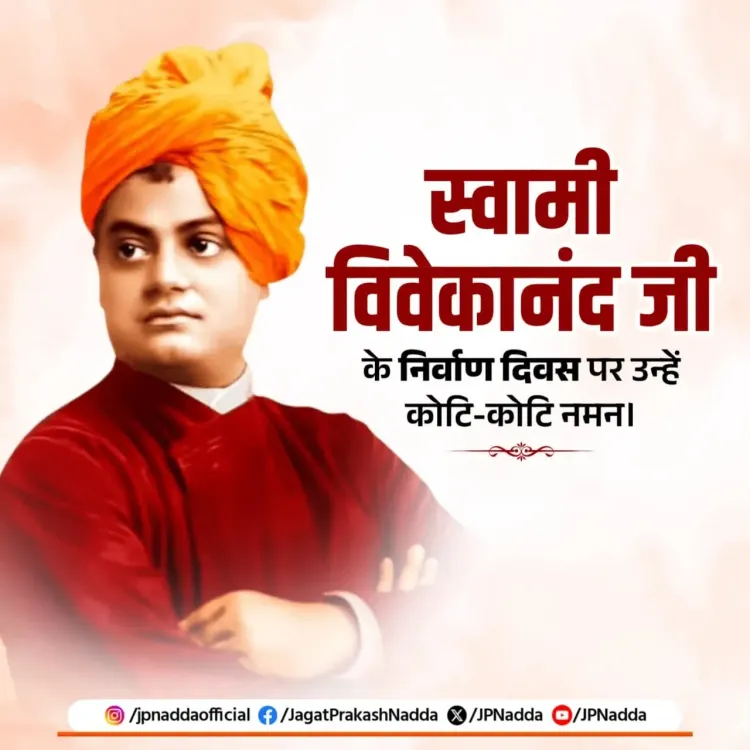
Union Health Minister J. P. Nadda on 4 July 2026 paid tribute to Swami Vivekananda on his Nirvan Diwas, honouring the 19th-century monk's legacy of spreading Indian civilisational values globally, inspiring crores of youth toward self-confidence, patriotism and humanitarian service.
Key Takeaways
Nadda , Union Health Minister and BJP national president, paid tribute to Swami Vivekananda on 4 July 2026 , his Nirvan Diwas.
Nadda described Vivekananda as a yugadrashta (seer of the age) who carried the message of Indian culture to the entire world.
Swami Vivekananda founded the Ramakrishna Mission in 1897 , which continues humanitarian, educational and healthcare work globally.
Vivekananda's landmark address at the Parliament of the World's Religions, Chicago (1893) introduced Vedanta and Yoga to the West.
The Government of India has observed National Youth Day on 12 January since 1984 to mark Vivekananda's birth anniversary.
BJP leaders regularly invoke Vivekananda's themes of cultural nationalism, self-reliance and service in public discourse.
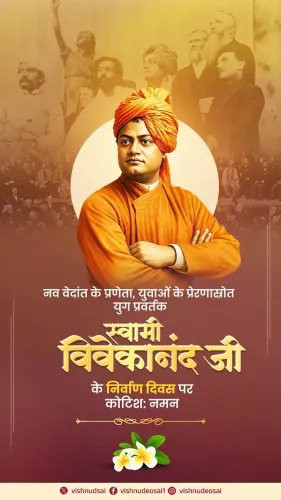
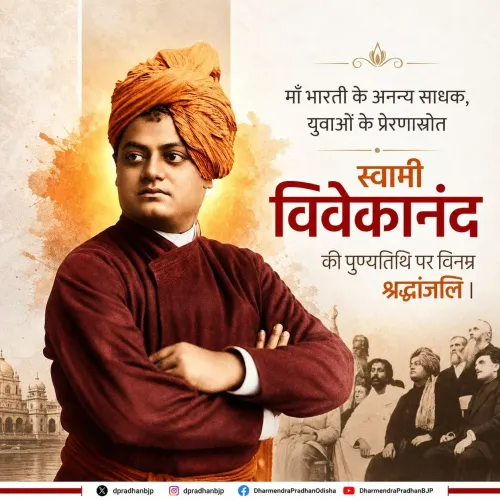
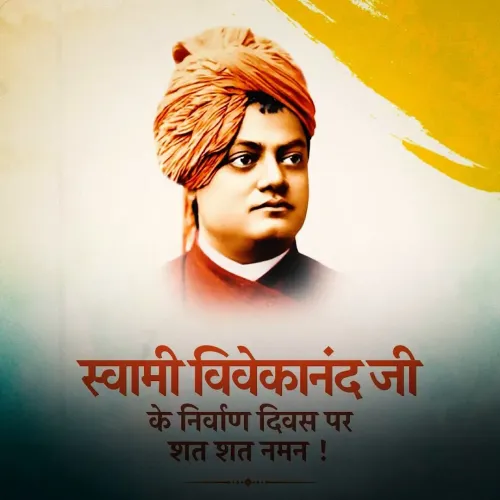
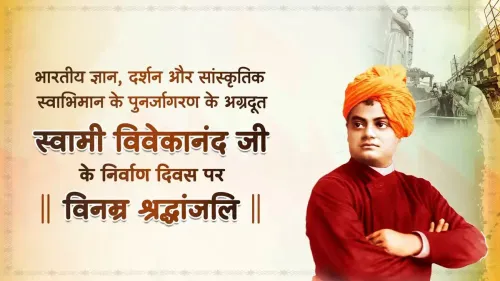
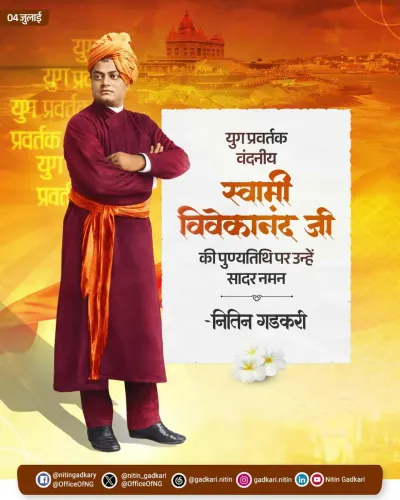
Union Health Minister and BJP national president J. P. Nadda on Saturday, 4 July 2026 paid homage to Swami Vivekananda on the occasion of the monk's Nirvan Diwas (death anniversary), saluting his role in carrying the message of Indian civilisation to the world and inspiring generations of youth toward self-confidence, patriotism and service.
Context
Nadda's post, written in Hindi, offered kotishah naman (countless salutations) to Vivekananda, describing him as a yugadrashta (seer of the age) and a source of inspiration for youth. He wrote that Vivekananda 'carried the message of the greatness of Indian culture to the entire world through his unparalleled knowledge, vigorous personality and nationalist thought, and awakened in the minds of crores of youth a sense of self-confidence, patriotism and service to humanity, showing the direction of nation-building.'
The tribute also noted that Vivekananda's 'inspiring thoughts, ideals and life-philosophy will always continue to motivate us to remain on the path of service to humanity, upliftment of the nation and welfare of the world.'
Policy Backdrop
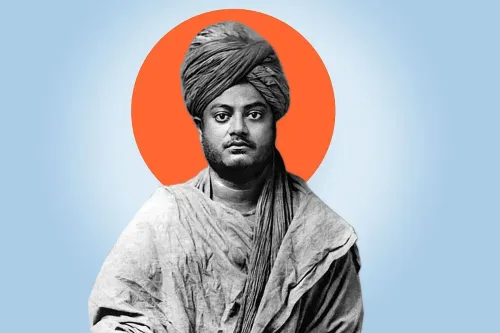
Swami Vivekananda was born on 12 January 1863 and died on 4 July 1902, making 4 July his Nirvan Diwas. He founded the Ramakrishna Mission in 1897, an organisation that continues to run schools, hospitals and humanitarian relief programmes across India and abroad.
Vivekananda is widely remembered for his address at the Parliament of the World's Religions in Chicago in 1893, where he introduced Vedanta and Yoga to a Western audience and spoke on universal tolerance. The Government of India has observed National Youth Day on 12 January every year since 1984 to mark his birth anniversary, institutionalising his legacy in public life.
Stakeholders and Impact
BJP leaders have consistently invoked Vivekananda's legacy in public discourse, drawing on themes of cultural nationalism, self-reliance and humanitarian service that align with the party's broader ideological framework. These tributes connect contemporary governance narratives to India's pre-independence spiritual heritage.
Organisations such as the Ramakrishna Mission and various youth bodies regard such official commemorations as recognition of Vivekananda's enduring social and educational contributions. For millions of young Indians, Vivekananda remains a touchstone for questions of identity, purpose and civic responsibility.
What's Next
Government and institutional references to Vivekananda are expected to intensify around National Youth Day on 12 January each year, when policy announcements and cultural programmes are frequently anchored to his legacy. Observers will watch whether Nadda's ministry links any forthcoming youth-health or community-service initiatives to Vivekananda's philosophy of humanitarian work, a pattern seen in previous BJP-led commemorations.
Point of View
Youth inspiration and humanitarian service, the tribute serves multiple registers simultaneously — cultural, political and social. The invocation of Vivekananda on his death anniversary, rather than only on the institutionalised National Youth Day, signals a year-round effort to keep this ideological touchstone visible. For the health ministry specifically, the reference to 'service to humanity' subtly echoes welfare-state messaging around public health and community care.
NationPress
2 Oct 2026
Frequently Asked Questions
Why is 4 July observed as Swami Vivekananda's Nirvan Diwas?
4 July is observed as Swami Vivekananda's Nirvan Diwas because he passed away on 4 July 1902 at the age of 39 in Belur Math, West Bengal.
What did J. P. Nadda say about Swami Vivekananda?
Nadda said Vivekananda carried the message of Indian culture to the entire world through his unparalleled knowledge and nationalist thought, and awakened in crores of youth a sense of self-confidence, patriotism and service to humanity.
What is the Ramakrishna Mission and who founded it?
The Ramakrishna Mission is a spiritual and humanitarian organisation founded by Swami Vivekananda in 1897 . It runs schools, hospitals and relief programmes across India and internationally.
When is National Youth Day observed in India and why?
National Youth Day is observed on 12 January every year since 1984 to mark Swami Vivekananda's birth anniversary, recognising his enduring inspiration for Indian youth.
What was Swami Vivekananda's famous speech about?
Vivekananda's landmark address at the Parliament of the World's Religions in Chicago in 1893 introduced Vedanta and Yoga to a Western audience and championed universal tolerance and the harmony of religions.