Nagaland CM Rio Calls on Finance Minister Sitharaman
Synopsis
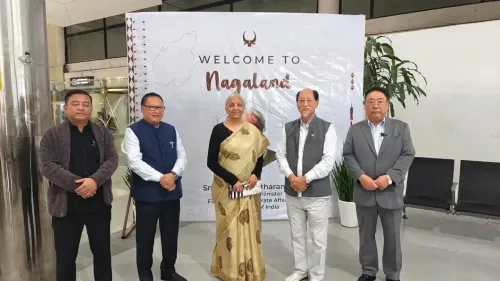
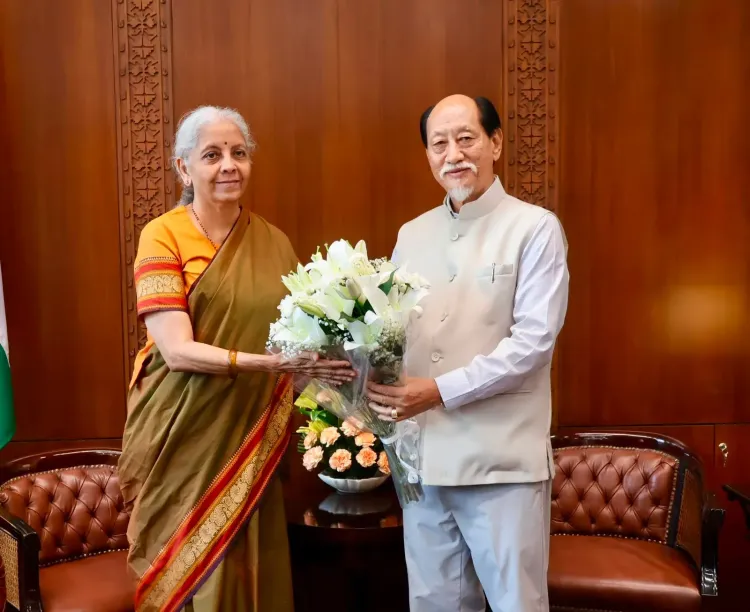
Nagaland Chief Minister Neiphiu Rio called on Union Finance Minister Nirmala Sitharaman in New Delhi on 16 July 2026. The meeting is part of routine fiscal federalism consultations between the Centre and Northeastern states, covering central transfers, infrastructure funding, and centrally sponsored schemes critical to Nagaland's development.
Key Takeaways
Nagaland Chief Minister Neiphiu Rio met Union Finance Minister Nirmala Sitharaman in New Delhi on 16 July 2026 .
The meeting is part of routine Centre-state fiscal federalism consultations that cover grants, devolution, and centrally sponsored schemes.
Nagaland holds special constitutional status under Article 371A and is heavily dependent on central financial assistance.
The Fifteenth Finance Commission had recommended enhanced devolution and special grants for Northeastern states to address developmental gaps.
The North East Special Infrastructure Development Scheme (NESIDS) is among the key central mechanisms supporting Nagaland's infrastructure needs.
Outcomes of the meeting will likely be reflected in forthcoming Union Budget provisions or Sixteenth Finance Commission deliberations.
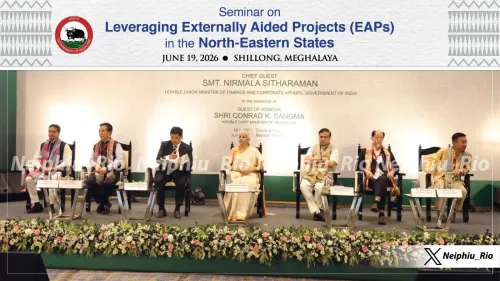
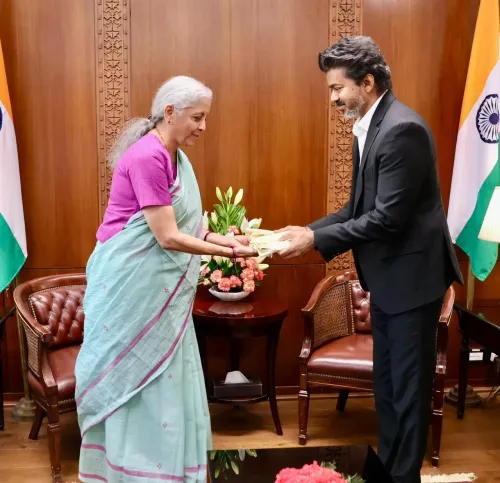
Union Finance Minister Nirmala Sitharaman received Nagaland Chief Minister Neiphiu Rio at her office in New Delhi on Thursday, 16 July 2026, in a bilateral meeting that reflects the ongoing fiscal federalism consultations between the Union government and Northeastern states.
Context
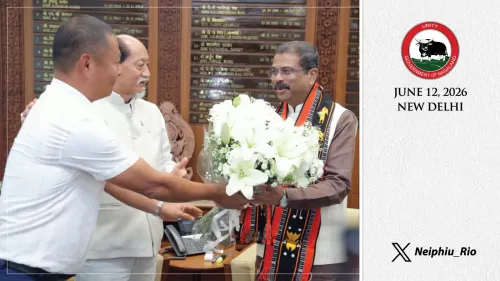
Chief Minister Neiphiu Rio, who leads the Nationalist Democratic Progressive Party (NDPP) government in Nagaland, made a courtesy call on the Finance Minister as part of the routine engagement between state governments and the Union Finance Ministry. Such meetings typically cover state-specific fiscal concerns, the flow of central transfers, and the status of centrally sponsored schemes.
Nagaland enjoys special constitutional safeguards under Article 371A, which protects the customary law and practices of the Naga people. The state is heavily dependent on central assistance given its difficult terrain, limited revenue base, and a long history of insurgency that has constrained economic development.
Policy Backdrop
The Fifteenth Finance Commission had recommended enhanced devolution and special grants for Northeastern states to help bridge persistent developmental gaps. Nagaland has been a consistent beneficiary of differentiated fiscal treatment through mechanisms such as the North East Special Infrastructure Development Scheme (NESIDS), which funds critical infrastructure in the region.
Meetings between state chief ministers and the Union Finance Minister are a standard feature of India's fiscal federalism architecture, allowing state governments to directly engage on issues ranging from Goods and Services Tax (GST) compensation and disaster relief to capital expenditure grants and scheme implementation timelines. For Northeastern states, these consultations carry added weight given their strategic location and the Union government's stated priority of accelerating development in the region.
Stakeholders and Impact
The immediate stakeholders are the Nagaland state government and the communities that depend on central funds for infrastructure, healthcare, and education. Broader Northeastern states also watch such meetings closely, as policy decisions or precedents set for one hill state often influence allocations and frameworks for the entire region.
Civil society groups engaged in the ongoing Naga peace process may also have an indirect interest, as sustained central funding is seen as critical to maintaining momentum on development commitments made in the context of peace negotiations. The Finance Ministry's responsiveness to state-level concerns is therefore read both as a fiscal and a political signal.
What's Next
Attention will now turn to the upcoming Union Budget cycle and the recommendations of the Sixteenth Finance Commission, which will determine Nagaland's share of central tax devolution and special grants for the next five-year period. Any specific commitments or follow-up actions arising from this meeting would be reflected in budget documents or official Ministry communications. The broader trajectory of Northeast India development spending remains a key indicator of how the Centre-state fiscal relationship evolves for the region.
Point of View
Geopolitically sensitive, and fiscally dependent on New Delhi — direct access to the Finance Minister is a critical channel for influencing budget allocations and scheme priorities. The timing, ahead of the next Finance Commission cycle, adds strategic weight to what might appear a ceremonial call. It also signals the Centre's continued engagement with the Northeast as both a development priority and a political constituency.
NationPress
16 Jul 2026
Frequently Asked Questions
Why did Nagaland CM Neiphiu Rio meet Finance Minister Nirmala Sitharaman?
Chief Minister Neiphiu Rio called on Finance Minister Nirmala Sitharaman as part of routine fiscal federalism consultations, which typically cover central grants, devolution of taxes, and the status of centrally sponsored schemes in Nagaland.
What is Article 371A and how does it affect Nagaland's finances?
Article 371A of the Indian Constitution grants special protections to Nagaland's customary laws and practices. It also underpins the state's case for differentiated fiscal treatment, as the Centre recognises Nagaland's unique political and developmental context in allocating funds.
What central schemes does Nagaland benefit from?
Nagaland benefits from the North East Special Infrastructure Development Scheme (NESIDS), enhanced Finance Commission grants for Northeastern states, and various centrally sponsored schemes covering roads, health, and education.
What is the Sixteenth Finance Commission and why does it matter for Nagaland?
The Sixteenth Finance Commission will determine the formula for sharing central tax revenues with states for the next five-year period. For Nagaland, its recommendations on special grants and devolution shares are crucial given the state's limited own-revenue generation.
How often do state chief ministers meet the Union Finance Minister?
Meetings between state chief ministers and the Union Finance Minister are a regular feature of Indian governance, occurring ahead of budget cycles, during fiscal stress, or when states seek to flag specific funding concerns directly to the Centre.