Uttarakhand CM Office: Women Learn Embroidery in Nainital
Synopsis
The Chief Minister's Office of Uttarakhand on 24 June 2026 highlighted women in Nainital district advancing toward self-reliance through embroidery training on clothing, underscoring the state's alignment with national Vocal for Local and skill development frameworks.
Key Takeaways
The Chief Minister's Office of Uttarakhand posted on 24 June 2026 about women in Nainital district pursuing self-reliance through embroidery training.
The initiative aligns with the national Vocal for Local campaign under the Atmanirbhar Bharat framework.
National scaffolding includes the Pradhan Mantri Kaushal Vikas Yojana (2015) and the National Skill Development Mission (2013).
Nainital has a traditional hand embroidery craft heritage that state programmes seek to preserve and commercialise.
Uttarakhand has been integrating craft-based skill training into its women's self-help group ecosystem since 2020 .
Programme outcomes and possible expansion are expected to feature in the state's upcoming skill development budget reviews.
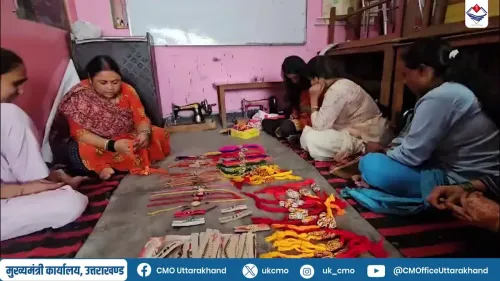
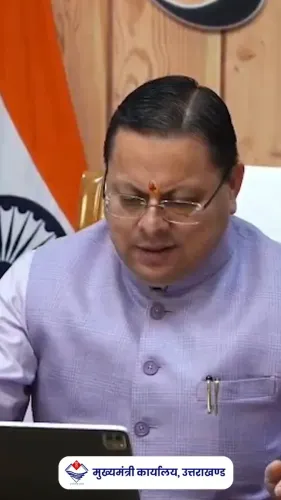
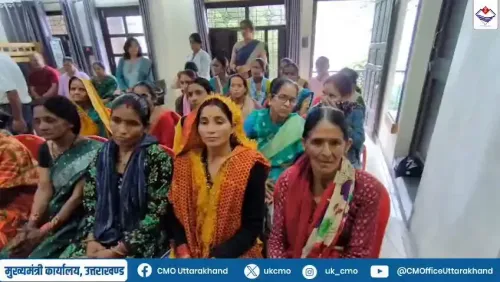
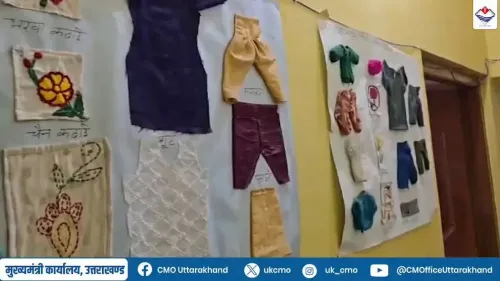
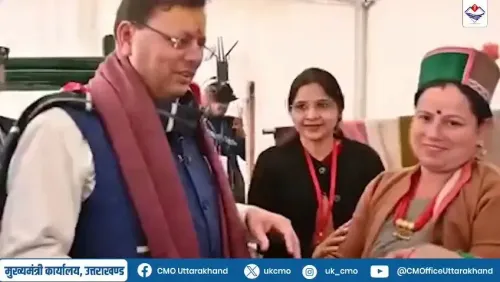
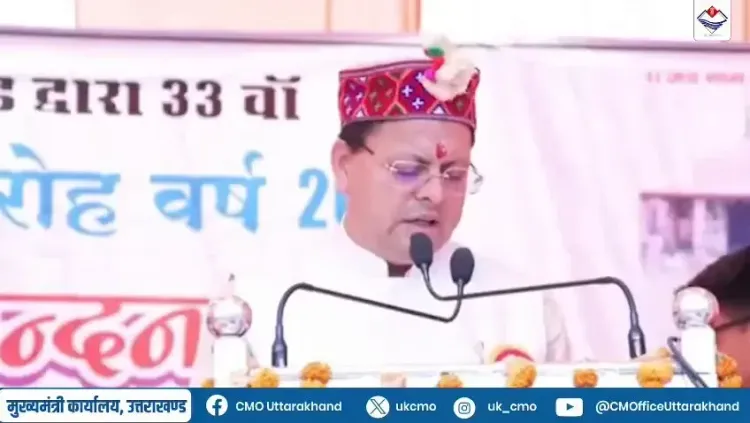
The Chief Minister's Office of Uttarakhand highlighted on Wednesday, 24 June 2026 that women in Nainital district are advancing toward self-reliance through embroidery skill training on clothing, sharing the initiative as part of the state's ongoing women empowerment drive.
The post, shared with hashtags including #WomenEmpowerment, #SkillDevelopment, and #VocalForLocal, stated in Hindi: 'जनपद नैनीताल में कपड़ों की कढ़ाई के प्रशिक्षण से आत्मनिर्भरता की राह पर बढ़ रही महिलाएं' — meaning 'Women in Nainital district are walking the path of self-reliance through training in embroidery on clothing.'
Context
Nainital is a district in Uttarakhand with a long tradition of hand embroidery crafts practiced by local communities alongside its well-known tourism economy. Skill training in traditional crafts has been positioned by state authorities as a pathway for rural women to generate independent income without relocating from their home districts. The CMO's post, accompanied by a video, draws public attention to women participants in such a programme.
Policy Backdrop
Uttarakhand has woven embroidery and handicraft training into its broader women empowerment agenda, aligning with the national Vocal for Local campaign under the Atmanirbhar Bharat framework, which promotes locally produced goods and traditional skills. The Pradhan Mantri Kaushal Vikas Yojana, launched in 2015, provides a national scaffolding for such state-level vocational programmes, while the National Skill Development Mission, established in 2013, coordinates delivery between the Centre and states including Uttarakhand. These frameworks have enabled state governments to channel funding toward non-farm skill tracks for women in hilly and semi-rural regions.
Since 2020, Uttarakhand has increasingly integrated traditional craft training into its self-help group ecosystem, aiming to improve rural household incomes through handicraft production. The approach mirrors similar efforts in other Himalayan states that focus on women in non-farm sectors as a hedge against seasonal agricultural income.
Stakeholders and Impact
Rural women and local artisans in Nainital are the direct beneficiaries of embroidery training initiatives of this kind. By acquiring a marketable, craft-based skill, participants can sell finished products locally or through state-supported artisan networks, reducing dependence on a single household income. The Vocal for Local push also creates a potential consumer base that values and seeks out traditionally crafted Indian textiles, improving the commercial viability of what participants produce.
Beyond individual households, such programmes contribute to preserving regional craft traditions that might otherwise decline as younger populations shift toward urban employment. Strengthening this sector also supports the broader tourism economy of Nainital, where handicrafts are a draw for visitors.
What's Next
State-level reviews of training centre outcomes and possible programme expansion are expected to feature in Uttarakhand's annual skill development budget deliberations. The visibility given to the Nainital embroidery initiative by the Chief Minister's Office suggests it may serve as a model for replication in other districts with similar craft traditions. Continued alignment with central schemes will determine the scale and longevity of such efforts across the state.
Point of View
Lending it greater political salience. The focus on Nainital — a high-visibility tourist district — also suggests a strategic choice to showcase craft revival where it intersects with consumer demand. If the state follows through with documented outcome data, this could strengthen the case for scaling similar programmes to less-visible hill districts.
NationPress
22 Sept 2026
Frequently Asked Questions
What is the embroidery training programme for women in Nainital?
The programme provides skill training in clothing embroidery to women in Nainital district, Uttarakhand, aimed at enabling them to earn independent incomes through traditional crafts and aligning with the national Vocal for Local campaign.
Which government scheme supports women skill training in Uttarakhand?
The Pradhan Mantri Kaushal Vikas Yojana (2015) and the National Skill Development Mission (2013) provide the national framework, while Uttarakhand runs state-level programmes integrating craft training with women's self-help groups.
What is Vocal for Local and how does it relate to this initiative?
'Vocal for Local' is a national campaign under Atmanirbhar Bharat that promotes locally produced goods and traditional skills. The Nainital embroidery training directly supports this goal by helping women produce and sell locally crafted textiles.
Why is Nainital significant for embroidery craft training?
Nainital has a long tradition of hand embroidery practiced by local communities, making it a natural base for craft-based skill development that can also serve the district's tourism-driven consumer market.
Will the Uttarakhand embroidery training expand to other districts?
State-level reviews of training outcomes are expected in upcoming skill development budget discussions, and the Chief Minister's Office visibility given to the Nainital programme suggests it could serve as a model for other districts with similar craft traditions.