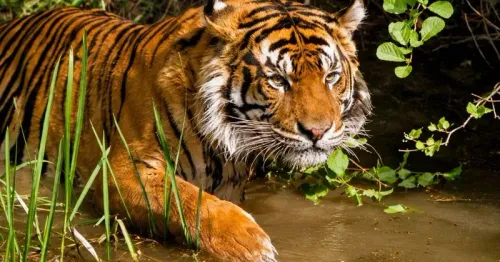
Assam tiger conservation: Nameri reserve sees fourfold population rise

Synopsis
Assam's Nameri Tiger Reserve quietly went from 3 tigers to 12 — a fourfold jump that CM Himanta Biswa Sarma is now holding up as proof that technology-driven, intelligence-led anti-poaching works. On International Tiger Day, Assam is making a case for its model to be studied, not just celebrated.
Key Takeaways
Assam CM Himanta Biswa Sarma declared the state a leading national model in tiger conservation on International Tiger Day, 29 July .
Nameri Tiger Reserve recorded a fourfold rise in tiger numbers, growing from 3 to 12 tigers.
Conservation gains attributed to anti-poaching operations, wildlife corridor protection, habitat restoration, and technology-based surveillance.
Assam has four notified tiger reserves : Kaziranga , Manas , Orang , and Nameri .
Sarma called on the public to renew commitment to protecting the Royal Bengal Tiger and preserving ecological balance.
Assam has emerged as one of India's foremost models in tiger conservation, Chief Minister Himanta Biswa Sarma said on Wednesday, 29 July, attributing the state's steady rise in Royal Bengal Tiger numbers to sustained anti-poaching drives, habitat protection, and technology-driven surveillance. The remarks came on the occasion of International Tiger Day.
Nameri Tiger Reserve's Fourfold Leap
The Chief Minister spotlighted the Nameri Tiger Reserve as Assam's standout conservation achievement in recent years. According to Sarma, the reserve has recorded a fourfold increase in its tiger population — rising from just three tigers to 12. He described the turnaround as a direct result of scientific management practices and coordinated protection measures deployed by the state's Forest Department.
What Is Driving the Recovery
Sarma credited a multi-pronged approach for the improvement: intelligence-based anti-poaching operations, safeguarding of wildlife corridors, habitat restoration, enhanced patrolling, and the adoption of technology-based monitoring systems. He said these measures have collectively strengthened the survival prospects of tigers while maintaining healthy forest ecosystems across Assam's protected areas.
Assam's Four Tiger Reserves
Assam is home to four notified tiger reserves — Kaziranga, Manas, Orang, and Nameri. Sarma said all four continue to function as secure and thriving habitats for the Royal Bengal Tiger, one of India's flagship wildlife species. 'From Kaziranga and Manas to Orang and Nameri, our tiger reserves continue to stand as secure habitats for the Royal Bengal Tiger. Let us renew our collective commitment to protecting these magnificent animals and preserving the ecological balance of our forests,' he said in a post on X.
Broader Conservation Message
Beyond the numbers, Sarma underlined the ecological significance of protecting apex predators, calling them essential to maintaining biodiversity and forest balance. He urged continued public participation in wildlife conservation initiatives. Notably, Assam's conservation push mirrors a broader national trend: India's overall tiger count has grown significantly over the past two decades under Project Tiger, with the country now home to the world's largest wild tiger population.
With International Tiger Day serving as an annual checkpoint for conservation commitments, Assam's reported gains — particularly at Nameri — are likely to draw attention from wildlife managers and policymakers looking to replicate the state's model in other tiger-range states.
Point of View
But one reserve's recovery does not a state-wide trend make — Assam's overall tiger numbers across all four reserves still need independent verification through the next all-India tiger census. Sarma's framing of Assam as a 'stellar model' is politically convenient ahead of wildlife funding cycles, and the emphasis on technology-driven surveillance, while welcome, sidesteps the harder question of human-wildlife conflict in buffer zones, where local communities bear the real cost of conservation. The story here is promising, but it needs numbers beyond Nameri to be conclusive.
NationPress
28 Oct 2026
Frequently Asked Questions
What is the current tiger population at Nameri Tiger Reserve in Assam?
According to Chief Minister Himanta Biswa Sarma, Nameri Tiger Reserve now has 12 tigers, up from just 3 — a fourfold increase that he described as one of Assam's biggest conservation achievements in recent years.
Which tiger reserves does Assam have?
Assam has four notified tiger reserves: Kaziranga, Manas, Orang, and Nameri. All four are considered active habitats for the Royal Bengal Tiger.
What measures have driven tiger population growth in Assam?
Assam's recovery has been driven by intelligence-based anti-poaching operations, protection of wildlife corridors, habitat restoration, enhanced patrolling, and the deployment of technology-based monitoring systems, according to the state government.
Why is International Tiger Day significant for Assam?
International Tiger Day, observed on 29 July, is an annual platform for states to report conservation progress. Assam used the occasion in 2025 to highlight Nameri's fourfold tiger increase and position its multi-pronged conservation model as a replicable example for other tiger-range states.
What did CM Himanta Biswa Sarma say about tiger conservation on X?
Sarma posted on X: 'On International Tiger Day, we celebrate the remarkable success of India's tiger conservation strategy, with Assam emerging as a stellar model of habitat management and wildlife protection.' He also called on citizens to renew their collective commitment to protecting the Royal Bengal Tiger.