Pakistan a 'courier service', not mediator in Iran-US war: Gen Naravane
Synopsis
India's former Army chief Gen M.M. Naravane has delivered a sharp rebuke of Pakistan's mediator claims in the Iran-US war, calling Islamabad a 'courier service' rather than a genuine interlocutor. The remark strips away Pakistan's diplomatic branding at a moment when it is actively seeking regional relevance — and signals how New Delhi reads Islamabad's actual leverage.
Key Takeaways
Naravane called Pakistan a 'courier service', not a genuine mediator in the Iran-US conflict , on 6 June in Kolkata .
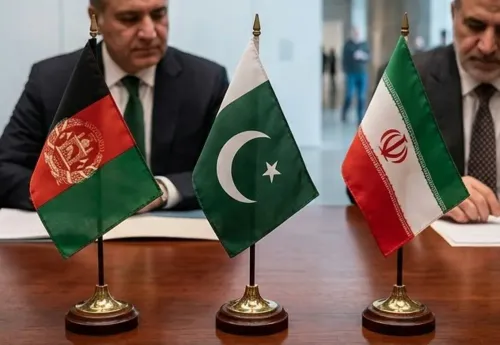
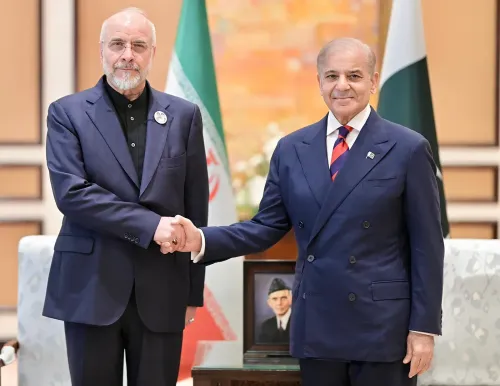
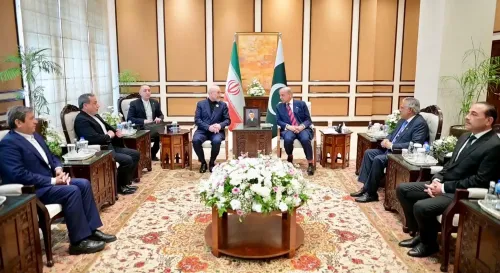
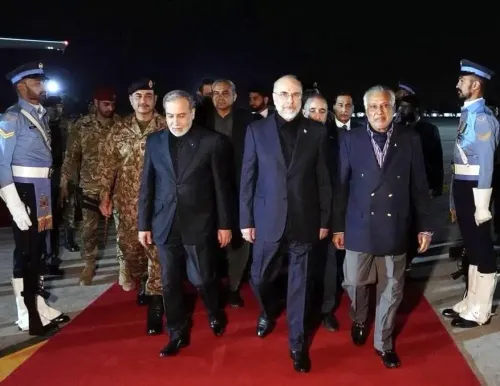
Pakistan had earlier facilitated interactions between the US and Iran and has been projecting itself as a regional mediator.
Naravane stressed that India's security strategy hinges on supply chain diversification and domestic production to withstand global shocks.
He described military modernisation — including UAV and drone procurement — as a continuous process, with a focus on indigenous manufacturers and MSMEs .
On India-Bangladesh relations, he expressed confidence that ties are on an upward trajectory after a difficult phase.
Border fencing between West Bengal and Bangladesh is in its final stretches after more than a decade of work, he confirmed.
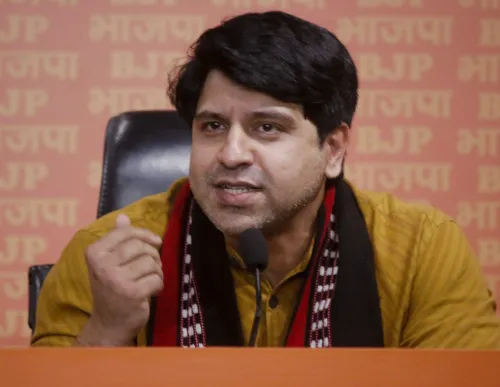
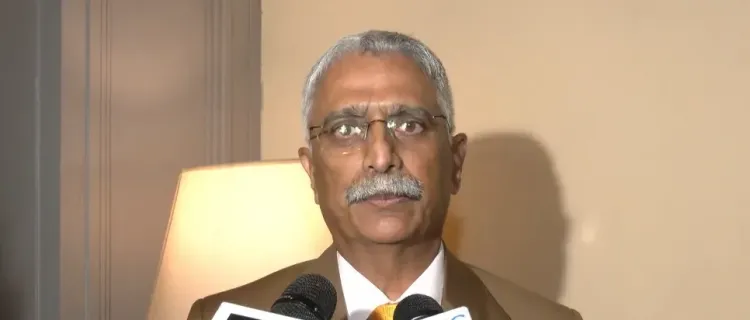
Former Indian Army Chief General (Retired) M.M. Naravane on Saturday, 6 June flatly dismissed Pakistan's self-projected role as a mediator in the Iran-US conflict, saying the country is 'hardly an interlocutor' and functions merely as a 'courier service.' His remarks, made in Kolkata, come as Islamabad has been actively attempting to position itself as a diplomatic bridge between Washington and Tehran, including facilitating interactions between the two sides earlier this year.
Naravane's Blunt Assessment of Pakistan
Speaking to reporters, Gen Naravane was unambiguous: 'There is no question of anybody being overlooked or not overlooked. And Pakistan is hardly an interlocutor; they are just a courier service.' The remark cuts through Islamabad's diplomatic posturing, which has grown louder as the Iran-US confrontation has escalated. Notably, Pakistan has framed its role as a stabilising force in the region — a framing that India's former top military commander has now publicly punctured.
National Security Tied to Economic Resilience
Gen Naravane also addressed the broader implications of the Iran-US conflict on global trade and security, stressing the inseparability of national and economic security. 'National security has always been linked to economic security. In fact, it is the economy that drives everything else,' he said. He added that India's strategy centres on diversifying supply chains, boosting domestic production, and reducing exposure to external shocks — without isolating itself from global trade entirely.
Geopolitical Flux and India's Guiding Principle
The former Army chief contextualised current global tensions within a longer arc of geopolitical instability. 'The global situation has always been in a state of flux. It is not something that has happened only today,' he observed. He argued that adaptability — anchored firmly in national interest — must be India's compass: 'If that remains our guiding principle, then all decisions taken will serve the long-term interests of the nation.'
Drones, Modernisation, and Indigenous Defence
On military modernisation, Gen Naravane described it as a continuous, never-ending process across the Army, Navy, and Air Force, with a clear emphasis on indigenous procurement. He highlighted the growing strategic role of UAVs and drones, drawing lessons from the conflicts in Ukraine and the ongoing Iran-US war. 'Indigenous companies and MSMEs have a major role to play in producing drones in large numbers,' he said.
India-Bangladesh Relations and Border Fencing
Gen Naravane expressed measured optimism about India-Bangladesh ties, noting that bilateral relations follow natural cycles of highs and lows. 'I believe the trajectory of relations between India and Bangladesh is once again moving upward,' he said. On border fencing — a project spanning more than a decade — he acknowledged the terrain challenges, particularly the riverine stretches between West Bengal and Bangladesh, and confirmed that remaining gaps are now being addressed. As the Iran-US conflict continues to reshape regional diplomacy, India's posture — and its assessment of Pakistan's actual influence — will be closely watched.
Point of View
Not diplomatic credibility, and India's former top soldier has said so on the record. What mainstream coverage underplays is the implicit message to Washington: do not over-invest in Islamabad's regional role. Simultaneously, Naravane's emphasis on supply chain diversification and indigenous drones signals that India is quietly recalibrating its defence-industrial posture in response to lessons from Ukraine and the Gulf — a shift that has more long-term consequence than any single diplomatic statement.
NationPress
21 Oct 2026
Frequently Asked Questions
What did Gen Naravane say about Pakistan's role in the Iran-US conflict?
Gen (Retd) M.M. Naravane said Pakistan is 'hardly an interlocutor' and is acting merely as a 'courier service' in the Iran-US war, dismissing Islamabad's claims of being a meaningful mediator between Washington and Tehran. He made the remarks on 6 June in Kolkata.
Why is Pakistan trying to mediate between the US and Iran?
Pakistan has been attempting to position itself as a regional diplomatic bridge between the United States and Iran, reportedly facilitating interactions between the two countries earlier this year. Analysts suggest Islamabad is seeking to leverage its geographic position and relationships with both sides to gain strategic relevance.
What did Gen Naravane say about India's economic and national security?
Naravane stressed that national security and economic security are closely interlinked, and that India's strategy focuses on diversifying supply chains and boosting domestic production to insulate the country from global shocks without fully withdrawing from international trade.
What is India's approach to drone and UAV modernisation according to Naravane?
Naravane said drones and UAVs have proven strategically decisive in recent conflicts, from Ukraine to the Iran-US war, and that the Indian Armed Forces have significantly increased drone procurement across all three services. He called on indigenous companies and MSMEs to scale up production.
What did Naravane say about India-Bangladesh relations and border fencing?
Naravane expressed confidence that India-Bangladesh ties are on an upward trajectory after a difficult phase, noting that bilateral relations naturally cycle through highs and lows. On border fencing, he confirmed the project has been ongoing for over a decade and that remaining gaps — particularly in West Bengal — are now being covered.