Narmada water to irrigate 1.32 lakh hectares in Rewa: CM Mohan Yadav

Synopsis
Madhya Pradesh CM Mohan Yadav has promised Rewa farmers a transformational upgrade: Narmada water via the Sleemanabad Tunnel, covering 1.32 lakh hectares across four project zones, plus a 1,000-hectare natural farming cluster and millet mission support — a multi-pronged push to shift one of MP's oldest farm belts from rain dependence to year-round irrigated, diversified agriculture.
Key Takeaways
CM Mohan Yadav announced that the Sleemanabad Tunnel and allied projects will bring 1.32 lakh hectares in Rewa under irrigation.
Projects in Teonthar , Lonhi , Sirmour , and Semariya are part of the combined irrigation push.
A 1,000-hectare Natural Farming Cluster is being developed in Rewa, backed by the Basaman Mama Cow Sanctuary training centre.
The State Millet Mission is promoting Kodo and Kutki cultivation for income and nutritional security.
The state will bear registration costs for around 50 lakh leaseholders who lack formal land registration.
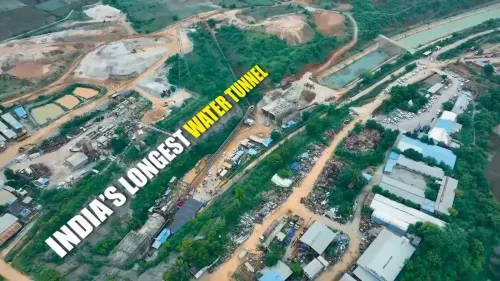
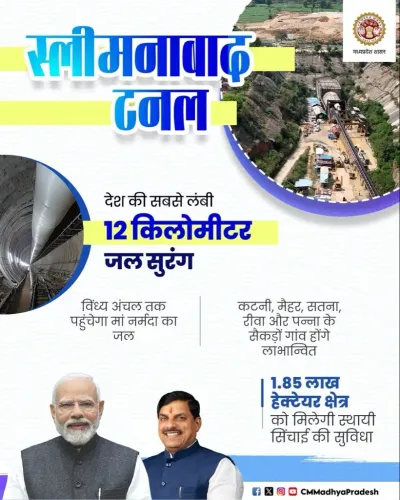
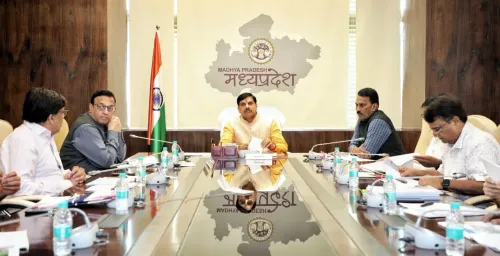
Chief Minister Mohan Yadav on Monday, 21 September said the imminent completion of the Sleemanabad Tunnel and allied irrigation works would bring 1.32 lakh hectares of farmland in Madhya Pradesh's Rewa district under irrigation, channelling Narmada waters into a region that has historically depended on rain-fed agriculture. Yadav made the announcement while addressing farmers via video conferencing from the Mantralaya during the Balram Krishi Mahotsav organised in Rewa.
Sleemanabad Tunnel and Key Irrigation Projects
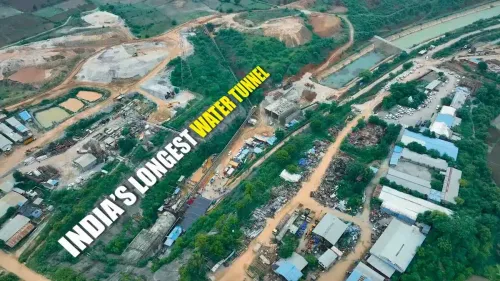
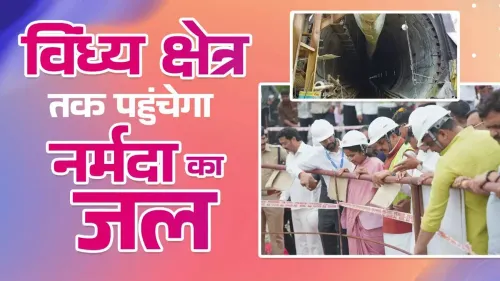
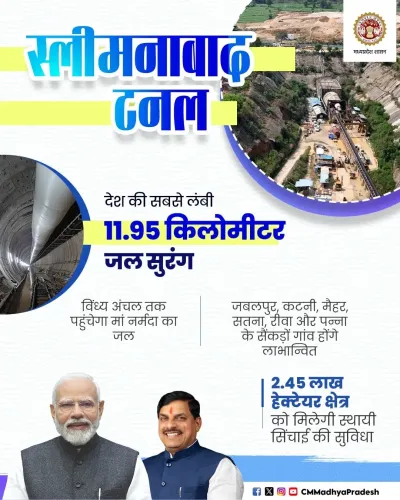
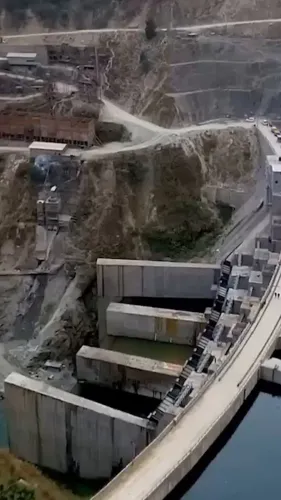
'Once the Sleemanabad Tunnel is completed, the sacred waters of the Narmada River will reach the fields of Rewa, enhancing irrigation and drinking water facilities in the region,' Yadav said. Irrigation projects being implemented across Teonthar, Lonhi, Sirmour, and Semariya are collectively expected to push that coverage figure to 1.32 lakh hectares. The expanded water availability is also anticipated to improve drinking water supply for residents across the district.
Shift Towards Horticulture and Natural Farming
Rewa has traditionally been a hub for paddy, wheat, gram, lentil, linseed, and soybean cultivation. Yadav noted that the district is now witnessing a broader transition toward horticulture, with guava, amla, and jackfruit among the prominent new crops. 'Rewa farmers are moving beyond traditional farming and setting new benchmarks in horticulture and natural farming,' he said, urging cultivators to embrace natural farming methods. The state is supporting this shift partly through a 1,000-hectare Natural Farming Cluster being developed in the district.
Millet Mission and Crop Diversification
The government is actively promoting the cultivation of Kodo and Kutki millets under the State Millet Mission, linking millet production to both farm income enhancement and nutritional security. This push aligns with India's broader post-2023 International Year of Millets momentum, positioning Rewa farmers as part of a national crop-diversification narrative.
Natural Farming Training and Cattle Conservation
The Natural Farming Training Centre at the Basaman Mama Cow Sanctuary is equipping farmers with knowledge on preparing natural inputs such as Jeevamrut and Ghan Jeevamrut. Yadav highlighted that the sanctuary is simultaneously contributing to cattle conservation and rural self-reliance, creating scope for integrating livestock activities with mainstream farming operations.
Relief for Leaseholders
The Chief Minister also reiterated that the state government would cover registration expenses for approximately 50 lakh leaseholders who hold lease documents but lack formal land registration. The move is aimed at strengthening land tenure security for small and marginal farmers across Madhya Pradesh.
With irrigation infrastructure set to transform water access in Rewa, the district's agricultural landscape could shift significantly over the coming seasons — provided project timelines hold.
Point of View
And the repeated invocation of its 'upcoming completion' at political events should prompt scrutiny of actual project timelines and cost overruns. While 1.32 lakh hectares is a significant coverage figure, the real test lies in last-mile water delivery infrastructure — canals, distributaries, and farmer-level access — that historically lag behind headline tunnel completions in India. The natural farming push, meanwhile, reflects a genuine state-level policy commitment, but transitioning rain-fed farmers to input-intensive horticulture without assured price support or cold-chain infrastructure carries its own risks. Rewa's agricultural promise will depend as much on execution depth as on announcements made via video conference.
NationPress
21 Sept 2026
Frequently Asked Questions
What is the Sleemanabad Tunnel and why does it matter for Rewa?
The Sleemanabad Tunnel is an irrigation infrastructure project designed to channel water from the Narmada River into Madhya Pradesh's Rewa district. Its completion is expected to bring 1.32 lakh hectares under irrigation across Rewa, significantly reducing the district's dependence on rain-fed agriculture.
Which areas in Rewa will benefit from the new irrigation projects?
Irrigation projects in Teonthar, Lonhi, Sirmour, and Semariya are collectively expected to expand irrigated farmland to 1.32 lakh hectares in Rewa district. These projects are being implemented alongside the Sleemanabad Tunnel to maximise water distribution coverage.
What is the Natural Farming Cluster being set up in Rewa?
Rewa is developing a 1,000-hectare Natural Farming Cluster to support farmers transitioning away from chemical inputs. The Natural Farming Training Centre at the Basaman Mama Cow Sanctuary provides training in preparing natural inputs like Jeevamrut and Ghan Jeevamrut.
What relief did CM Mohan Yadav announce for leaseholders in Madhya Pradesh?
Chief Minister Mohan Yadav reiterated that the Madhya Pradesh government will bear the registration expenses for approximately 50 lakh leaseholders who possess lease documents but have not completed formal land registration. This measure is aimed at securing land tenure for small and marginal farmers.
What crops are being promoted under the State Millet Mission in Rewa?
The State Millet Mission is encouraging Rewa farmers to cultivate Kodo and Kutki millets, linking millet production to improved farm income and nutritional security. This is part of a broader crop-diversification drive alongside horticulture crops like guava, amla, and jackfruit.