Navi Mumbai Corporator Donates ₹1 Lakh to CM Relief Fund for Drought Farmers
Synopsis
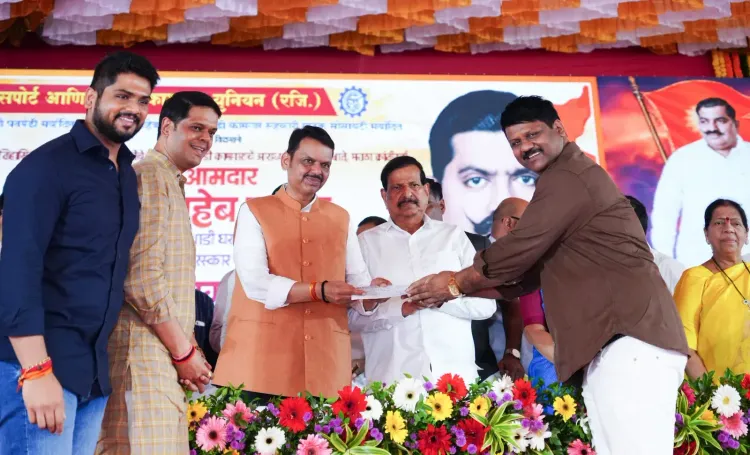
Navi Mumbai corporator Bharat Chavan donated ₹1 lakh to Maharashtra's Chief Minister's Relief Fund for drought-affected farmers, presenting the cheque directly to CM Devendra Fadnavis, who thanked him for the contribution.
Key Takeaways
Bharat Chavan , a corporator from Navi Mumbai , donated ₹1,00,000 to the Chief Minister's Relief Fund on 25 September 2026 .
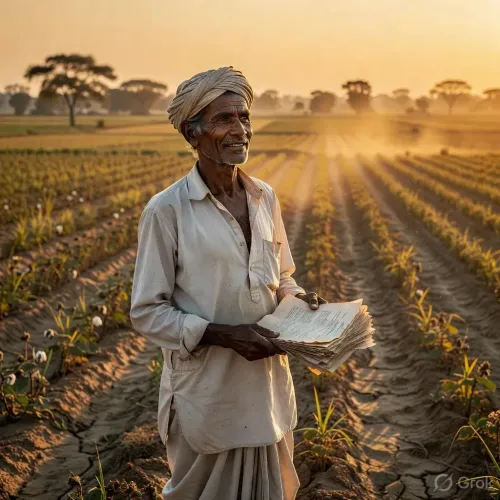
The donation is earmarked specifically for drought-affected farmers in Maharashtra.
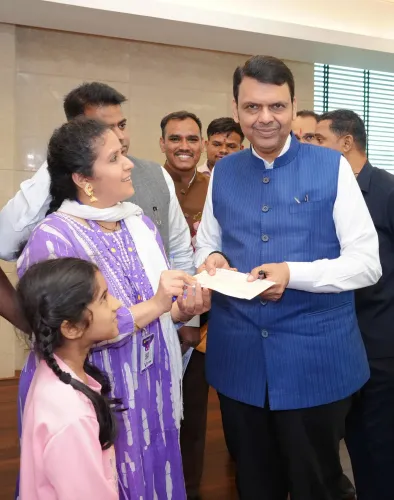
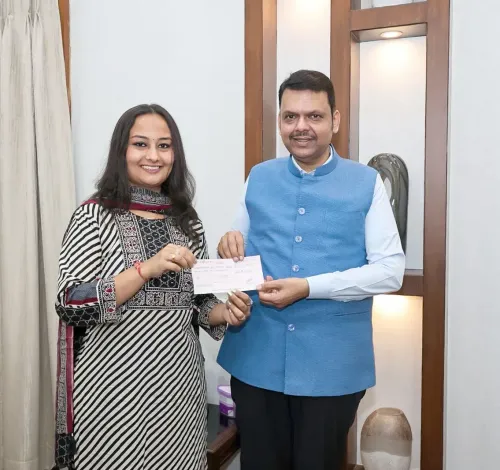
CM Devendra Fadnavis personally received the cheque and acknowledged the contribution.
The Chief Minister's Relief Fund is a standing Maharashtra government mechanism for disaster and agrarian relief.
The gesture follows a recurring practice of local representatives donating to the fund during drought declarations, particularly affecting Marathwada and Vidarbha .
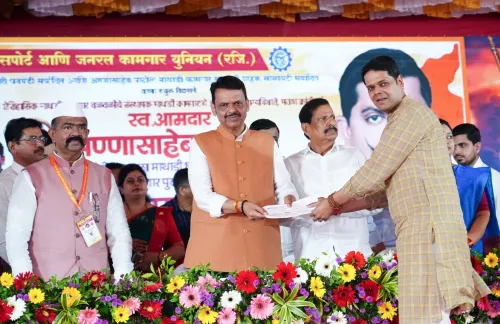
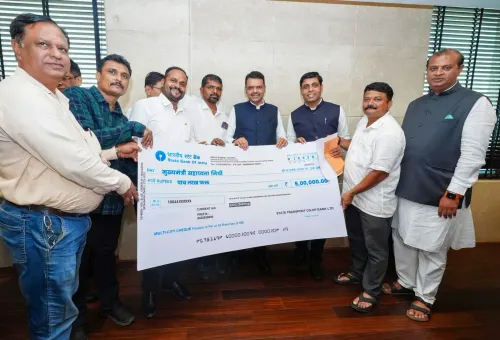
A local elected representative put his hand in his pocket for Maharashtra's drought-stricken farmers — and made it public. On Friday, 25 September 2026, Navi Mumbai corporator Bharat Chavan presented a cheque of ₹1,00,000 to Chief Minister Devendra Fadnavis as a donation to the Chief Minister's Relief Fund for farmers hit by drought, with the Chief Minister's Office of Maharashtra confirming the handover and noting that CM Fadnavis expressed his gratitude.
What the CM Relief Fund does for drought-hit farmers
The Chief Minister's Relief Fund is Maharashtra's standing mechanism for channelling public and institutional donations toward disaster relief — covering droughts, floods, and other agrarian crises. The fund has been activated in earnest during severe drought cycles in the past, including major drives spanning the Marathwada and Vidarbha regions where crop failures have repeatedly pushed farming households to the edge. Contributions flow into relief packages, compensation disbursals, and emergency assistance for declared drought talukas.
Bharat Chavan's gesture and what it signals
Bharat Chavan, a corporator representing a ward in Navi Mumbai, handed the cheque directly to CM Fadnavis — a public act that sits within a well-worn Maharashtra political tradition. Local elected representatives across party lines have periodically donated to the Relief Fund during periods of agrarian distress, using the gesture to signal solidarity with rural communities even when representing largely urban or peri-urban constituencies. Navi Mumbai, a planned satellite city in the Mumbai Metropolitan Region, sits far from the drought-prone interiors — which makes the donation a deliberate bridge across that divide.
The broader pattern is clear: every monsoon shortfall or drought declaration triggers a round of such contributions from nagar sevaks, MLAs, and civil-society donors. The gesture keeps the fund visible, encourages others to follow, and builds a public record of local accountability during agrarian stress.
With disbursal reports from the Relief Fund and any fresh government notifications on drought talukas or farmer compensation packages still awaited, the real measure of this moment will be how quickly the accumulated funds reach the fields — and the families — that need them most.
Point of View
Each such contribution reinforces the fund's legitimacy as a genuine relief vehicle rather than a passive reserve. The pattern is durable across Maharashtra's political history, but the real accountability test remains on the disbursement side: whether the accumulated corpus reaches distressed farmers in drought-declared talukas before the next sowing season. That gap between donation optics and ground-level relief delivery is the tension worth watching.
NationPress
25 Sept 2026
Frequently Asked Questions
What is the Chief Minister's Relief Fund in Maharashtra?
The Chief Minister's Relief Fund is a Maharashtra government mechanism that collects public and institutional donations to provide emergency financial assistance during disasters such as droughts and floods, including direct relief to affected farmers.
Who is Bharat Chavan and why did he donate to the CM Relief Fund?
Bharat Chavan is a corporator (nagar sevak) from Navi Mumbai who donated ₹1 lakh to the Chief Minister's Relief Fund as a gesture of solidarity with drought-affected farmers in Maharashtra.
How much did Bharat Chavan donate to the CM Relief Fund?
Bharat Chavan donated ₹1,00,000 (one lakh rupees) to the Chief Minister's Relief Fund for Maharashtra's drought-affected farmers.
Is it common for local representatives to donate to the CM Relief Fund during droughts?
Yes, elected local representatives in Maharashtra have periodically donated to the Chief Minister's Relief Fund during drought years as a public gesture of support for farmers, a practice that has been documented across multiple drought cycles in regions like Marathwada and Vidarbha.
Who is Devendra Fadnavis?
Devendra Fadnavis is a BJP leader who has served multiple terms as Chief Minister of Maharashtra, known for his focus on infrastructure development and rural welfare issues.