Trinamool MP Saugata Roy defends Mehbooba Mufti's 'dimagi Naxal' remark
Synopsis
A TMC MP's defence of Mehbooba Mufti's 'dimagi Naxal' self-description has turned PM Modi's Independence Day warning into a full-blown political row. At stake is a deceptively simple question: where does ideological dissent end and subversion begin — and who gets to decide?
Key Takeaways
TMC MP Saugata Roy on Monday defended Mehbooba Mufti for calling herself a 'dimagi Naxal' , arguing the term merely denotes a desire to change the system.
Mehbooba Mufti used the self-description on Sunday in the context of her advocacy for restoring Article 370 to Jammu and Kashmir .
The controversy originated from PM Modi's 15 August Independence Day address, in which he warned of 'dimagi Naxals' seeking to create unrest.
Roy compared the BJP's use of 'dimagi Naxal' to its earlier coinage of 'tukde-tukde gang' , calling both attempts to label and delegitimise opponents.
Multiple Opposition parties have accused the BJP of using inflammatory labels to target political dissenters.
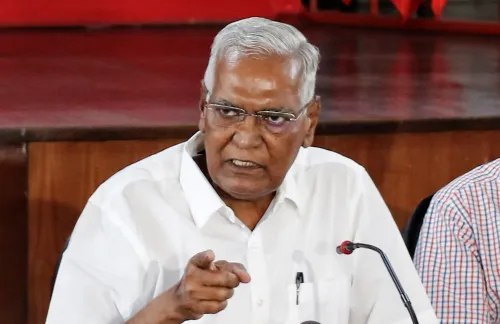
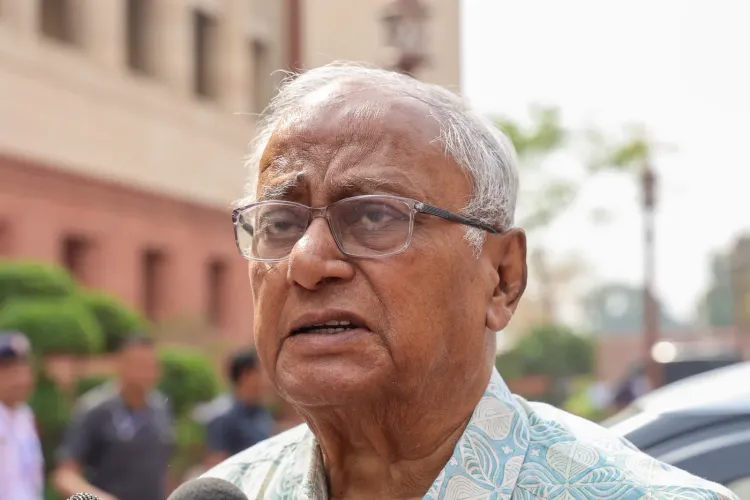
All India Trinamool Congress (TMC) Member of Parliament Saugata Roy on Monday defended former Jammu and Kashmir Chief Minister Mehbooba Mufti after she publicly described herself as a 'dimagi Naxal', arguing that the term simply refers to those who wish to change the existing system — and that such views are entirely legitimate in a democracy. Roy's remarks added fresh fuel to a political controversy that erupted following Prime Minister Narendra Modi's Independence Day address on 15 August.
What Saugata Roy Said
Roy questioned why holding reformist views should be deemed objectionable in a democratic country. 'Naxal' means people who want to change the system; then what is wrong if someone has such thoughts? This is a democratic country, and people can have their own thoughts, he said. He argued that citizens in a democracy are entitled to hold divergent political and ideological positions, and that labelling them with provocative terms amounted to political targeting.
Roy also drew a comparison to the Bharatiya Janata Party (BJP)'s earlier use of the phrase 'tukde-tukde gang', which he said was similarly deployed to discredit political opponents. 'The BJP used to talk about the tukde-tukde gang earlier. Now they have introduced a new term, dimagi naxal. I do not believe in this at all. Mehbooba Mufti is a good leader, and if she has said it, then she has said the right thing,' he added.
Why Mehbooba Mufti Used the Term
Mehbooba Mufti, president of the Peoples Democratic Party (PDP), described herself as a 'dimagi Naxal' on Sunday in apparent reference to her sustained advocacy for the restoration of Article 370 of the Constitution, which granted special status to Jammu and Kashmir before it was abrogated in August 2019. Her self-identification was widely seen as a direct response to the Prime Minister's Independence Day remarks.
The Origin: PM Modi's Independence Day Warning
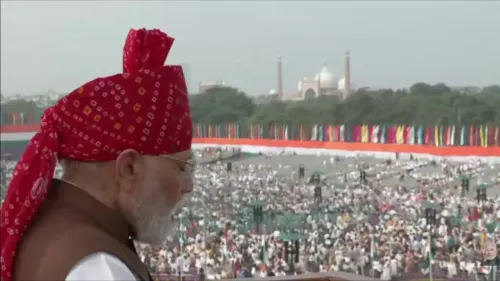
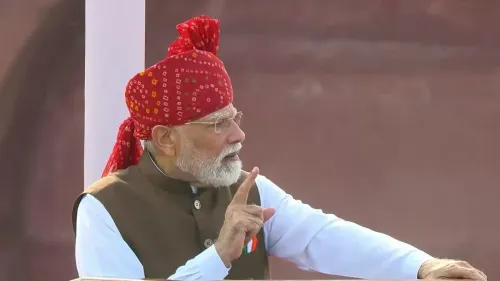
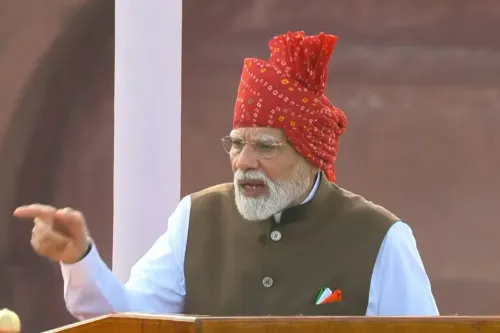
The controversy traces back to PM Modi's address from the Red Fort on 15 August, during which he acknowledged progress in eliminating armed Naxalism but warned of a subtler ideological threat. 'We have succeeded in getting rid of armed Naxals in the jungles, but dimagi Naxals (those with a Naxal mindset) are looking for opportunities to create violence, unrest... They want to drag society on the wrong path. These dimagi Naxals have to be identified and isolated, and we must connect the youth with the mainstream,' Modi said.
The remarks were interpreted by several Opposition leaders as a broad attempt to tar political dissenters with an extremist brush, triggering sharp pushback from multiple parties.
Opposition Reaction and the Broader Pattern
The political response from Opposition parties has been swift and pointed. Several leaders accused the BJP of deploying inflammatory labels to silence dissent and delegitimise those who hold contrarian views. Critics argue this is part of a recurring pattern — from 'urban Naxal' to 'tukde-tukde gang' — where pejorative political coinage is used to frame ideological opponents as threats to national security. Notably, this is not the first time a PM speech has generated such a definitional dispute; the term 'urban Naxal' sparked a similar debate in 2018.
As the row deepens, it raises a fundamental question about the boundaries of political discourse in India — and whether the state's legitimate concern over Maoist violence is being conflated, deliberately or otherwise, with mainstream political opposition.
Point of View
The label risks becoming as elastic — and as weaponisable — as 'urban Naxal' was in 2018. Indian democracy's stress test is not just from extremists at the fringe; it is from the centre's growing appetite for naming enemies.
NationPress
17 Aug 2026
Frequently Asked Questions
What is the 'dimagi Naxal' controversy in India?
The controversy began after PM Modi's Independence Day address on 15 August, in which he warned that 'dimagi Naxals' — those with a Naxal mindset — were seeking to create violence and unrest even after armed Naxalism had been largely suppressed. Former J&K CM Mehbooba Mufti then described herself as a 'dimagi Naxal' in apparent solidarity with ideological dissent, prompting a sharp political debate about the term's meaning and intent.
Why did Mehbooba Mufti call herself a 'dimagi Naxal'?
Mehbooba Mufti used the term on Sunday to describe her continued advocacy for the restoration of Article 370, which granted special status to Jammu and Kashmir before its abrogation in August 2019. Her self-identification was widely seen as a pointed response to PM Modi's Independence Day warning.
What did TMC MP Saugata Roy say in defence of Mehbooba Mufti?
Roy argued that 'Naxal' simply refers to people who want to change the existing system, and that holding such views is entirely legitimate in a democracy. He also compared the BJP's use of 'dimagi Naxal' to its earlier use of 'tukde-tukde gang', calling both attempts to label and delegitimise political opponents.
How has the Opposition responded to PM Modi's 'dimagi Naxal' remark?
Multiple Opposition parties have accused the BJP of deploying inflammatory labels to silence dissent and frame ideological opponents as threats to national security. Critics argue it follows a pattern of political coinage — from 'urban Naxal' to 'tukde-tukde gang' — used to discredit those with contrarian views.
What did PM Modi say about Naxalism in his Independence Day speech?
PM Modi said India had made significant progress in eliminating armed Naxalism but warned that 'dimagi Naxals' — those with a Naxal mindset — were still looking for opportunities to create violence and unrest. He called for identifying and isolating such individuals and reconnecting youth with the mainstream.