NCB launches 'Trinetra' campaign to target overstaying foreigners in drug trade

Synopsis
The NCB's 'Trinetra' campaign is a direct response to a growing enforcement gap: foreign nationals using expired visas to run transnational drug networks from Indian cities. With five arrests, ₹15 crore in seized contraband, and accommodation providers now legally on the hook, this is India's most coordinated push yet against the overstay-to-narcotics pipeline.
Key Takeaways
The NCB will launch campaign 'Trinetra' in the first week of September , targeting illegally overstaying foreign nationals linked to drug trafficking.
The drive will be conducted with State/UT Police and Immigration authorities across India.
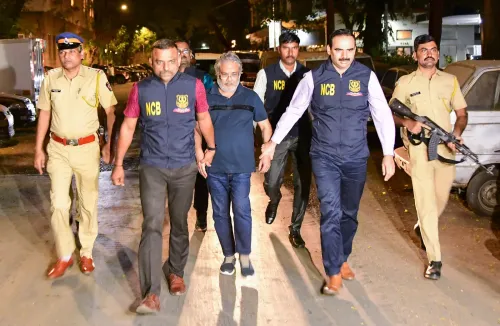
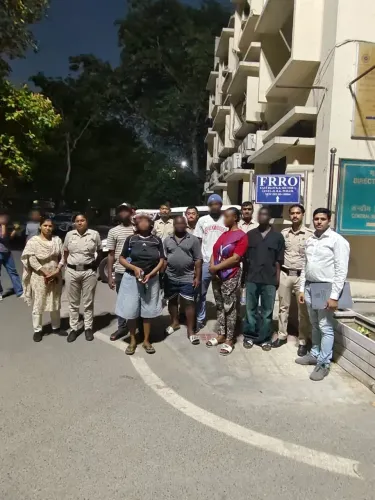
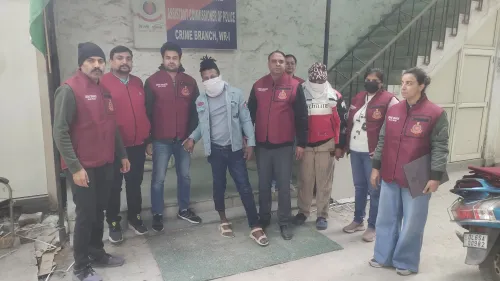
The campaign follows arrest of five foreign nationals — including a woman — operating a transnational drug network from New Delhi and Uttar Pradesh .
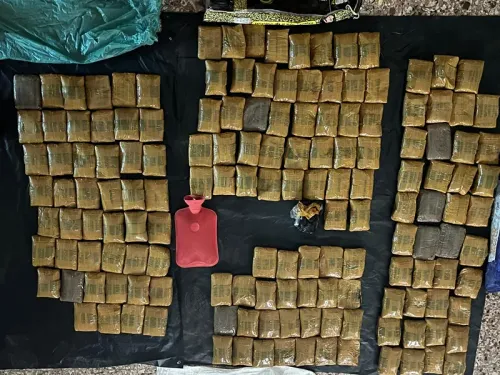
Contraband worth nearly ₹15 crore was seized in the preceding multi-week operation.
Hotels, guest houses, and landlords must report foreign guests under the Immigration and Foreigners Act 2025 or face legal consequences.
The initiative is part of India's Zero Tolerance against Drugs policy, focused on dismantling entire trafficking networks.
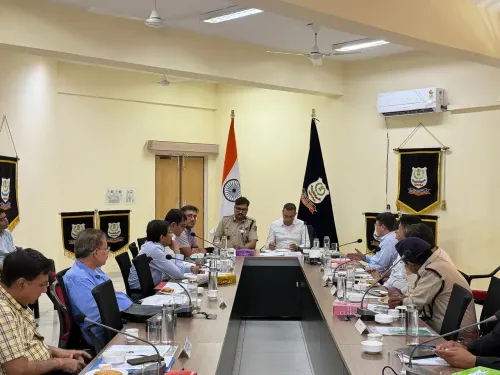
The Narcotics Control Bureau (NCB) will launch a fortnight-long nationwide campaign called 'Trinetra' in the first week of September to identify and act against illegally overstaying foreign nationals suspected of involvement in drug trafficking, an official confirmed. The drive, to be conducted in coordination with State and Union Territory Police and Immigration authorities, marks a sharp escalation in India's enforcement posture against transnational narcotics networks.
What the Trinetra Campaign Involves
The campaign will rely on intelligence-based identification and verification of foreign nationals who have overstayed their visas and are suspected of links to drug trafficking networks. Authorities will examine immigration status, map connections to organised narcotics supply chains, and initiate legal action in coordination with relevant agencies.
The NCB described the initiative as part of its broader network-centric approach — aimed at dismantling not just individual traffickers but the entire ecosystem of facilitators and support systems sustaining organised and transnational drug trafficking in India.
The Arrests That Triggered the Drive
The campaign follows the recent arrest of four Nigerian nationals who had overstayed their visas and were allegedly operating a transnational drug network from Indian soil. In a related multi-week operation spanning New Delhi and Uttar Pradesh, the NCB arrested five foreign nationals — including a woman — and seized contraband valued at nearly ₹15 crore.
According to the NCB, these cases underscore a pattern: foreign nationals exploiting expired visas to embed themselves in organised criminal networks, using India as both a transit and operational base.
Obligations for Accommodation Providers
The NCB has also put hotels, guest houses, landlords, and other accommodation providers on notice. Under the Immigration and Foreigners Act 2025, such providers are legally required to furnish prescribed information about foreign guests to the authorities in a timely manner.
The bureau stressed that this reporting obligation is not merely a procedural formality — it is a critical law-enforcement tool for identifying overstaying foreign nationals before they can entrench themselves in criminal activity.
Zero Tolerance Policy and What Comes Next
The Trinetra campaign is framed under the Government of India's Zero Tolerance against Drugs policy, which prioritises dismantling entire trafficking networks over individual seizures. The NCB's coordinated approach with state police signals that the campaign will have operational teeth beyond mere identification.
With the campaign set to roll out in September, enforcement agencies are expected to intensify checks at accommodation hubs, transit points, and locations flagged through prior intelligence inputs. The outcome of Trinetra is likely to shape future policy on visa overstay enforcement and its intersection with narcotics control.
Point of View
Creating a civilian surveillance layer that law enforcement alone cannot replicate. The real test will be whether Trinetra produces sustained network disruption or merely a fortnight of high-profile arrests that dissipate without structural follow-through — a pattern that has dogged previous NCB drives.
NationPress
18 Aug 2026
Frequently Asked Questions
What is the NCB's Trinetra campaign?
Trinetra is a fortnight-long nationwide enforcement campaign by the Narcotics Control Bureau, set to launch in the first week of September. It aims to identify, verify, and take legal action against illegally overstaying foreign nationals suspected of involvement in drug trafficking networks in India.
What triggered the launch of Operation Trinetra?
The campaign was announced following the arrest of four Nigerian nationals who had overstayed their visas and were allegedly running a transnational drug network. A broader multi-week NCB operation also led to the arrest of five foreign nationals and seizure of contraband worth nearly ₹15 crore from New Delhi and Uttar Pradesh.
What are the legal obligations for hotels and landlords under this campaign?
Under the Immigration and Foreigners Act 2025, hotels, guest houses, landlords, and other accommodation providers are required to furnish prescribed information about foreign nationals staying with them to the authorities. Failure to comply can invite legal action, as the NCB has explicitly flagged this obligation.
Who is conducting the Trinetra campaign?
The NCB is leading the campaign in coordination with State and Union Territory Police forces and Immigration authorities. The multi-agency structure is designed to enable simultaneous identification, immigration verification, and criminal prosecution.
How does Trinetra fit into India's broader drug policy?
Trinetra is part of the Government of India's Zero Tolerance against Drugs policy, which prioritises dismantling entire drug trafficking networks — including financiers, facilitators, and logistics support — rather than focusing solely on individual seizures or street-level enforcement.