NCW submits women's development roadmap for West Bengal to CM Adhikari
Synopsis
The NCW has handed West Bengal CM Suvendu Adhikari a detailed policy roadmap — covering ₹5 lakh women-name health insurance, bolstered One Stop Centres, SHG credit access and targeted healthcare for tea-garden workers — emerging from a 120-stakeholder conclave held in Kolkata in August 2026.
Key Takeaways
The NCW submitted its women's development report to West Bengal CM Suvendu Adhikari and Minister Malati Rava Roy on 28 October 2026 .
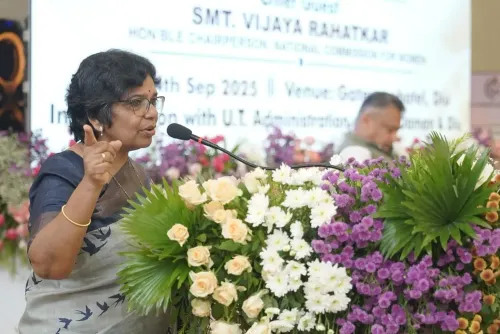
The report follows the 'Nari Netritwe Unnoto' conclave held in August 2026 at the Biswa Bangla Convention Centre, Kolkata , involving over 120 stakeholders .
Key health recommendation: a family health-insurance card of ₹5 lakh registered in the woman's name for uninsured households.
The NCW called for strengthened One Stop Centres for domestic-violence survivors and expansion of the Durga Suraksha Bahini initiative.
Economic empowerment measures include improved credit for Self-Help Groups , digital literacy and skills training in remote and border areas .
The NCW has committed to ongoing engagement with the state government for effective implementation of the recommendations.
The National Commission for Women (NCW) has submitted a comprehensive report to West Bengal Chief Minister Suvendu Adhikari, consolidating policy recommendations for the development, safety and empowerment of women across the state. The report, forwarded on Wednesday, 28 October 2026, was also shared with state Women and Child Development Minister Malati Rava Roy for consideration and implementation.
Origins of the Report
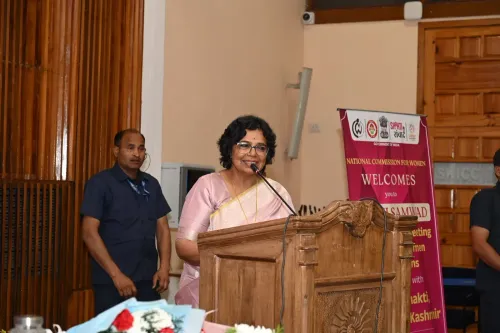
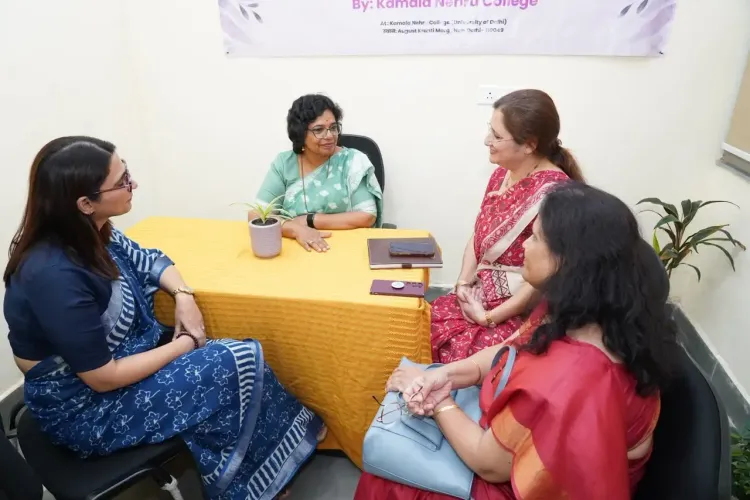
The recommendations stem from the 'Nari Netritwe Unnoto' conclave held in August 2026 at the Biswa Bangla Convention Centre in Kolkata. The gathering brought together over 120 stakeholders, spanning policymakers, administrators, legal experts, healthcare professionals, academics, entrepreneurs, artists and civil society representatives. Deliberations centred on three interconnected pillars: women's health, safety and social protection; women's leadership in education, arts, literature and culture; and entrepreneurship along with economic empowerment.
Key Recommendations on Health and Safety
Under its 'Holistic Well-being: Health, Safety and Social Protection' framework, the NCW called for expanded access to maternal and preventive healthcare. Specific measures include iron supplementation, support for women recovering from cancer, mobile health camps, eye care and vaccination programmes targeting women tea-garden workers — a constituency often overlooked in state health planning.
The NCW also recommended that the state consider a family health-insurance card of ₹5 lakh registered in the woman's name for households without existing coverage. It further urged strengthening One Stop Centres to provide survivors of domestic violence with coordinated legal aid, counselling, medical care and shelter support, and called for the continued expansion of the Durga Suraksha Bahini initiative to improve women's safety in public spaces.
Economic Empowerment and Grassroots Outreach
On the economic front, the NCW urged improved institutional credit access for Self-Help Groups (SHGs), stronger cooperative societies and wider reach of livelihood programmes, digital literacy and skills training — particularly in remote and border areas of West Bengal. The commission emphasised that women-led development must be backed by coordinated policy action, adequate resources and robust monitoring to translate recommendations into measurable outcomes.
NCW's Commitment Going Forward
According to the NCW's statement, the commission intends to remain actively engaged with the state government and relevant stakeholders to advance the consideration and effective implementation of these recommendations. This signals an ongoing consultative relationship rather than a one-time submission, with the body positioning itself as a continuing partner in West Bengal's women-welfare architecture. The ball now lies firmly in the state government's court to translate this roadmap into ground-level action.
Point of View
The focus on tea-garden workers and border-area outreach signals an attempt to reach constituencies that mainstream welfare architecture has historically underserved. Whether this becomes policy or another archived commission report is the only question that matters now.
NationPress
28 Oct 2026
Frequently Asked Questions
What is the NCW's women's development report for West Bengal?
It is a policy document prepared by the National Commission for Women following the 'Nari Netritwe Unnoto' conclave held in August 2026 in Kolkata, consolidating recommendations on women's health, safety, economic empowerment and leadership. The report was submitted to West Bengal Chief Minister Suvendu Adhikari and Women and Child Development Minister Malati Rava Roy on 28 October 2026.
What was the 'Nari Netritwe Unnoto' conclave?
It was a multi-stakeholder conclave organised by the NCW and held at the Biswa Bangla Convention Centre in Kolkata in August 2026. Over 120 participants — including policymakers, legal experts, healthcare professionals, academics and civil society representatives — deliberated on three pillars: women's health and safety, leadership in arts and education, and entrepreneurship and economic empowerment.
What are the key health-related recommendations in the NCW report?
The NCW recommended a ₹5 lakh family health-insurance card registered in the woman's name for households without existing coverage, expanded maternal and preventive healthcare, mobile health camps, eye care, cancer recovery support, and vaccination for women tea-garden workers. It also called for strengthened One Stop Centres and the Durga Suraksha Bahini initiative.
How does the report address women's economic empowerment?
The report urges the West Bengal government to improve institutional credit access for Self-Help Groups, strengthen cooperative societies and expand livelihood programmes, digital literacy and skills training — with a particular emphasis on remote and border areas of the state.
What happens next after the report is submitted?
The NCW has stated it will continue engaging with the West Bengal state government and stakeholders to advance implementation of the recommendations. The report now awaits formal response and policy action from the state government and the Women and Child Development Ministry.