NEC Secretary pushes integrated coffee farming plan to lift Nagaland farmers' incomes
Synopsis
NEC Secretary Satinder Kumar Bhalla's field visit to Nagaland's Tuophema village reveals an ambitious pivot: the Coffee USP Project is no longer just about growing beans — it is being positioned as a full-spectrum livelihood programme linking road connectivity, mechanisation, intercropping, and export access, all in service of the Viksit Bharat 2047 goal.
Key Takeaways
NEC Secretary Satinder Kumar Bhalla visited Tuophema village, Kohima district on 2 October to review the Coffee USP Project .
Bhalla called for integrated development — covering infrastructure, mechanisation, value addition, and export linkages — to raise Nagaland coffee farmers' incomes.
The Coffee USP Project is framed as a livelihood and economic development programme, not merely a plantation initiative, aligned with the Viksit Bharat by 2047 vision.
Crop diversification, including black pepper intercropping, was recommended to improve land productivity and add income streams.
Nagaland Principal Secretary Y.
Kikheto Sema noted coffee cultivation in the state dates to 1981 but has yet to reach its economic potential due to limited awareness and market linkages.
Young grower Vibei Kense , who earned coffee certification in Vietnam , was cited as a model for building local expertise in the sector.
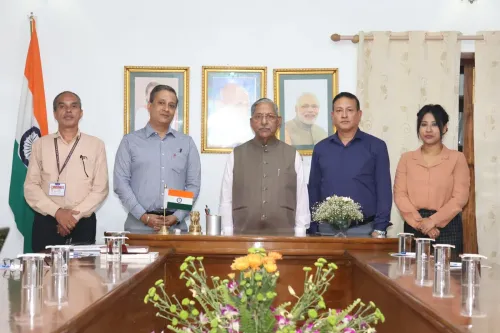
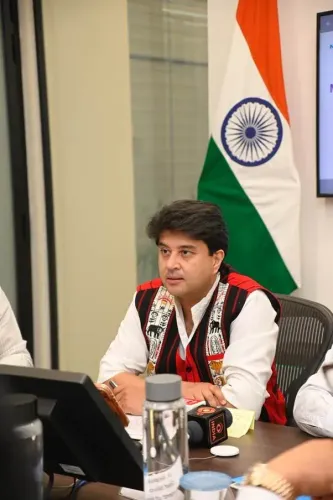
North Eastern Council (NEC) Secretary Satinder Kumar Bhalla on Friday, 2 October called for a comprehensive, integrated approach to coffee cultivation in Nagaland, asserting that infrastructure upgrades, mechanisation, value addition, and robust market linkages are indispensable to meaningfully raise farmers' incomes. His remarks came during a field visit to Tuophema village in Kohima district, where he reviewed progress under the Coffee USP Project.
What Bhalla Saw on the Ground
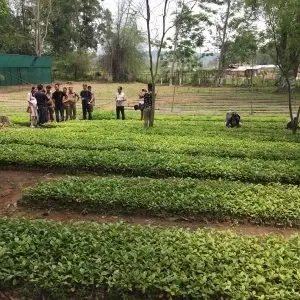
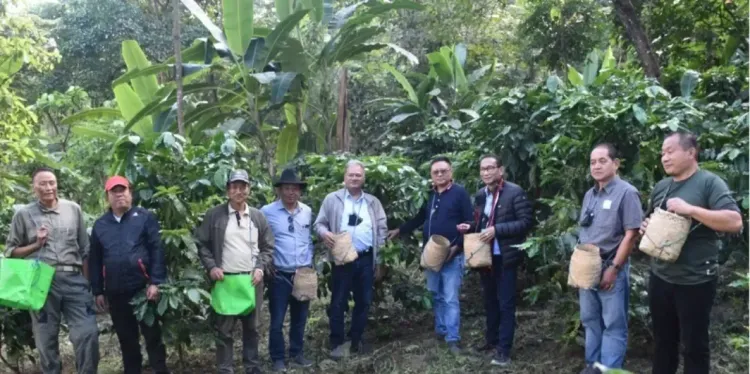
The NEC Secretary inspected coffee plantation sites and the Hi-Tech Coffee Washing Station at Tuophema, and held direct interactions with coffee growers and members of the Tuophema Cluster. The on-ground assessment appeared to reinforce his view that the sector, while promising, remains constrained by gaps in processing infrastructure and market access.
Coffee USP Project: Beyond Planting Trees
Bhalla was categorical that the Coffee USP Project is not a simple plantation drive. 'The larger objective is to create sustainable livelihoods and enable communities to access better education, healthcare, modern amenities and an improved quality of life, contributing to the vision of Viksit Bharat by 2047,' he said. He stressed that commercially viable coffee cultivation requires good road connectivity, modern processing machinery, efficient post-harvest infrastructure, quality assurance, and strong export linkages — none of which can be achieved in isolation.
He also called for the Nagaland government and the Coffee Board to collaborate with central agricultural institutions to identify suitable intercrops and complementary activities within coffee plantations, arguing that crop diversification would improve land productivity and provide farmers with additional income streams.
Collective Effort: Centre, State, and Private Sector
Bhalla underscored that achieving a substantial income increase for farming communities would demand coordinated action from the Centre, the Nagaland government, the Coffee Board, local administration, farmers, technical institutions, and private investors. He specifically encouraged the local administration to actively court industrial houses, investors, and exporters who could bring mechanisation and automation to the sector through appropriate financial arrangements.
He also commended young coffee grower Vibei Kense, who travelled to Vietnam to obtain specialised coffee certification, calling such individual initiative a model for building local expertise and strengthening the regional coffee ecosystem.
A Sector With Deep Roots but Unrealised Potential
Nagaland Principal Secretary and Development Commissioner Y. Kikheto Sema noted that coffee cultivation in the state dates back to 1981, but the sector has consistently fallen short of its economic potential due to limited awareness, inadequate market linkages, and structural constraints. Sema encouraged farmers to consider intercropping with black pepper and other compatible crops wherever technically feasible, echoing the integrated approach advocated by the NEC Secretary.
The renewed institutional attention on Nagaland's coffee sector signals a broader push by the Centre and NEC to unlock the agricultural and export potential of the Northeast, with the Coffee USP Project serving as one of the more concrete vehicles for that ambition.
Point of View
Which raises a pointed question: what structurally changes this time? The emphasis on private sector engagement and export linkages is the right language, but without binding timelines, dedicated funding tranches, and a third-party outcome framework, the integrated approach risks becoming another well-intentioned blueprint that never leaves the conference room.
NationPress
3 Oct 2026
Frequently Asked Questions
What is the Coffee USP Project in Nagaland?
The Coffee USP Project is an integrated livelihood and economic development programme backed by the North Eastern Council (NEC) in Nagaland, aimed at enabling farming communities to derive greater value from coffee cultivation through better infrastructure, processing, and market linkages. It goes beyond plantation activities to include value addition, mechanisation, and export connectivity, aligned with the Viksit Bharat 2047 vision.
Why did NEC Secretary Satinder Kumar Bhalla visit Tuophema?
Bhalla visited Tuophema village in Kohima district on 2 October to review the progress of the Coffee USP Project, inspect plantation sites and the Hi-Tech Coffee Washing Station, and interact directly with coffee growers and members of the Tuophema Cluster. The visit was part of a broader assessment of coffee infrastructure under the NEC's Northeast development mandate.
Why has Nagaland's coffee sector underperformed despite decades of cultivation?
Coffee cultivation in Nagaland dates back to 1981, but according to Principal Secretary Y. Kikheto Sema, limited awareness, inadequate market linkages, and structural infrastructure gaps have prevented the sector from reaching its economic potential. Poor road connectivity and limited post-harvest processing have historically been cited as key constraints.
What role is the private sector expected to play in Nagaland's coffee development?
NEC Secretary Bhalla urged local administration to actively engage industrial houses, investors, and exporters to support mechanisation and automation in the coffee sector through financial and institutional arrangements. He indicated that private participation is considered essential to make the sector commercially competitive and scalable.
How does intercropping fit into the coffee development plan for Nagaland?
Bhalla called on the Nagaland government and the Coffee Board to work with central agricultural institutions to identify suitable intercrops — including black pepper — that can be grown alongside coffee. The goal is to improve land productivity and give farmers additional income sources, strengthening the overall economic viability of coffee cultivation in the region.