NEET protest: 18 Delhi Metro stations shut from 7:30 am on 25 July
Synopsis
For the fifth straight day, NEET paper leak protests have forced the closure of 18 central Delhi Metro stations — disrupting tens of thousands of commuters, drawing a rare public concern from the Chief Justice of India over the Supreme Court station shutdown, and reigniting debate about whether repeated transit closures are a proportionate response to student demonstrations.
Key Takeaways
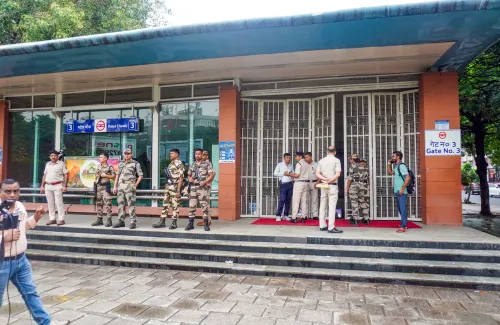
DMRC suspended entry and exit at 18 Metro stations in central Delhi from 7:30 am on 25 July 2026 .
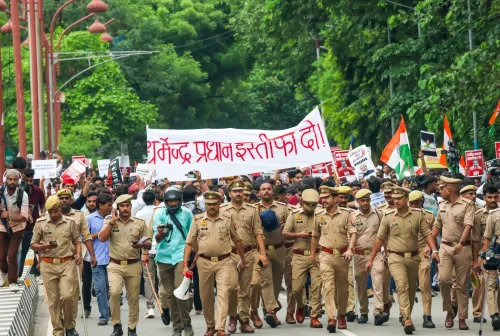
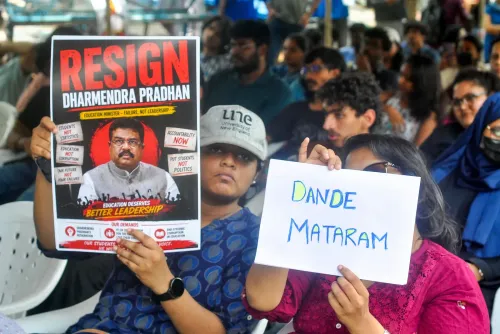
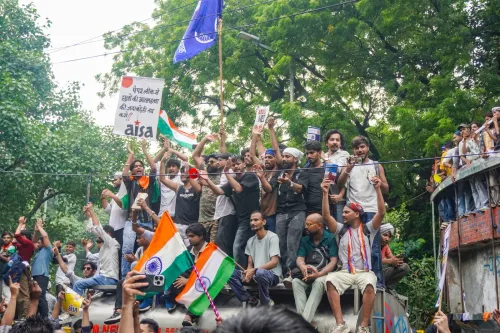
Closures are linked to student protests over the NEET paper leak at Jantar Mantar .
Interchange services at Rajiv Chowk , Mandi House , and Central Secretariat remain operational.
This is the fifth consecutive day of Metro-related restrictions in the national capital.
Chief Justice of India Justice Surya Kant flagged concern over the closure of the Supreme Court Metro station and its effect on the apex court's functioning.
Closure of New Delhi Metro Station has severely disrupted access to New Delhi Railway Station , one of India's busiest rail hubs.
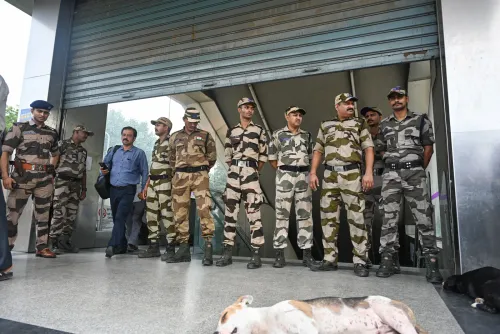
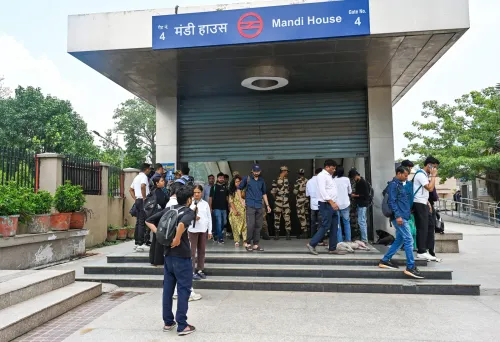
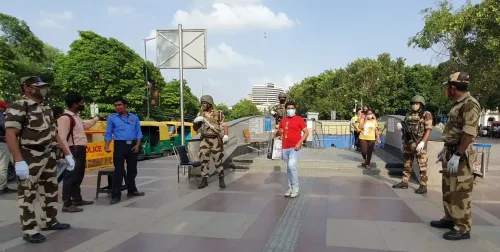
The Delhi Metro Rail Corporation (DMRC) on 25 July 2026 suspended entry and exit services at 18 Metro stations across central Delhi from 7:30 am, citing heightened security requirements linked to ongoing student protests at Jantar Mantar over the NEET paper leak. The closures, which remain in effect until further notice, mark the fifth consecutive day of Metro-related restrictions in the national capital.
Stations Affected
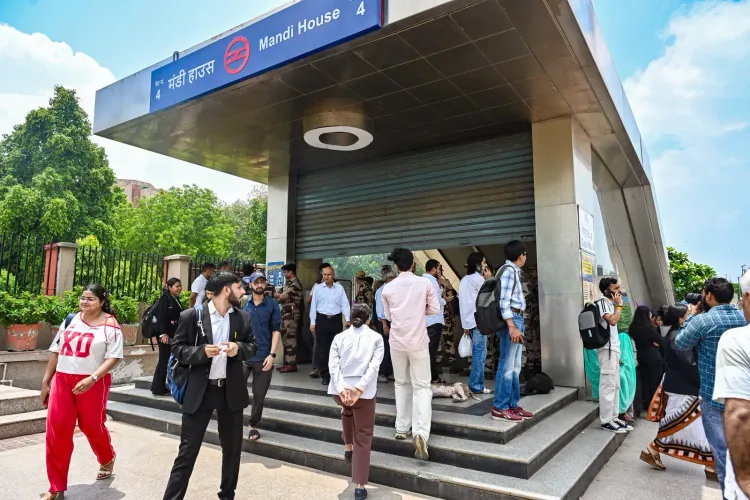
Entry and exit services have been suspended at Lok Kalyan Marg, Rajiv Chowk, Patel Chowk, Ramakrishna Ashram Marg, Barakhambha Road, Supreme Court, Seva Teerth, Janpath, Mandi House, Central Secretariat, ITO, Delhi Gate, Indraprastha, Khan Market, Jor Bagh, Shivaji Stadium, Jhandewalan, and New Delhi Metro stations. However, interchange facilities at Rajiv Chowk, Mandi House, and Central Secretariat will continue to operate for connecting passengers.
What DMRC Said
The DMRC posted on social media platform X: 'Below mentioned Metro stations will be closed from 07:30 A.M. tomorrow (25th July, 2026) till further instructions. However, Interchange facility shall remain available at Rajiv Chowk, Mandi House and Central Secretariat.' The corporation added: 'Any inconvenience caused is deeply regretted.'
Authorities described the temporary closures as a purely precautionary measure to support law and order, urging commuters to plan their travel in advance and arrange alternatives where needed.
Impact on Daily Commuters
The shutdown has caused widespread disruption for office-goers, students, lawyers, and railway passengers. With most of the affected stations located in the heart of the city, thousands have been forced onto road transport, triggering significant traffic congestion and longer travel times across central Delhi.
The closure of New Delhi Metro Station has particularly hit passengers travelling to and from New Delhi Railway Station, one of the country's busiest transport hubs. Commuters reported delays, extended waiting times, and diversions as they sought alternate routes.
Chief Justice Flags Concern
The closure of the Supreme Court Metro station drew a notable response from the judiciary. Chief Justice of India Justice Surya Kant expressed concern that the shutdown was affecting the functioning of the country's apex court — an unusual instance of a sitting Chief Justice weighing in on a Metro closure.
Protests and Public Debate
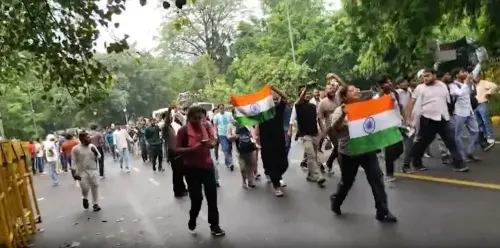
The NEET paper leak protests at Jantar Mantar have now entered their fifth day, with student demonstrators demanding accountability over alleged irregularities in the medical entrance examination. The repeated station closures have also sparked a broader public debate, with critics questioning whether such restrictions impede citizens' freedom of movement. This is the fifth consecutive day that Metro services in central Delhi have been curtailed in connection with the demonstrations.
Point of View
Including the gateway to one of India's busiest railway hubs, imposes a disproportionate cost on ordinary commuters who have no connection to the protests. The Chief Justice of India raising the Supreme Court station closure publicly is a signal that the collateral damage has reached institutional proportions. Authorities have yet to explain why rolling station closures — rather than targeted crowd management at Jantar Mantar — remain the preferred tool. That question deserves a direct answer.
NationPress
25 Jul 2026
Frequently Asked Questions
Which 18 Delhi Metro stations are closed on 25 July 2026?
The 18 stations with suspended entry and exit are Lok Kalyan Marg, Rajiv Chowk, Patel Chowk, Ramakrishna Ashram Marg, Barakhambha Road, Supreme Court, Seva Teerth, Janpath, Mandi House, Central Secretariat, ITO, Delhi Gate, Indraprastha, Khan Market, Jor Bagh, Shivaji Stadium, Jhandewalan, and New Delhi. Interchange services at Rajiv Chowk, Mandi House, and Central Secretariat continue to operate.
Why are Delhi Metro stations closed today?
The DMRC closed 18 central Delhi stations from 7:30 am on 25 July as a precautionary security measure amid ongoing student protests at Jantar Mantar over the NEET paper leak. Authorities cited the need to support law and order in anticipation of large gatherings.
How long will the Delhi Metro stations remain closed?
The DMRC has not specified a reopening time, stating closures will continue 'till further instructions.' This is the fifth consecutive day of such restrictions, and they have been lifted only after protest activity subsided on previous days.
What did the Chief Justice of India say about the Metro closures?
Chief Justice of India Justice Surya Kant expressed concern over the closure of the Supreme Court Metro station, noting that it was affecting the functioning of the apex court. It is an unusual instance of a sitting Chief Justice publicly flagging the impact of a transit shutdown.
Who is most affected by the Delhi Metro station closures?
Daily commuters including office-goers, students, lawyers, and railway passengers are most affected. The closure of New Delhi Metro Station has particularly disrupted access to New Delhi Railway Station, one of the country's busiest transport hubs, forcing thousands onto congested road routes.