CM Uttarakhand: New 80-m Bridge on Badrinath Highway Done

Synopsis
The Uttarakhand CMO announced completion of a new 80-metre bridge over Lambagad nala on the Badrinath national highway between Kameda and Badrinath, advancing the Char Dham Mahamarg Vikas Pariyojana's goal of safer, all-weather pilgrimage connectivity in Chamoli district.
Key Takeaways
An 80-metre bridge over Lambagad nala on the Badrinath highway has been completed by the Uttarakhand government.
The bridge lies on the national highway stretch from Kameda, Chamoli to Badrinath Dham .
The work falls under the Char Dham Mahamarg Vikas Pariyojana , approved by the Union Cabinet in 2016 , targeting approximately 900 km of pilgrimage road upgrades.
NHAI coordinates the highway widening and bridge works in collaboration with state authorities.
The bridge is intended to improve safety and reduce disruptions for pilgrims, Chamoli residents , and tour operators on one of India's most sensitive Himalayan corridors.
Remaining widening segments, tunnels, and pending clearances will shape the timeline for completing the full Char Dham highway corridor.
The Chief Minister's Office of Uttarakhand announced on Friday, 17 July 2026 that a new 80-metre bridge over the Lambagad nala on the Badrinath Dham highway has been completed, marking a significant milestone in the ongoing widening of the national highway from Kameda in Chamoli to Badrinath.
The official post stated: 'Chardham yatra ko surakshit aur sugam banane ke kram mein' ('In the effort to make the Chardham yatra safe and smooth'), the construction of the new bridge on the Lambagad nala under the national highway widening project has been completed. The bridge forms a critical link on the pilgrimage route that draws several lakh devotees each year.
Context
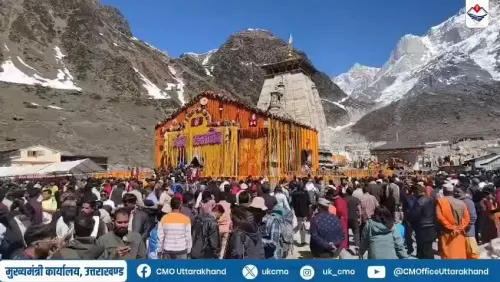
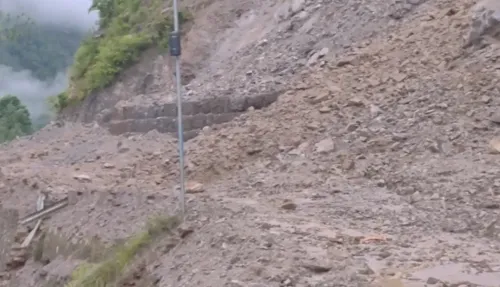
The Badrinath Dham route passes through Chamoli district, one of the most geologically sensitive corridors in the Himalayas. Narrow roads, seasonal landslides, and flash floods have historically disrupted yatra traffic, sometimes with fatal consequences. A dedicated bridge over the Lambagad nala directly addresses one such vulnerable crossing on this stretch.
The highway section from Kameda to Badrinath has long been identified as a bottleneck, particularly during peak pilgrimage months when vehicle density surges and weather conditions deteriorate rapidly.
Policy Backdrop
The bridge is part of the broader Char Dham Mahamarg Vikas Pariyojana, approved by the Union Cabinet in 2016, which targets the widening of approximately 900 km of roads linking Badrinath, Kedarnath, Gangotri and Yamunotri. The National Highways Authority of India (NHAI) coordinates execution of highway widening and bridge works in partnership with state authorities.
Works under the project have been executed in phases to manage environmental and geological risks inherent to the fragile Himalayan terrain, while simultaneously supporting religious tourism and strategic border road connectivity in the region.
Stakeholders and Impact
The completed bridge is expected to benefit pilgrims, Chamoli residents, and tour operators who depend on uninterrupted access to the Badrinath shrine. A structurally sound, wider crossing reduces the risk of traffic bottlenecks and weather-related closures at the nala, improving both safety and travel time.
For local communities in Chamoli, reliable road infrastructure also means better access to markets, emergency services, and supply chains that are otherwise disrupted during the yatra season and monsoon months.
What's Next
Remaining segments of the Badrinath highway widening — including other bridges and proposed tunnel sections — will be watched closely ahead of the next yatra season. Environmental and parliamentary clearances for pending works remain key milestones that will determine the overall timeline for completing the Char Dham highway corridor.
The pace of infrastructure delivery on this route is increasingly seen as a benchmark for how effectively the state and central governments can balance pilgrimage facilitation, ecological sensitivity, and strategic road access in the upper Himalayas.
Point of View
If incremental, delivery under the Char Dham highway project — a decade-long infrastructure push that has faced repeated scrutiny over environmental clearances and geological risks. Announcing individual bridge completions signals the state government's intent to demonstrate forward progress on a politically and spiritually significant corridor. The Badrinath route carries outsized importance: it combines mass pilgrimage demand with strategic border road utility, making every completed structure a dual-purpose win for both Dehradun and New Delhi. The real test, however, lies in whether the remaining segments — particularly tunnels and flood-prone stretches — can be delivered before the next yatra season without fresh ecological setbacks.
NationPress
15 Oct 2026
Frequently Asked Questions
What is the new bridge built on the Badrinath highway?
An 80-metre bridge has been built over the Lambagad nala on the national highway between Kameda in Chamoli district and Badrinath Dham as part of the ongoing highway widening project.
What is the Char Dham Mahamarg Vikas Pariyojana?
The Char Dham Mahamarg Vikas Pariyojana is a Union Cabinet-approved scheme from 2016 that aims to widen approximately 900 km of roads connecting Badrinath, Kedarnath, Gangotri, and Yamunotri for safer all-weather pilgrimage access.
Which agency is executing the Badrinath highway widening?
The National Highways Authority of India (NHAI) is responsible for executing highway widening and bridge works under the Char Dham project in coordination with Uttarakhand state authorities.
Why is the Chamoli stretch of the Badrinath highway considered risky?
Chamoli district lies in a geologically sensitive Himalayan zone prone to landslides and flash floods, making the narrow highway sections on the Badrinath route vulnerable to disruptions, especially during the monsoon and yatra seasons.
How does the new bridge help Chardham pilgrims?
The completed bridge provides a structurally sound, wider crossing over the Lambagad nala, reducing traffic bottlenecks and the risk of weather-related closures on a critical section of the Badrinath pilgrimage route.