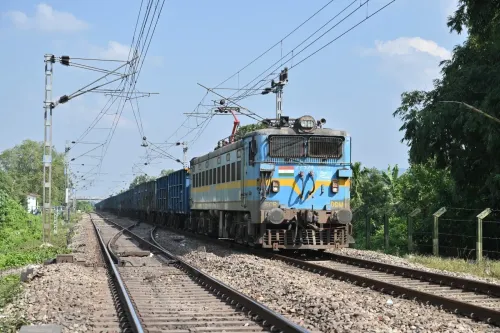
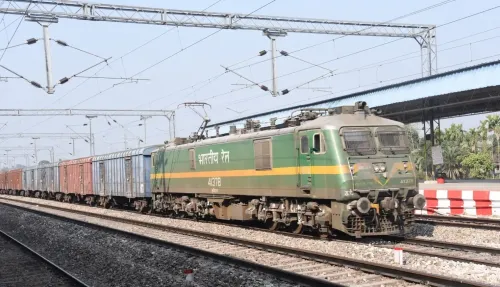
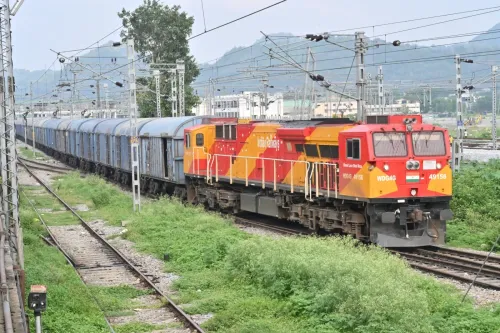
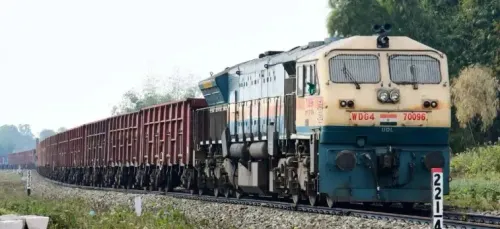
NFR unloads 1,094 freight rakes in September 2026, Assam tops with 585
Synopsis
Northeast Frontier Railway moved 1,094 freight rakes in September 2026, with Assam alone absorbing 585 — more than half the total. The numbers highlight how deeply the landlocked Northeast depends on rail to keep food, fertiliser, and fuel flowing, especially as the rabi season approaches.
Key Takeaways
NFR unloaded 1,094 freight rakes across its zone in September 2026 .
Assam led with 585 rakes , accounting for over half the zonal total.
Tripura recorded 102 rakes ; Manipur 28 , Nagaland 15 , Arunachal Pradesh 6 , and Mizoram 5 .
West Bengal accounted for 208 rakes and Bihar for 145 within the NFR zone.
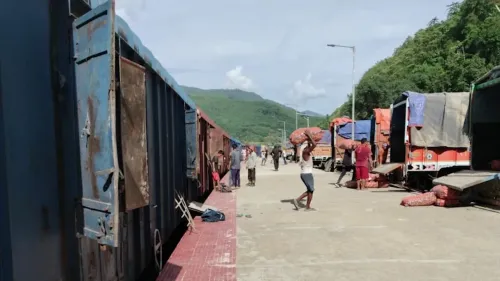
Commodities handled included food grains, fertilisers, sugar, coal, salt, and tank wagons.
Reduced turnaround time and improved unloading efficiency were cited as key operational gains.
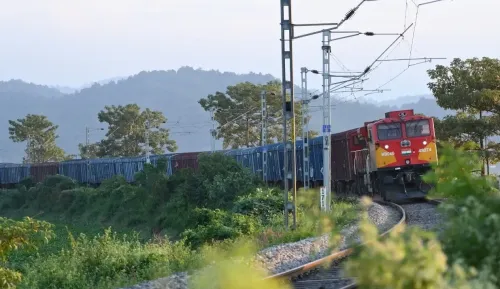
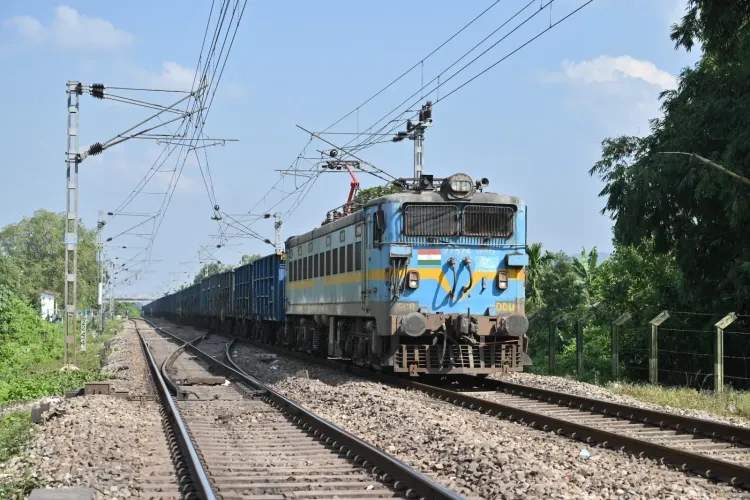
The Northeast Frontier Railway (NFR) unloaded 1,094 freight rakes across its zone in September 2026, ensuring steady supply of essential commodities and industrial goods to the Northeastern states and bolstering regional supply chains, officials confirmed on Monday, 12 October 2026. The figure underscores the railway network's outsized logistical role in a region where road connectivity remains seasonally vulnerable.
State-wise Breakdown
Assam recorded the highest share of unloaded freight rakes at 585, reflecting its position as the primary distribution hub for public distribution systems, industries, and consumers across the Northeast. Tripura followed with 102 rakes, while Manipur accounted for 28, Nagaland for 15, Arunachal Pradesh for six, and Mizoram for five.
Beyond the Northeast
Outside the Northeastern states, West Bengal recorded the unloading of 208 freight rakes and Bihar accounted for 145, further strengthening trade connectivity within the NFR zone. The NFR, headquartered at Maligaon near Guwahati, operates across the Northeastern states as well as in seven districts of West Bengal and five districts of north Bihar.
Commodities Handled
According to NFR Chief Public Relations Officer (CPRO) Kapinjal Kishore Sharma, the commodities handled included food grains, food-grade items, fertilisers, sugar, coal, salt, and tank wagons, among others. These were processed at various goods sheds across the zone, facilitating timely distribution and supporting economic activity in a landlocked region heavily reliant on rail for bulk cargo movement.
Operational Improvements
Sharma noted that regular monitoring at multiple levels had helped reduce turnaround time and improve unloading efficiency during the month. 'The freight operations underline the Railways' role in supplying essential commodities to the Northeast, where rail connectivity remains important for transporting goods from other parts of the country,' he said. This comes amid the Centre's broader push to enhance rail-based logistics in the Northeast as part of its Act East Policy infrastructure drive.
Why It Matters
The Northeast's dependence on rail freight is structurally higher than the national average due to limited road access during monsoon months and the absence of large-scale inland waterway alternatives in several states. An efficient freight cycle directly affects food security, fertiliser availability ahead of the rabi sowing season, and fuel supply to industries. With September 2026 numbers holding steady, NFR's operational focus on turnaround efficiency appears to be yielding measurable results — a trend officials say they aim to sustain into the final quarter of the financial year.
Point of View
But for the Northeast it is a direct proxy for food security and industrial health. Assam absorbing more than half of all unloaded rakes signals that rail remains the backbone of supply chains that road infrastructure cannot yet reliably replace. The real question is whether NFR's efficiency gains — reduced turnaround time, better monitoring — can scale to match the region's growing import dependency, particularly as climate-driven disruptions to road and river routes intensify. A single figure like 1,094 rakes is meaningless without a year-on-year trend; NFR would do well to publish comparative data to let stakeholders assess whether throughput is genuinely improving or just holding steady.
NationPress
13 Oct 2026
Frequently Asked Questions
How many freight rakes did NFR unload in September 2026?
The Northeast Frontier Railway unloaded a total of 1,094 freight rakes across its zone in September 2026. The commodities included food grains, fertilisers, coal, sugar, salt, and tank wagons distributed across various goods sheds in the region.
Which state had the highest freight unloading in September 2026?
Assam recorded the highest number of unloaded freight rakes at 585, more than half the NFR zonal total for September 2026. This reflects its central role as a distribution hub for the public distribution system and industrial supply chains in the Northeast.
Which other Northeastern states received freight rakes in September 2026?
Tripura received 102 freight rakes, Manipur 28, Nagaland 15, Arunachal Pradesh 6, and Mizoram 5 during September 2026. West Bengal and Bihar, which also fall under the NFR zone, accounted for 208 and 145 rakes respectively.
Why is rail freight so important for the Northeastern states?
The Northeast relies heavily on rail freight because road connectivity is seasonally disrupted — particularly during monsoon — and large-scale inland waterway alternatives are limited. Rail is the primary mode for bulk movement of essential commodities such as food grains, fertilisers, and fuel into the landlocked region.
Where is the Northeast Frontier Railway headquartered?
The NFR is headquartered at Maligaon, near Guwahati in Assam. It operates across the Northeastern states and also covers seven districts of West Bengal and five districts of north Bihar.