NHAI deploys 60 sprinklers, 14 anti-smog guns to curb Delhi-NCR air pollution
Synopsis
With Delhi-NCR's winter smog season approaching, NHAI has put 60 water sprinklers, 14 anti-smog guns, 23 road sweeping machines and over 900 workers onto its highway network — while also planting nearly 9.80 lakh trees and recycling 13.58 lakh tonnes of landfill waste into road embankments. It is one of the agency's most visible pre-winter mobilisations yet.
Key Takeaways
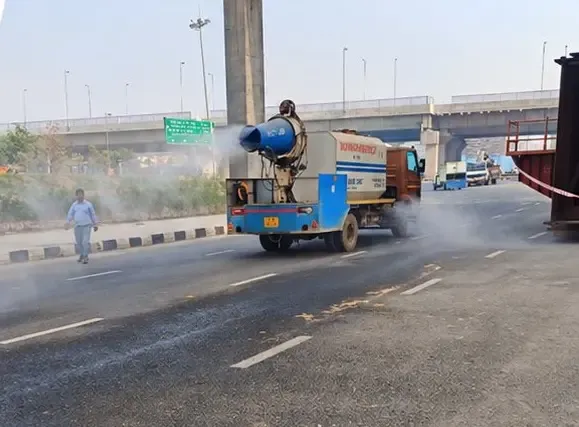
NHAI has deployed around 60 water sprinklers and tankers , 14 anti-smog guns , 23 MRSMs , and over 900 workers on Delhi-NCR highways ahead of winter.
13 mechanical road sweeping machines are operating across 157 km of National Highway stretches in the region.
NHAI Member (Technical) Alok Deepankar reviewed operations and mandated daily monitoring with geo-tagged progress reports.
Measures comply with CAQM norms and are calibrated to active GRAP stages.
9.80 lakh plants have been planted in NCR in FY 2025-26 against a target of 9.52 lakh , with a survival rate exceeding 90% .
Around 13.58 lakh tonnes of inert material from Delhi landfills has been reused in embankment construction of the UER-II and DND–Sohna corridors.
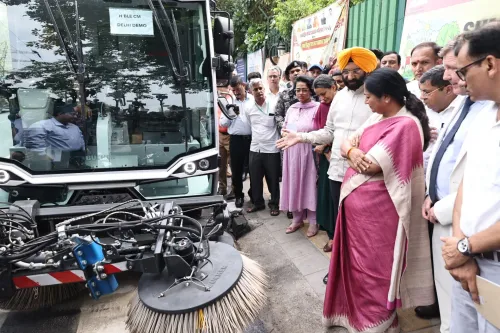
The National Highways Authority of India (NHAI) has significantly scaled up its air pollution control operations across National Highways and Expressways in Delhi-NCR ahead of the winter season, deploying around 60 water sprinklers and tankers, 14 anti-smog guns, 23 mechanical road sweeping machines (MRSMs), two tractor-mounted brooms, and over 900 workers to support dust mitigation, according to an official statement issued on Thursday, 22 October 2026.
Scale of Deployment
In a separate operation, 13 mechanical road sweeping machines are currently active across 157 km of National Highway stretches within Delhi-NCR. The combined force of machinery and manpower represents one of the agency's most intensive pre-winter mobilisations on record for the region.
NHAI Member (Technical) Alok Deepankar personally reviewed the ongoing pollution-control measures and directed field teams to ensure full deployment of equipment, continuous water sprinkling, regular operation of anti-smog guns, and daily mechanical sweeping without interruption.
CAQM Compliance and Monitoring
Deepankar stressed strict adherence to norms established by the Commission for Air Quality Management (CAQM) in Delhi-NCR. These norms mandate covering of construction materials, maintenance of dust-free road surfaces, and intensified measures calibrated to the applicable Graded Response Action Plan (GRAP) stages as air quality deteriorates. NHAI officials have been directed to monitor activities daily and submit progress reports backed by geo-tagged photographs to ensure accountability.
Decongestion Projects Under Review
The review also covered major highway decongestion initiatives in the region, including the Urban Extension Road-II (UER-II), the Dwarka Expressway, the DND–Sohna Expressway, and the Delhi–Dehradun Expressway. These corridors are designed to reduce traffic congestion and, by extension, vehicular emissions — a significant contributor to Delhi-NCR's seasonal smog. Officials were directed to fast-track pending work and resolve public complaints received through the Green Delhi app and social media platforms promptly.
Green Initiatives and Waste Utilisation
Beyond equipment deployment, NHAI has planted around 9.80 lakh plants in NCR during FY 2025-26 against a target of 9.52 lakh, achieving a survival rate of over 90% — a notable overperformance. The agency has also utilised around 13.58 lakh tonnes of inert material sourced from Delhi's landfill sites in the embankment construction of the UER-II and DND–Sohna corridors, supporting sustainable waste management alongside infrastructure development.
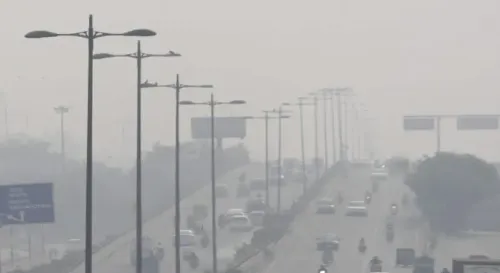
This comes amid Delhi-NCR's annual winter air quality crisis, when a combination of stubble burning, vehicular emissions, and stagnant cold air regularly pushes the Air Quality Index into the 'severe' category. The NHAI's interventions target the construction and highway dust component — one of several pollutant sources regulated under GRAP. Whether the scale of deployment proves sufficient will depend on how quickly GRAP Stage III or IV conditions are triggered this season.
Point of View
But the highway dust component is only one slice of Delhi-NCR's multi-source pollution puzzle — stubble smoke, vehicular tailpipe emissions, and industrial effluents collectively dwarf construction dust in most AQI models. The more significant signal here is the push to fast-track decongestion corridors like UER-II and the Delhi–Dehradun Expressway; reducing stop-start highway traffic cuts vehicular emissions at scale in a way no number of anti-smog guns can. The landfill-to-embankment waste recycling figure — 13.58 lakh tonnes — is also underreported: it quietly addresses two civic crises simultaneously. The real accountability test will be whether geo-tagged daily reports translate into public disclosures under CAQM oversight, or remain internal bureaucratic exercises.
NationPress
22 Oct 2026
Frequently Asked Questions
What pollution-control measures has NHAI deployed on Delhi-NCR highways?
NHAI has deployed around 60 water sprinklers and tankers, 14 anti-smog guns, 23 mechanical road sweeping machines, two tractor-mounted brooms, and over 900 workers across National Highways and Expressways in Delhi-NCR as of 22 October 2026. An additional 13 MRSMs are operating across 157 km of highway stretches in the region.
Why is NHAI ramping up pollution controls now?
The measures are being intensified ahead of Delhi-NCR's winter season, when cold, stagnant air traps pollutants and the Air Quality Index routinely spikes into the 'severe' category. NHAI is required under CAQM norms to scale up dust mitigation in line with applicable GRAP stages.
What is GRAP and how does it affect NHAI's operations?
The Graded Response Action Plan (GRAP) is a set of emergency measures triggered by the Commission for Air Quality Management (CAQM) as Delhi-NCR's air quality worsens across four escalating stages. NHAI is required to intensify dust suppression, covering of construction materials, and road sweeping as higher GRAP stages are activated.
Which highway projects are being reviewed for decongestion?
The review covered the Urban Extension Road-II (UER-II), the Dwarka Expressway, the DND–Sohna Expressway, and the Delhi–Dehradun Expressway. These projects aim to reduce traffic congestion on Delhi-NCR roads and thereby lower vehicular emissions, a key component of winter smog.
How is NHAI contributing to green and sustainability goals in Delhi-NCR?
NHAI has planted approximately 9.80 lakh plants in NCR during FY 2025-26 — surpassing its 9.52 lakh target — with a survival rate of over 90%. Additionally, around 13.58 lakh tonnes of inert material from Delhi's landfill sites has been recycled into embankment construction for the UER-II and DND–Sohna corridors.