Uri-I Stage-II: NHPC begins 240 MW hydro project in J&K's Baramulla
Synopsis
NHPC has formally broken ground on the 240 MW Uri-I Stage-II project in Baramulla — the first blast carried out personally by CMD Bhupender Gupta. Combined with Dulhasti Stage-II, the two schemes will add 500 MW to J&K's grid, pushing NHPC's regional capacity well past 2,500 MW and deepening India's hydropower push in the Himalayan belt.
Key Takeaways
NHPC CMD Bhupender Gupta carried out the first blast for the 240 MW Uri-I Stage-II Hydro Electric Project in Baramulla, Jammu and Kashmir .
The blast formally marks the commencement of major construction activities on the project.
NHPC already operates six hydroelectric projects in J&K with a combined capacity of 2,250 MW .
Uri-I Stage-II and Dulhasti Stage-II together are targeted to add 500 MW of new generation capacity.
NHPC's J&K pipeline also includes projects totalling over 3,000 MW under joint ventures CVPPL and RHPCL .
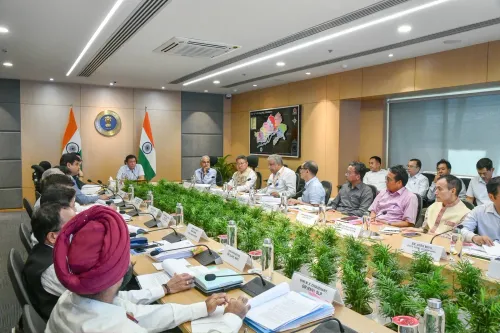
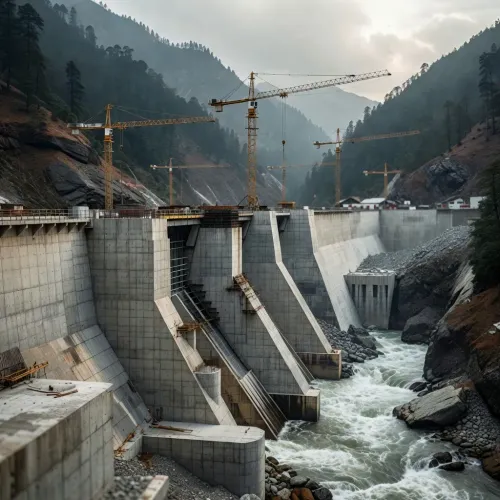
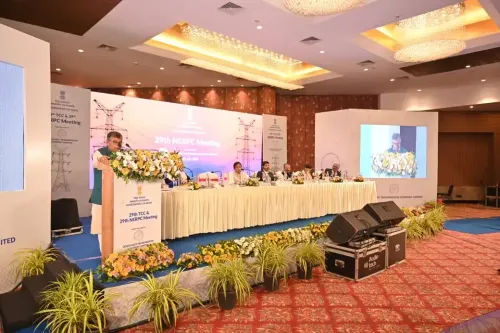
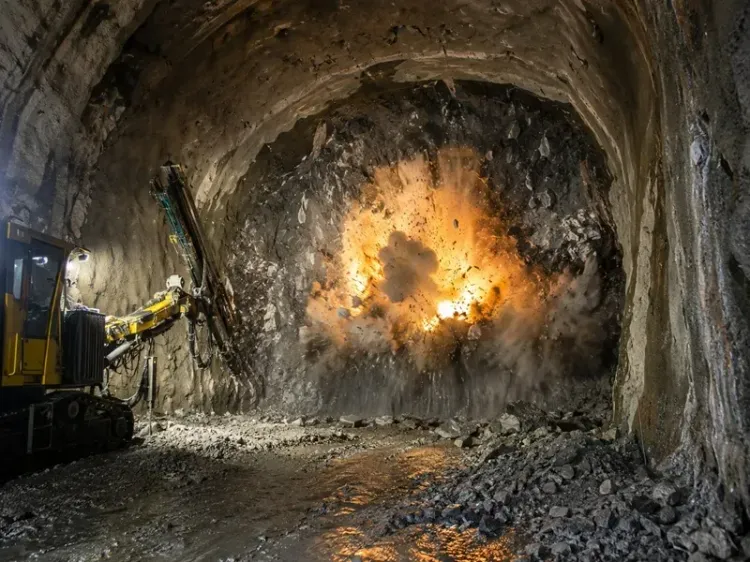
NHPC Chairman-cum-Managing Director Bhupender Gupta on Sunday, 1 June 2025 carried out the first blast for the 240 MW Uri-I Stage-II Hydro Electric Project in the Uri area of Baramulla district, Jammu and Kashmir, formally launching major construction activities on the hydropower scheme. The milestone marks a significant step forward in the region's long-term energy security agenda.
What the First Blast Signals
In hydroelectric construction, the inaugural blast marks the formal commencement of civil and structural work — moving the project from planning into active execution. Officials associated with the project confirmed that the successful blast signals the beginning of the most intensive phase of construction under the Uri-I Stage-II scheme. The 240 MW addition is expected to meaningfully augment electricity availability in Jammu and Kashmir, a region that has historically relied on external power supply to bridge seasonal demand gaps.
NHPC's Existing Footprint in J&K
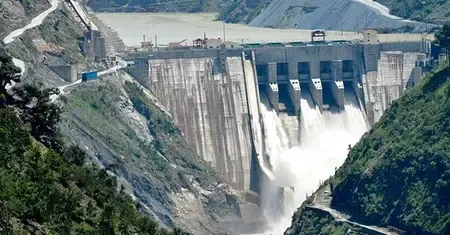
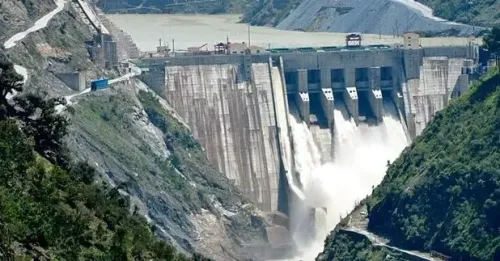
NHPC already operates six major hydroelectric projects in Jammu and Kashmir with a combined installed capacity of 2,250 MW. These include the Salal HEP (690 MW) in Reasi district, Uri-I HEP (480 MW) and Uri-II HEP (240 MW) in Baramulla district, Dulhasti HEP (390 MW) in Kishtwar district, Kishanganga HEP (330 MW) in Bandipora district, and Sewa-II HEP (120 MW) in Kathua district.
Pipeline Projects Under Joint Ventures
Beyond its operational portfolio, NHPC is executing several large-scale projects in J&K through joint venture vehicles — Chenab Valley Power Projects Limited (CVPPL) and Ratle Hydroelectric Power Corporation Limited (RHPCL). These include the Pakal Dul project (1,000 MW) on the Marusudar River in Kishtwar, the Ratle project (850 MW) and Kiru project (624 MW) on the Chenab River in Kishtwar, and the Kwar project (540 MW) also on the Chenab in Kishtwar district.
Capacity Expansion Plan
NHPC has approved a major investment programme covering both Dulhasti Stage-II and Uri-I Stage-II, with the two projects together targeted to add 500 MW of combined generation capacity. This comes amid broader national efforts to harness India's hydropower potential and reduce dependence on thermal and imported power. Notably, Jammu and Kashmir's hydropower resources remain among the most underdeveloped in the country relative to their assessed potential. With construction now formally under way, the pace of execution will be closely watched by energy planners and policymakers in the region.
Point of View
But the real story is the scale of NHPC's bet on Jammu and Kashmir. With over 3,000 MW in the pipeline through joint ventures and another 500 MW now under active construction, the organisation is doubling down on a region whose hydropower potential has been cited — and underutilised — for decades. The critical question is execution speed: J&K's hydro projects have historically faced delays from terrain, logistics, and security constraints. Whether this cycle is different will depend on whether the investment programme is matched by on-ground delivery timelines that actually hold.
NationPress
20 Sept 2026
Frequently Asked Questions
What is the Uri-I Stage-II Hydro Electric Project?
The Uri-I Stage-II Hydro Electric Project is a 240 MW hydroelectric scheme being developed by NHPC in the Uri area of Baramulla district, Jammu and Kashmir. It is designed to augment electricity generation in the region and forms part of NHPC's broader capacity expansion programme in J&K.
Who carried out the first blast for the Uri-I Stage-II project?
NHPC Chairman-cum-Managing Director Bhupender Gupta personally carried out the first blast, formally commencing major construction activities on the project.
How much capacity will Uri-I Stage-II and Dulhasti Stage-II add together?
The two projects — Uri-I Stage-II and Dulhasti Stage-II — are together targeted to add 500 MW of new generation capacity, according to NHPC's approved investment programme.
What is NHPC's current installed capacity in Jammu and Kashmir?
NHPC currently operates six major hydroelectric projects in J&K with a combined installed capacity of 2,250 MW, spanning districts including Baramulla, Reasi, Kishtwar, Bandipora, and Kathua.
What other large hydro projects is NHPC executing in J&K?
NHPC is executing several projects through joint ventures, including Pakal Dul (1,000 MW), Ratle (850 MW), Kiru (624 MW), and Kwar (540 MW) — all in Kishtwar district — through CVPPL and RHPCL.