NHRC summons Punjab Chief Secretary over Tarn Taran bus crash, cites prior safety warnings
Synopsis
The NHRC didn't just react to the Tarn Taran bus crash — it connected the dots. The Commission had already flagged safety violations in Punjab's pilgrim bus scheme, ordered inspections, and received no compliance report. The fatal crash on 14 November 2026 is now the evidence that its warnings were ignored, making this summons as much about institutional accountability as it is about road safety.
Key Takeaways
The NHRC issued a conditional summons to the Chief Secretary, Punjab , over safety violations in buses under the Mukhyamantri Tirth Yatra Yojana .
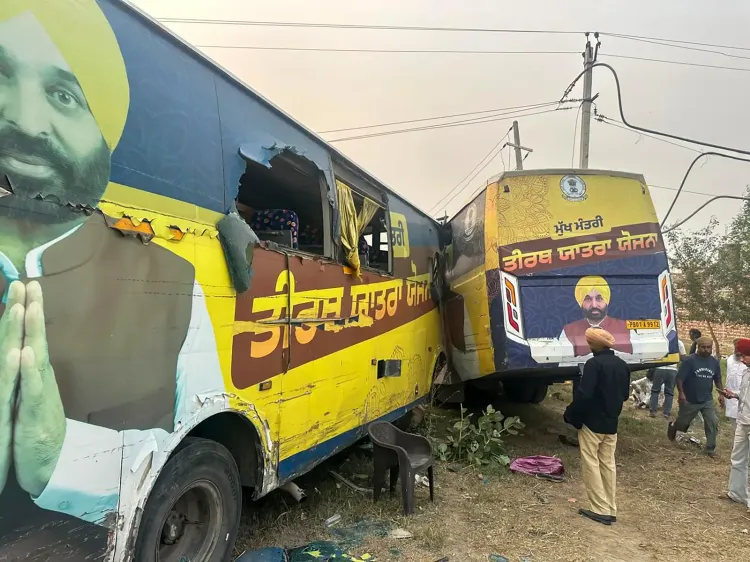
Five people were killed and 16 injured in a head-on collision between two pilgrim buses near Naushehra Pannuan village, Tarn Taran , on 14 November 2026 .
The NHRC had previously directed Punjab to inspect all scheme buses and withdraw non-compliant vehicles — directions the state reportedly failed to act on.
No Action Taken Report was received from the Punjab government despite time-bound NHRC directives.
The Chief Secretary must submit full compliance details or personally appear before the Commission.
The NHRC condemned what it called the 'lackadaisical approach' of Punjab authorities, stressing that passenger safety under government welfare schemes is a direct state responsibility.
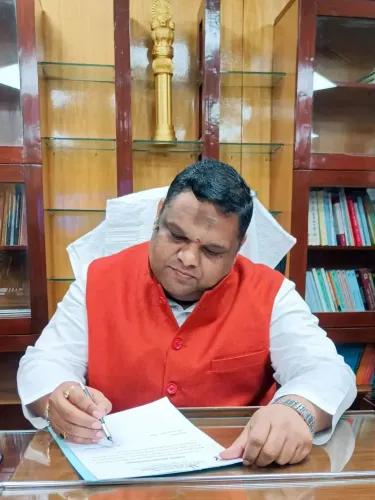
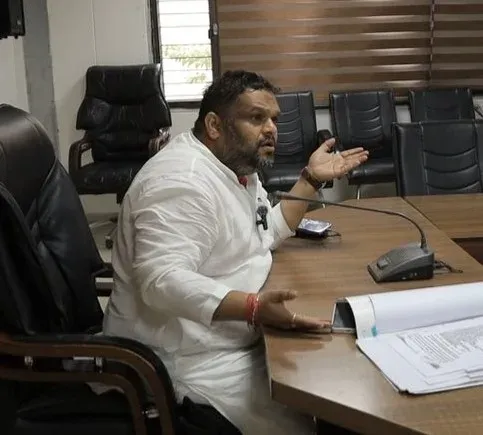
The National Human Rights Commission (NHRC) has issued a conditional summons to the Chief Secretary, Government of Punjab, over what it termed 'serious safety violations' in buses operating under the state's Mukhyamantri Tirth Yatra Yojana, following a deadly head-on collision in Tarn Taran district on 14 November 2026. The summons was issued by a Bench presided over by NHRC member Priyank Kanoongo.
The Tarn Taran Tragedy
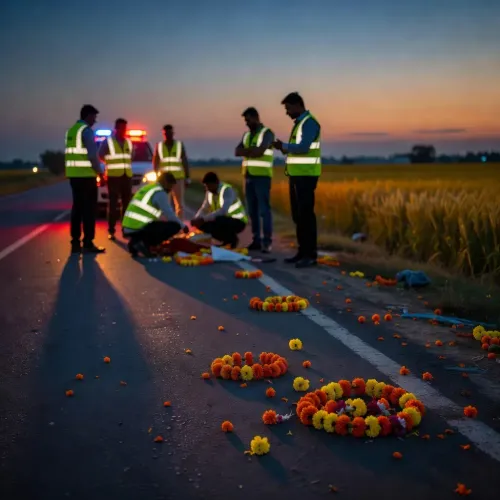
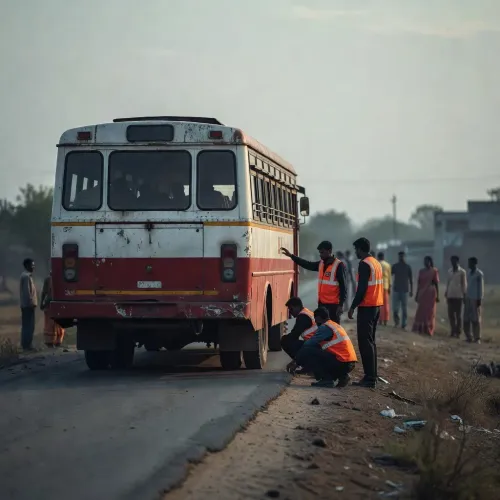
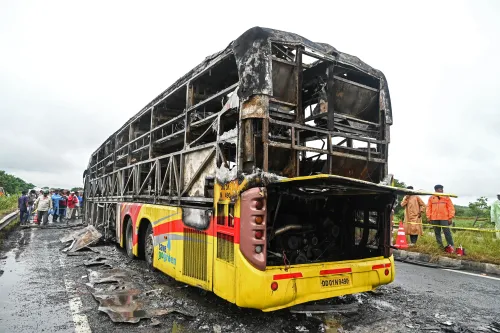
Five people were killed and 16 others injured after two pilgrim buses collided head-on on the Tarn Taran-Bathinda National Highway near Naushehra Pannuan village in Punjab's Tarn Taran district. Both buses were operating under the state government's pilgrimage welfare scheme. The NHRC, in its statement, cited a figure of four reported deaths and around 30 injuries in its own proceedings — a discrepancy attributed to the evolving nature of the reports received by the Commission.
NHRC's Prior Warnings Went Unheeded
The Commission noted that the Tarn Taran accident was not an isolated failure but the culmination of a pattern it had repeatedly flagged. In earlier proceedings, the NHRC had raised concerns over recurring fatal accidents involving passenger and sleeper buses, structural deficiencies, and violations of CIRT guidelines, calling for urgent preventive measures.
A complaint by the Network for Access to Justice and Multidisciplinary Outreach Foundation had specifically highlighted buses deployed under the Mukhyamantri Tirth Yatra Yojana, citing alleged unauthorised structural modifications, obstruction of emergency exits, and deficiencies in fire safety and emergency evacuation arrangements.
The NHRC had directed the Punjab government to inspect all buses under the scheme and immediately withdraw those failing mandatory safety standards. 'However, the state government failed to demonstrate effective action on these directions,' the Commission stated.
Non-Compliance at the Heart of the Summons
The NHRC's sharpest rebuke was reserved for the state's administrative inaction. Despite specific and time-bound directions, the Chief Secretary had not submitted the required Action Taken Report. 'No report indicating the inspections conducted, safety deficiencies identified, corrective measures undertaken or accountability fixed has been received from the State Government till date,' the Commission said.
Deploring what it called the 'lackadaisical approach of the authorities', the NHRC directed the Chief Secretary to personally appear before the Commission if comprehensive reports are not submitted by the stipulated deadline. The Commission has demanded details on bus inspections, safety compliance, corrective action against non-compliant vehicles, and a full account of the 14 November 2026 accident.
State's Accountability Under Scrutiny
The NHRC underscored that welfare schemes sponsored by the government carry an inherent duty of care, particularly toward senior citizens and vulnerable persons who form the primary beneficiary group of the Tirth Yatra scheme. 'Such schemes cannot be implemented at the cost of human life, and compliance with mandatory vehicle safety standards cannot be reduced to a mere procedural formality,' the Commission observed.
This comes amid broader national concern over road safety on state highways, where pilgrim and tourist bus operations have faced recurring scrutiny over ageing fleets and lax enforcement. The Punjab government is yet to issue a formal response to the NHRC summons.
Point of View
Demanded inspections, and set deadlines, all of which Punjab reportedly ignored. The Tarn Taran crash is now a case study in what happens when a state treats human rights compliance as paperwork. That a government-sponsored welfare scheme ferrying senior citizens was operating buses with alleged unauthorised structural modifications and blocked emergency exits raises questions that go beyond negligence — they touch on systemic accountability failure. The Punjab government's silence ahead of this summons will be difficult to defend.
NationPress
15 Nov 2026
Frequently Asked Questions
Why has the NHRC summoned Punjab's Chief Secretary?
The NHRC summoned the Chief Secretary, Government of Punjab, over continued non-compliance with its earlier directives on bus safety under the Mukhyamantri Tirth Yatra Yojana, following a fatal head-on collision on 14 November 2026 in Tarn Taran district that killed five people and injured 16. The Commission had previously ordered inspections of all scheme buses but received no Action Taken Report from the state.
What happened in the Tarn Taran bus accident?
Two buses carrying pilgrims under Punjab's Mukhyamantri Tirth Yatra Yojana collided head-on on the Tarn Taran-Bathinda National Highway near Naushehra Pannuan village on 14 November 2026. Five people were killed and 16 others sustained injuries in the crash.
What safety violations had the NHRC flagged earlier?
The NHRC had previously raised concerns about recurring fatal accidents involving passenger buses, structural deficiencies, and violations of CIRT guidelines. A complaint by the Network for Access to Justice and Multidisciplinary Outreach Foundation had specifically flagged buses under the Tirth Yatra scheme for alleged unauthorised structural modifications, blocked emergency exits, and inadequate fire safety arrangements.
What must Punjab's Chief Secretary submit to the NHRC?
The Chief Secretary must submit details of bus inspections conducted, safety compliance status, corrective measures taken, action against non-compliant vehicles, and a comprehensive report on the 14 November 2026 Tarn Taran accident. Failure to do so by the stipulated deadline will require the Chief Secretary to appear personally before the Commission.
What is the Mukhyamantri Tirth Yatra Yojana?
The Mukhyamantri Tirth Yatra Yojana is a Punjab state government-sponsored welfare scheme that provides pilgrimage travel facilities, primarily to senior citizens and other vulnerable persons, using government-deployed buses. The NHRC has held that the state bears direct responsibility for ensuring the safety of passengers travelling under such government-sponsored programmes.