NIA's 6th Anti-Terror Conference ends with push for cross-border terror crackdown
Synopsis
India's top counter-terror minds spent two days at DRDO Bhawan re-wiring the architecture of the nation's anti-terror response. The headline numbers — 303 fugitives brought back from 36 countries, 50-step investigative checklists, mandatory cyber units for state ATS — point to a system trying to close the gaps that terror networks have historically exploited.
Key Takeaways
The 6th NIA Anti-Terror Conference concluded on 20 November 2026 at DRDO Bhawan, New Delhi , themed around 'Cross-Border Terrorism' .
40 DGs/Heads of State Police and Central agencies and 230 participants from state anti-terror units attended the two-day event.
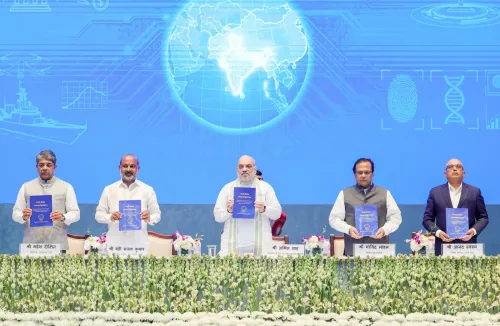
Home Minister Amit Shah released 'Fail-Safe Investigation' — a checklist guide covering 50 key investigative steps to reduce procedural lapses.
Central and state agencies have collectively returned 303 fugitives from 36 countries , according to Shah.
Shah called for mandatory Cyber Expert Units in all state ATS structures to counter rising tech-enabled terrorism.
Foundation stone for a new NIA office complex in Chandigarh was laid; a residential complex at Maidangarhi, Delhi was inaugurated.
The sixth Anti-Terror Conference of the National Investigation Agency (NIA) concluded on Friday, 20 November 2026, at DRDO Bhawan, New Delhi, with a firm resolve to deepen coordination between Central and state agencies, accelerate intelligence-led investigations, and dismantle the full ecosystem of cross-border terrorism. The two-day event, themed 'Cross-Border Terrorism', brought together 40 Director Generals and Heads of State Police and Central agencies, along with 230 participants from state anti-terror investigation units.
Shah's Opening Mandate
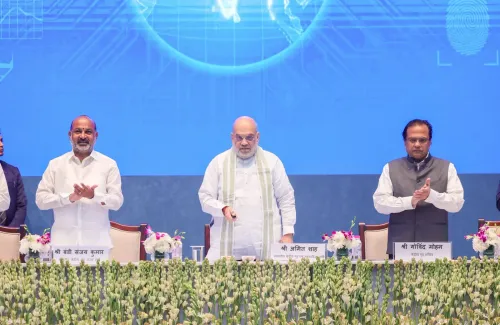
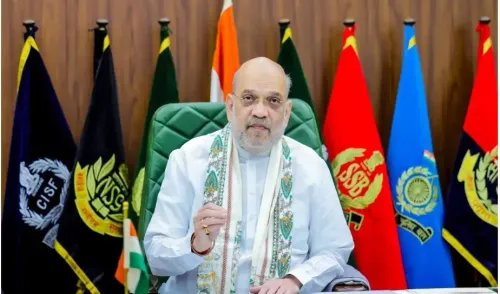
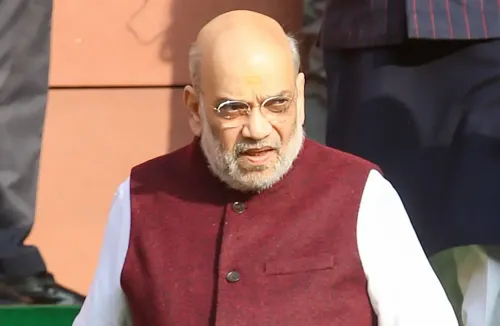
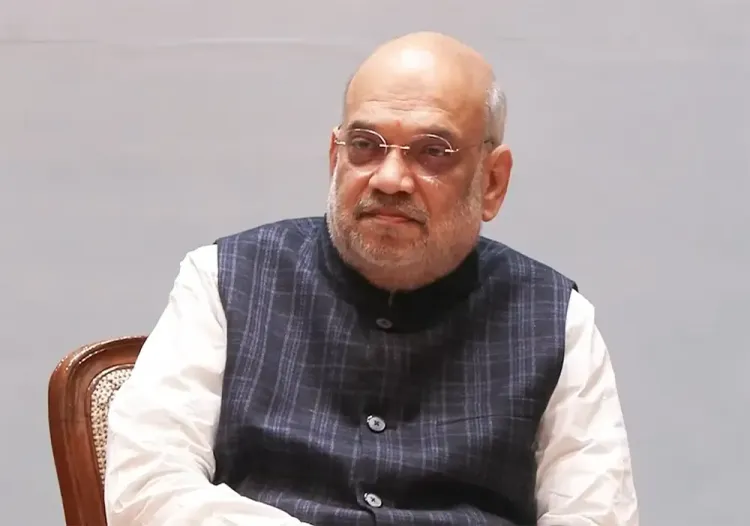
Union Home Minister Amit Shah inaugurated the conference on Thursday, 19 November, reiterating the government's policy of zero tolerance towards terrorism under Prime Minister Narendra Modi. Shah called for a coordinated, whole-of-government strategy to dismantle terror networks in their entirety — including cross-border handlers, financial networks, organised crime linkages, and local facilitators.
He stressed that seamless information flow from ground-level operational units to Central command was not optional but essential. 'Shared and joint goals with clear directions on accountability' were, in his framing, the only path to consistent results against an adaptive threat.
Key Announcements and Launches
Home Minister Shah released NIA's 'Fail-Safe Investigation' publication — a detailed operational guide containing checklists covering 50 key investigative steps. The document is designed to minimise procedural, technical, and legal lapses, thereby strengthening evidence quality for effective prosecution. Analysts note this is a direct response to past cases where terror convictions were challenged on procedural grounds.
Shah also laid the foundation stone for an NIA office complex in Chandigarh and inaugurated a residential complex at Maidangarhi, Delhi — infrastructure moves that expand the agency's operational footprint in two strategically significant cities.
Fugitives, Finance, and the ATS Mandate
Shah lauded the collective effort of Central and state agencies for bringing back 303 fugitives from 36 countries — a figure that reflects widening international law-enforcement cooperation. He identified terrorism, organised crime, and drug trafficking as the three converging threats demanding unified action.
Notably, Shah singled out terror financing as a critical weak point, stressing the need to 'strike the whole chain of terror money' and urging closer ties with agencies conducting financial investigations. He also flagged the rising use of technology by terror operatives, making the case that a dedicated Cyber Expert Unit should be a mandatory feature of every state Anti-Terror Squad (ATS).
Structural Implications for State Forces
The conference's operational recommendations carry direct consequences for state police structures. The directive to strengthen ATS units and embed cyber expertise marks a significant push to bring state-level capacity closer to Central agency standards. This comes amid recurring concerns that inter-agency coordination gaps have allowed suspects to exploit jurisdictional seams.
India has seen multiple incidents where delayed intelligence-sharing between state and Central units was cited as a contributing factor. The 'Fail-Safe Investigation' publication and the cyber-unit mandate are both calibrated to address systemic, not merely individual, failure points.
What Happens Next
Conference outcomes are expected to inform NIA's operational priorities for the coming year, with state forces required to align their ATS structures accordingly. The Chandigarh office, once operational, will extend NIA's reach into the northern border belt — a region of particular concern given cross-border infiltration patterns. How quickly states act on the cyber-unit directive will be a key indicator of whether this year's conference translates into ground-level change.
Point of View
But the proof will be in state-level follow-through — an area where past editions of this very conference have produced more intent than action. Mandating Cyber Expert Units in every state ATS is the right call, yet several states lack both the budget and the trained personnel to operationalise that mandate quickly. The 303-fugitives figure is a genuine diplomatic achievement, but the more telling number is how many of those repatriations led to convictions — data the government has yet to publish. India's counter-terror infrastructure is better coordinated than it was a decade ago; whether the 'Fail-Safe Investigation' checklists actually reduce acquittals is the real test.
NationPress
20 Nov 2026
Frequently Asked Questions
What was the theme and outcome of the 6th NIA Anti-Terror Conference?
The sixth NIA Anti-Terror Conference, themed 'Cross-Border Terrorism', concluded on 20 November 2026 in New Delhi with commitments to tighter Central-state coordination, mandatory cyber units in state ATS structures, and improved terror-financing investigations. The two-day conference at DRDO Bhawan was attended by 40 DGs and 230 anti-terror officials from across India.
What is NIA's 'Fail-Safe Investigation' publication?
It is an operational guide released by Home Minister Amit Shah at the conference, containing checklists for 50 key investigative steps aimed at reducing procedural, technical, and legal lapses in terror cases. The publication is intended to strengthen evidence quality and improve prosecution success rates.
How many fugitives has India brought back and from how many countries?
According to Home Minister Shah, Central and state agencies have collectively facilitated the return of 303 fugitives from 36 countries. Shah cited this as evidence of expanding international law-enforcement cooperation.
Why did Shah call for Cyber Expert Units in state ATS?
Shah highlighted the growing use of technology by terror operatives as a key operational challenge, making it necessary for every state Anti-Terror Squad to have a dedicated Cyber Expert Unit. The directive is aimed at closing the technical capability gap between state forces and terror networks.
What infrastructure did the Centre announce for NIA at the conference?
Home Minister Shah laid the foundation stone for a new NIA office complex in Chandigarh and separately inaugurated a residential complex for NIA personnel at Maidangarhi in Delhi. Both moves expand the agency's operational and housing infrastructure in strategically important locations.