NIA anti-terror conference: Home Secretary Govind Mohan calls for early radicalisation detection
Synopsis
India's top counter-terrorism body clocked a 93% conviction rate in 2026 — but the Home Secretary's message at the NIA's annual conference was clear: early radicalisation detection, state-level PRAHAAR rollout, and closing the investigation-to-prosecution gap are the next frontiers. With 25 exclusive NIA courts operational and 14 more in the pipeline, the architecture of India's anti-terror justice system is being quietly but significantly expanded.
Key Takeaways
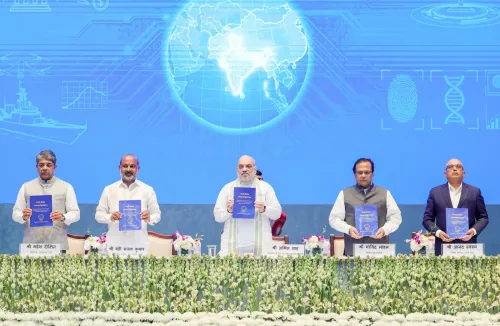
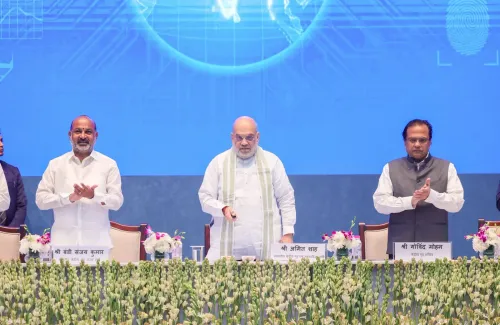
Union Home Secretary Govind Mohan addressed the 6th NIA Anti-Terror Conference on 20 November 2026 in New Delhi .
He called for early radicalisation detection, translation of PRAHAAR framework to state and district levels, and parallel financial investigations in terror cases.
NIA registered 82 cases in 2026 and achieved a 93% conviction rate across 29 judged cases; 123 accused convicted, including 10 death sentences and 14 life terms.
5,800 police personnel trained across 53 programmes ; Technical Support Units set up in all 21 NIA state units.
25 exclusive NIA courts operational; 14 more expected to be established shortly.
Conference covered AI, big data, drone threats, hawala financing, and new criminal law provisions under UAPA and BNSS .
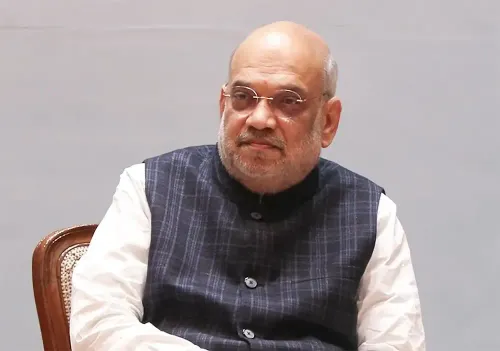
Union Home Secretary Govind Mohan on 20 November 2026 called for early identification of radicalisation, greater use of technology and intelligence platforms, and tighter coordination between investigating and prosecuting agencies, as India sharpens its counter-terrorism machinery. His remarks came during the concluding address at the 6th Anti-Terror Conference of the National Investigation Agency (NIA) in New Delhi.
Key Directions from the Home Secretary
Mohan emphasised the need to translate India's national counter-terrorism framework PRAHAAR into coordinated action at the state, district and police-station levels. He urged states to strengthen their Anti-Terror Squads (ATSs) in line with the Model ATS Structure, enhance specialised training and forensic capabilities, and ensure that financial investigations are launched in parallel with principal terror-offence probes.
The Home Secretary also pressed for a more proactive approach to securing the return of fugitives operating abroad — through updated dossiers, INTERPOL mechanisms and the Extradition Portal — in close coordination with the Ministry of Home Affairs (MHA), the Ministry of External Affairs (MEA) and other stakeholders.
NIA's 2026 Performance: 93% Conviction Rate
The conference served as a stocktaking exercise for the agency's operational record. During 2026, the NIA registered 82 cases. Of the 29 cases in which judgments were pronounced, the agency secured convictions in 27 — a 93% conviction rate — with 123 accused convicted. Among those convicted, 10 received death sentences and 14 were sentenced to life imprisonment.
To build state-level capacity, the NIA trained 5,800 police personnel through 53 training programmes during the year. The agency has also established Technical Support Units in each of its 21 state units to sharpen its use of technology and digital evidence.
Expanding Court and Legal Infrastructure
25 exclusive NIA courts have been set up for expeditious trials, with another 14 likely to be established shortly. The agency has further strengthened its Foreign Investigation Unit through the appointment of International Legal Experts, augmenting its extradition and deportation capability.
Conference Themes: Drones, AI, and Cross-Border Terror
The main track of the conference covered the nexus between organised crime and terrorism, cross-border terror financing, online radicalisation, lone-actor threats and international cooperation. Discussions examined drone use by terrorist networks, cross-border smuggling of arms and narcotics, hawala channels, trade-based money laundering, and extradition mechanisms.
Sessions also reviewed the application of artificial intelligence, big data analytics and digital forensics in counter-terrorism investigations. Track II — focused on prosecution of terror cases and introduced as a regular feature from this year — brought together investigators, prosecutors and legal experts to deliberate on new criminal laws, digital evidence admissibility, trial strategy and special provisions under the UAPA and BNSS. Government platforms including e-Sakshya, e-Prosecution and e-Forensics were also reviewed.
This comes amid a broader national push to align India's counter-terrorism ecosystem — from ground-level policing to international legal cooperation — with the vision of Viksit Bharat 2047. The next phase will test whether conference directives translate into on-ground structural upgrades across states.
Point of View
Which means the bulk of the caseload is still working through a system the Home Secretary himself acknowledged needs faster prosecution pipelines. The push to roll PRAHAAR down to the police-station level is strategically sound but historically the hardest link in India's counter-terror chain, where state capacity, political will and resource allocation have repeatedly fallen short. The addition of Track II — prosecutorial collaboration — suggests the NIA is learning from past acquittals driven by sloppy evidence handling, not just weak investigation. Whether 14 more NIA courts and AI-driven forensics can bridge the last mile remains the real test.
NationPress
20 Nov 2026
Frequently Asked Questions
What is the PRAHAAR counter-terrorism framework?
PRAHAAR is India's national counter-terrorism framework that the Home Secretary has called on states to translate into coordinated action at the state, district and police-station levels. It is designed to standardise and strengthen India's counter-terrorism response across agencies.
What is the NIA's conviction rate in 2026?
The NIA achieved a 93% conviction rate in 2026, securing convictions in 27 of the 29 cases in which judgments were pronounced, with 123 accused convicted. Among those convicted, 10 received death sentences and 14 were sentenced to life imprisonment.
What new infrastructure has the NIA built for counter-terrorism?
The NIA has established Technical Support Units in each of its 21 state units to enhance digital evidence capability, and set up 25 exclusive NIA courts for faster trials, with 14 more expected shortly. It has also strengthened its Foreign Investigation Unit with International Legal Experts.
What were the main themes of the 6th NIA Anti-Terror Conference?
The conference covered the organised crime-terrorism nexus, online radicalisation, cross-border terror financing through hawala and trade-based money laundering, drone use by terrorist networks, and the application of AI and digital forensics. Track II focused on prosecutorial best practices under the UAPA and BNSS.
How is the NIA addressing the return of terror suspects from abroad?
Home Secretary Govind Mohan called for updated dossiers, use of INTERPOL mechanisms and the Extradition Portal, in coordination with the MHA and MEA, to secure the return of fugitives operating from foreign soil.