NIA tracks West Bengal youths brainwashed by 4 arrested JMB operatives
Synopsis
The NIA has arrested four JMB-linked operatives across two West Bengal districts and is now tracking youths allegedly radicalised through a Telegram channel called 'Purba Akash'. Seized documents list names of potential recruits across multiple districts — and a fifth suspect remains on the run, deepening concerns about an active JMB sleeper cell network in the state.
Key Takeaways
The NIA arrested four JMB-linked suspects from East Burdwan and South 24 Parganas on 1 October 2026 .
The arrested individuals are Piar Mohammad Sheikh , Jumman Sheikh , Shahrul Purrkait , and Abdul Rafiq .
A fifth suspect, Mujibur Rahman of South Dinajpur , evaded arrest and is currently at large.
The JMB allegedly used a Telegram channel named 'Purba Akash' followed by encrypted chats to radicalise recruits.
Recovered evidence includes mobile phones , SIM cards , jihadi literature , and documents naming youths contacted by the accused.
The NIA is now tracking these named youths as part of its broader operation to dismantle JMB sleeper cells in West Bengal.
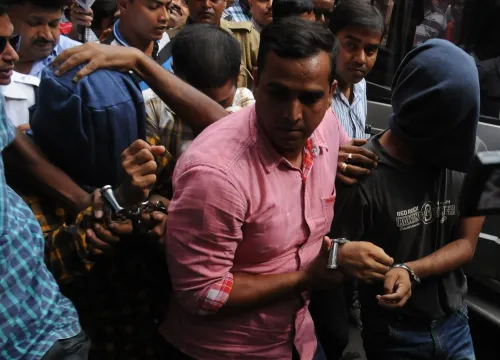
The National Investigation Agency (NIA) has launched a targeted tracking operation in West Bengal to identify youths who were allegedly brainwashed by associates of the banned Bangladesh-based militant outfit Jamaat-ul-Mujahideen Bangladesh (JMB), following the arrest of four JMB-linked suspects from two districts of the state on Tuesday, 1 October 2026. Crucial documents recovered from the arrested individuals reportedly contain names of youths from multiple districts who were in regular contact with the accused.
The Four Arrests and Where They Were Made
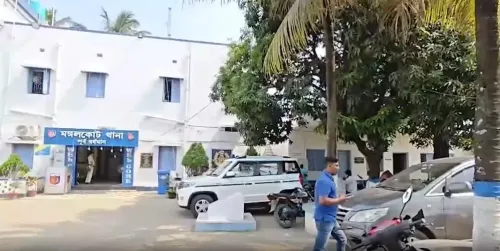
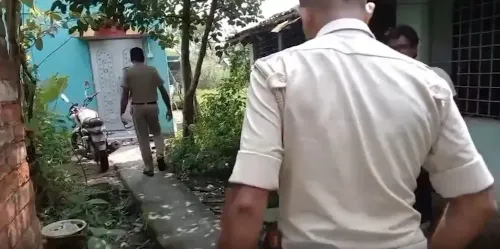
The NIA's first arrest of the day was Piar Mohammad Sheikh, an Imam attached to a mosque in Palishgram village under Mangalkot Police Station in East Burdwan district, detained on suspicion of harbouring terror links. Later the same day, three other individuals — Jumman Sheikh from Mithapukur, Shahrul Purrkait from Balarampur, and Abdul Rafiq from Narendrapur — were arrested from South 24 Parganas district. The agency also conducted a raid at the residence of a fifth suspect, Mujibur Rahman, a resident of Banshihari-Kushkari village in South Dinajpur, but he was reportedly not present and remains at large.
The Two-Step Radicalisation Method
According to sources aware of the investigation, the JMB associates allegedly used a structured two-step method to recruit vulnerable youths from a specific community in West Bengal. In the first step, the outfit's ideology was spread through a Telegram channel named 'Purba Akash'. Youths who responded positively to those messages were then approached individually or in small groups and subjected to systematic brainwashing. Once the indoctrination phase was complete, the associates allegedly communicated with shortlisted recruits through encrypted chats, guiding them on how to carry out activities described as network-building and sabotage across different parts of the country.
Evidence Recovered and Funding Mechanism
NIA sleuths recovered multiple mobile phones, SIM cards, and jihadi literature from the four arrested individuals. The suspects had reportedly established their own crowdfunding mechanism to raise finances for the outfit, though the exact amounts involved have not been officially disclosed. The documents seized are now central to the ongoing effort to map the full extent of JMB's outreach network across West Bengal districts.
Coordinated Raids Across West Bengal
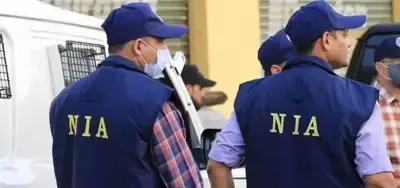
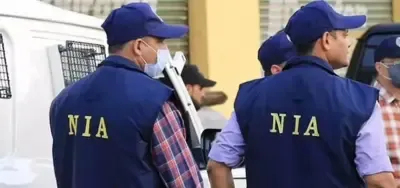
Tuesday's arrests were the result of simultaneous raids and search operations launched by multiple NIA teams at various locations across West Bengal on the morning of 1 October 2026, as part of the agency's continuing investigation to dismantle JMB's alleged sleeper cell network in the state. This comes amid a broader national concern about cross-border radicalisation, particularly in border-adjacent districts of West Bengal, where JMB — designated a terrorist organisation — has previously attempted to establish a foothold. Notably, earlier NIA operations in the region had similarly linked local recruiters to the Bangladesh-based outfit, suggesting a pattern of persistent infiltration attempts.
The investigation is ongoing, with the NIA expected to press for custodial interrogation of the four arrested individuals while continuing the search for the absconding suspect Mujibur Rahman.
Point of View
Encrypted chats for activation — that mirrors tactics used by multiple proscribed outfits globally. What is striking is the use of a local Imam as an alleged entry point, which speaks to the depth of community-level penetration. The recovery of documents listing youths by name suggests this is not a fringe operation but a managed recruitment drive. West Bengal's long, porous border with Bangladesh and the persistence of JMB-linked cases over successive years point to a structural vulnerability that law enforcement action alone cannot fully address without complementary counter-radicalisation frameworks.
NationPress
1 Oct 2026
Frequently Asked Questions
Who were the four persons arrested by the NIA in West Bengal on 1 October 2026?
The NIA arrested Piar Mohammad Sheikh , an Imam from Palishgram village in East Burdwan, and Jumman Sheikh , Shahrul Purrkait , and Abdul Rafiq from South 24 Parganas district, all on suspicion of links to the banned militant outfit Jamaat-ul-Mujahideen Bangladesh (JMB).
What is the Telegram channel 'Purba Akash' and how was it used?
'Purba Akash' is a Telegram channel allegedly run by JMB associates to spread the outfit's ideology and identify susceptible youths. Individuals who responded positively were subsequently contacted in person or in small groups, brainwashed, and then communicated with via encrypted chats about carrying out terror-related activities.
Who is Mujibur Rahman and why is he significant to the NIA investigation?
Mujibur Rahman is a named JMB associate and resident of Banshihari-Kushkari village in South Dinajpur who evaded arrest when the NIA raided his residence on 1 October 2026. His continued evasion is significant because he is believed to be part of the same network and his apprehension could yield further intelligence on the outfit's West Bengal operations.
What evidence did the NIA recover from the arrested JMB suspects?
The NIA recovered multiple mobile phones, SIM cards, jihadi literature, and — critically — documents listing the names of youths from several West Bengal districts who were allegedly in regular contact with the four arrested persons. These documents are now the basis of the NIA's ongoing tracking operation.
Why is West Bengal a focus of JMB-linked terror investigations?
West Bengal shares a long border with Bangladesh and has historically been identified by security agencies as vulnerable to cross-border infiltration by JMB, which is designated a terrorist organisation in India. Multiple prior NIA operations in the state have uncovered JMB-linked recruiters, indicating a persistent pattern of network-building attempts.