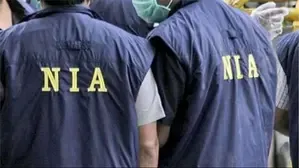
NIA arrests Kolkata resident Zafar Riaz for spying for Pakistan
Synopsis
The NIA has arrested a Kolkata resident — already a convicted spy — for allegedly running OTP-based WhatsApp covert channels for Pakistani intelligence. With a Pakistani wife, Pakistani-citizen children, and 20 years of cross-border travel, Zafar Riaz represents the kind of deeply embedded espionage asset that security agencies say is hardest to detect and most damaging to national security.
Key Takeaways
The NIA arrested Zafar Riaz alias Rizvi , a Kolkata resident, on 20 May for allegedly spying for Pakistan .
Riaz had been travelling between India and Pakistan since 2005 and was allegedly recruited by Pakistan Intelligence Officers (PIOs) for financial gain and the promise of Pakistani citizenship.
He allegedly provided OTPs of Indian telecom numbers to activate WhatsApp accounts used for covert communication with co-accused Motiram Jat .
Riaz had a prior conviction in an espionage case under the IPC and the Official Secrets Act .
He has been charged under the Bharatiya Nyaya Sanhita (BNS) , the Official Secrets Act , and the Unlawful Activities (Prevention) Act (UAPA) .
The NIA is continuing its investigation to identify other members of the alleged espionage network.
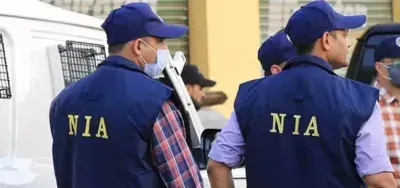
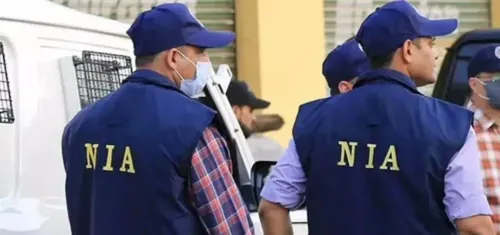
The National Investigation Agency (NIA) has arrested a Kolkata resident for allegedly passing confidential security-related information to Pakistan Intelligence Officers (PIOs) as part of an anti-India espionage conspiracy, the agency confirmed in a statement on Wednesday, 20 May. The accused, Zafar Riaz alias Rizvi, had a Look Out Circular (LOC) issued against him and was on the verge of being declared a Proclaimed Offender (PO) at the time of his arrest.
Who Is Zafar Riaz
Zafar Riaz is a Kolkata-based individual with deep cross-border ties — his wife is a Pakistani national and his children hold Pakistani citizenship. He had been travelling frequently between India and Pakistan since 2005. According to the NIA, during one such visit he was allegedly contacted and cultivated by PIOs, who offered him financial inducements and the promise of Pakistani citizenship in exchange for carrying out espionage activities inside India. Notably, Riaz had previously been convicted in a separate espionage case under the Indian Penal Code (IPC) and the Official Secrets Act, making this a repeat offence.
How the Espionage Network Operated
The NIA's investigation reveals a methodical operation. Riaz allegedly provided One-Time Passwords (OTPs) of Indian telecom mobile numbers to a PIO, enabling the activation of WhatsApp accounts used for covert communication. These accounts were then used to secretly communicate with Motiram Jat, another accused in the same case, who was also engaged in conveying secret security-related information to the PIO. The use of Indian SIM-linked OTPs to mask communication channels is a tactic that investigators say complicates digital surveillance.
Charges Filed
Riaz has been booked under multiple statutes — sections of the Bharatiya Nyaya Sanhita (BNS), the Official Secrets Act, and the Unlawful Activities (Prevention) Act (UAPA). The invocation of UAPA signals that investigators view this not merely as an espionage case but as part of a broader anti-India terror conspiracy.
Wider Investigation
The NIA has stated that its investigation is continuing, with efforts under way to identify and trace other individuals involved in the espionage network and to fully map the larger conspiracy. The arrest comes amid heightened security scrutiny across West Bengal, a state that shares a sensitive international border with Bangladesh and has historically been flagged in intelligence assessments for cross-border infiltration risks. This case underlines growing concerns about Pakistan-linked spy networks operating through civilian cover in Indian border states.
Point of View
Not merely a secrets case — a legal escalation with significant implications for bail prospects and trial timelines.
NationPress
26 Sept 2026
Frequently Asked Questions
Who is Zafar Riaz and why was he arrested?
Zafar Riaz, also known as Rizvi, is a Kolkata resident arrested by the NIA on 20 May for allegedly passing confidential security-related information to Pakistan Intelligence Officers as part of an anti-India espionage conspiracy. He had previously been convicted in a separate espionage case under the IPC and the Official Secrets Act.
What charges has the NIA filed against Zafar Riaz?
Riaz has been charged under sections of the Bharatiya Nyaya Sanhita (BNS), the Official Secrets Act, and the Unlawful Activities (Prevention) Act (UAPA). The UAPA charge indicates investigators believe his actions were linked to a broader anti-India terror conspiracy.
How did the alleged spy network operate?
According to the NIA, Riaz provided OTPs of Indian telecom mobile numbers to a Pakistani intelligence officer, enabling the activation of WhatsApp accounts used for covert communication. These accounts were then used to exchange secret security-related information with co-accused Motiram Jat.
What is the significance of Riaz's family ties to Pakistan?
Riaz's wife is a Pakistani national and his children hold Pakistani citizenship, which investigators say facilitated his frequent travel between India and Pakistan since 2005. It was during one such visit that he was allegedly recruited by Pakistani intelligence officers.
Is the NIA investigating others in this espionage case?
Yes. The NIA has confirmed that its investigation is ongoing, with efforts to identify and trace other individuals involved in the espionage network and to fully uncover the larger conspiracy behind the operation.