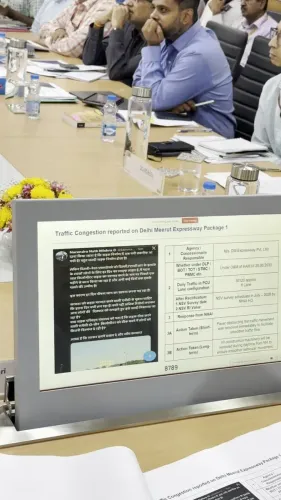
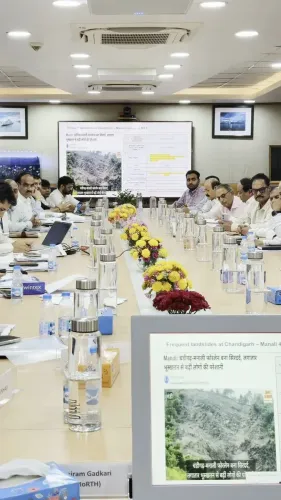
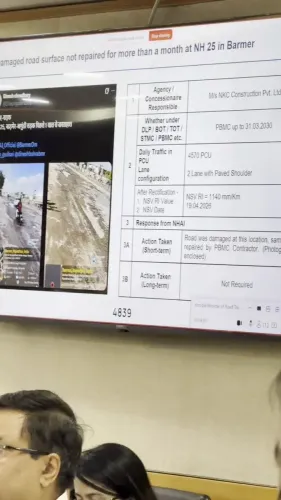
Gadkari orders monsoon readiness push on 7,770 km of National Highways
Synopsis
With the southwest monsoon advancing, Union Minister Nitin Gadkari has put 7,770 km of National Highways across Telangana, J&K, and Ladakh under a monsoon-readiness directive — ordering drainage management, slope stabilisation, and rapid-response deployment. The review signals the Centre's intent to prevent the annual cycle of weather-triggered highway shutdowns that have historically cut off connectivity in vulnerable mountain corridors.
Key Takeaways
Nitin Gadkari issued monsoon-preparedness directives on 25 June during review meetings in New Delhi .
Reviews covered 7,770 km of National Highways: 4,931 km in Telangana , 2,035 km in Jammu and Kashmir , and 804 km in Ladakh .
Officials directed to deploy rapid-response systems , strengthen drainage management , and undertake slope stabilisation works.
Feedback for the reviews was drawn from media, social media, NHAI , NHIDCL , and project contractors.
Gadkari stressed timely project completion, quality assurance, and adoption of advanced construction technologies.
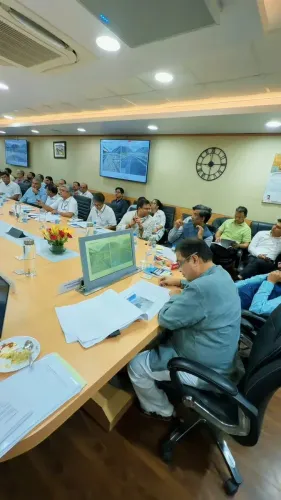
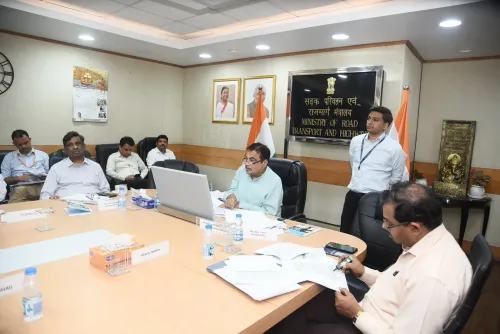
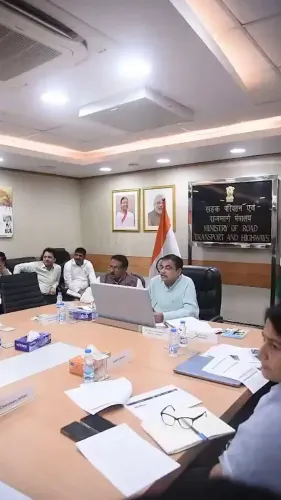
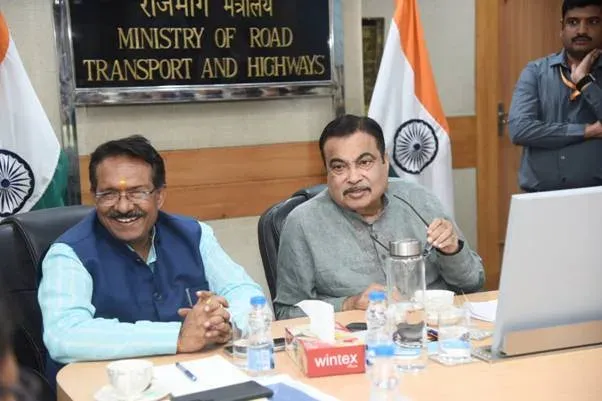
Union Minister for Road Transport and Highways Nitin Gadkari on Thursday, 25 June directed officials and executing agencies to ensure comprehensive monsoon preparedness across National Highway projects, instructing them to deploy rapid-response systems and strengthen drainage and slope-protection works to minimise weather-related disruptions. The directives were issued during a series of high-level review meetings held in New Delhi, according to an official statement from the Ministry of Road Transport and Highways (MoRTH).
Projects Under Review
The review meetings covered National Highway corridors spanning a combined 7,770 km across three regions: 4,931 km in Telangana, 2,035 km in the Union Territory of Jammu and Kashmir, and 804 km in the Union Territory of Ladakh. The assessments drew on feedback from media reports, social media platforms, field officials, the National Highways Authority of India (NHAI), the National Highways and Infrastructure Development Corporation Limited (NHIDCL), and project contractors, MoRTH said.
Key Directives Issued
During the meetings, Gadkari assessed the status of ongoing projects, maintenance activities, and quality assurance measures. He directed agencies to accelerate project implementation without compromising on quality or accountability. Officials were specifically instructed to strengthen monitoring mechanisms, ensure timely completion, and adopt advanced construction technologies to improve asset durability, riding comfort, and the long-term performance of highway corridors.
On monsoon preparedness, the minister underscored the importance of effective drainage management, slope stabilisation, and protection works, alongside the deployment of rapid-response teams capable of addressing weather-triggered disruptions swiftly. These steps, he said, are essential to maintaining uninterrupted connectivity and road safety across the National Highway network.
Broader Infrastructure Goals
Gadkari also highlighted the wider economic and social significance of well-maintained highway infrastructure, noting its role in enhancing regional connectivity, facilitating economic growth, promoting tourism, and improving commuter convenience. He reiterated that timely execution, quality assurance, and the adoption of modern engineering solutions remain the sector's core priorities.
Notably, the review comes just as the southwest monsoon advances across multiple states, making drainage and slope stability on mountain and plateau-region highways — particularly in Jammu and Kashmir and Ladakh — a matter of urgent operational concern. Landslide-prone stretches on National Highways in these territories have historically caused prolonged disruptions during peak rainfall months.
What Comes Next
Executing agencies, including NHAI and NHIDCL, are expected to operationalise the rapid-response and drainage protocols ahead of the peak monsoon period. Compliance on project timelines and quality benchmarks will be tracked through the strengthened monitoring mechanisms Gadkari has now mandated.
Point of View
840 km of the corridors scrutinised, and both territories have a documented history of monsoon-triggered highway closures that strand civilians and complicate military logistics. Ordering rapid-response deployment and slope stabilisation ahead of peak rainfall is operationally sound, but the real accountability test lies in execution — MoRTH reviews have previously produced similar directives that did not prevent seasonal disruptions. Whether NHAI and NHIDCL translate this round of instructions into measurable on-ground readiness, rather than compliance paperwork, will determine whether the directive moves the needle.
NationPress
25 Jun 2026
Frequently Asked Questions
What did Nitin Gadkari direct regarding National Highway monsoon preparedness?
Gadkari directed officials and executing agencies to deploy rapid-response systems, strengthen drainage management, and carry out slope stabilisation and protection works across National Highway projects to minimise weather-related disruptions during the monsoon season. The directives were issued on 25 June during review meetings in New Delhi.
Which regions were covered in the National Highway review meetings?
The reviews covered 7,770 km of National Highways across three regions: 4,931 km in Telangana, 2,035 km in the Union Territory of Jammu and Kashmir, and 804 km in the Union Territory of Ladakh.
Which agencies are responsible for implementing the monsoon-readiness measures?
The National Highways Authority of India (NHAI) and the National Highways and Infrastructure Development Corporation Limited (NHIDCL) are the primary executing agencies responsible for implementing the directives, along with project contractors on the ground.
Why is monsoon preparedness on National Highways particularly important for J&K and Ladakh?
Jammu and Kashmir and Ladakh contain landslide-prone and mountainous highway stretches that have historically suffered prolonged closures during heavy rainfall, disrupting civilian connectivity and logistical access. Advance slope stabilisation and drainage work are considered critical to preventing such shutdowns.
What broader goals did Gadkari highlight during the review meetings?
Beyond monsoon readiness, Gadkari emphasised accelerating project implementation, adopting advanced construction technologies, improving asset durability and riding comfort, and ensuring that well-maintained highways support regional connectivity, economic growth, and tourism.