Gujarat HC upholds death sentence for 38 in 2008 Ahmedabad blasts case
Synopsis
Seventeen years after 21 bombs tore through Ahmedabad in 70 minutes, the Gujarat High Court has confirmed death sentences for 38 convicts — making this one of the largest capital punishment rulings in a single terror case in Indian legal history. The state government has pledged immediate compensation to victims' families.
Key Takeaways
The Gujarat High Court upheld the death penalty for 38 convicts and life imprisonment for 11 others in the 2008 Ahmedabad serial bomb blasts case.
The court confirmed the February 2022 special court verdict after years of legal proceedings.
The 26 July 2008 attacks involved 21 bombs detonating across Ahmedabad in about 70 minutes , killing 56 people and injuring over 200 .
The High Court ordered compensation of ₹10 lakh for families of the deceased, ₹5 lakh for grievously injured victims, and ₹1 lakh for those with simple injuries.
Deputy Chief Minister Harsh Sanghavi said the Gujarat government would implement compensation directives 'with immediate effect.'
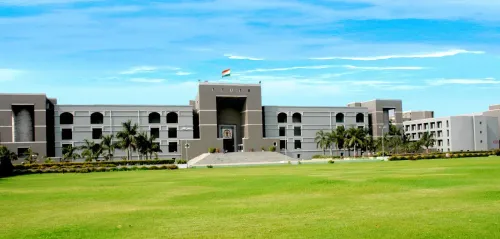
The Gujarat High Court on 8 July 2025 upheld the death sentences of 38 convicts and life imprisonment for 11 others in the 2008 Ahmedabad serial bomb blasts case, confirming the February 2022 special court verdict in one of India's deadliest urban terror attacks. The ruling drew an immediate response from the state government, with Deputy Chief Minister Harsh Sanghavi calling it a 'historic victory' in the country's fight against terrorism.
What the High Court Ruled
The court upheld the trial court's sentencing in full — death penalty for 38 convicts and life imprisonment for 11 others. Beyond sentencing, the bench also directed compensation: ₹10 lakh for families of those killed, ₹5 lakh for victims who suffered grievous injuries, and ₹1 lakh for those with simple injuries. The judgment closes a legal chapter that has stretched over 17 years since the attacks.
The 2008 Ahmedabad Blasts: What Happened
On 26 July 2008, 21 bombs exploded across Ahmedabad within approximately 70 minutes, striking buses, crowded public spaces, and hospitals that were treating the injured from earlier blasts. The coordinated attacks claimed 56 lives and left more than 200 people injured. The scale and sequencing of the strikes — including targeting first-responder locations — marked it as one of the most calculated terror operations on Indian soil.
What the Government Said
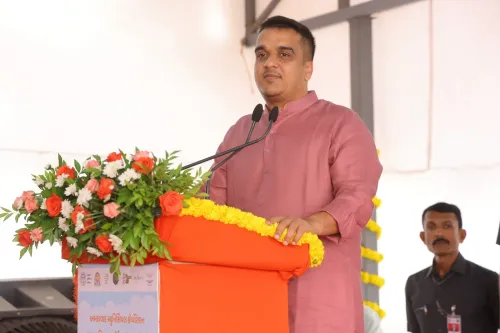
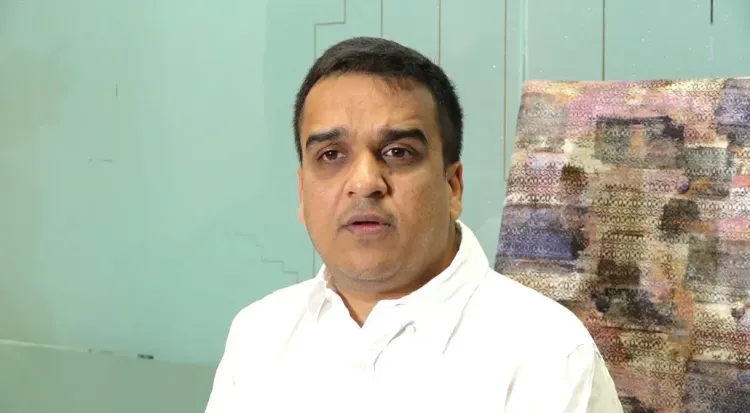
Addressing reporters at GIFT City in Gandhinagar, Deputy Chief Minister Harsh Sanghavi said the verdict carried significance well beyond Gujarat. 'There is no place for terrorism in Gujarat or India. This strong verdict will prove to be a landmark in the country's history,' he said. Sanghavi described the judgment as delivering 'true justice' to victims, their families, and the citizens of Gujarat, and credited investigators for pursuing the case 'without any legal lapses or compromises, day and night, for years.'
He also announced that the state government led by Chief Minister Bhupendra Patel would implement the High Court's compensation directions 'with immediate effect' — ₹10 lakh to families of the deceased and ₹5 lakh to grievously injured survivors.
Significance and What Comes Next
The verdict is among the largest mass-conviction death penalty rulings in Indian legal history by number of convicts sentenced to death in a single case. It comes amid a broader judicial reckoning with terror cases from the 2000s, several of which have wound through India's courts for over a decade. With the High Court's confirmation, the case now moves toward potential Supreme Court scrutiny, as convicts facing capital punishment retain the right to appeal. The state government has signalled it will stand by the affected families through the compensation process.
Point of View
But it also underscores how long India's counter-terror justice machinery can take — 17 years from attack to appellate confirmation. The compensation framework ordered by the court is notable: courts increasingly stepping in to mandate victim relief where executive action has been slow. With the case now likely headed to the Supreme Court on death-row appeals, the final chapter is still unwritten — and the gap between verdict and execution in India's capital punishment cases remains one of the justice system's most contested fault lines.
NationPress
7 Jul 2026
Frequently Asked Questions
What did the Gujarat High Court rule in the 2008 Ahmedabad blasts case?
The Gujarat High Court upheld the death sentences of 38 convicts and life imprisonment for 11 others, confirming the February 2022 special court verdict in the 2008 Ahmedabad serial bomb blasts case. The court also directed compensation for victims and their families.
What happened in the 2008 Ahmedabad serial bomb blasts?
On 26 July 2008, 21 bombs exploded across Ahmedabad within approximately 70 minutes, targeting buses, crowded public places, and hospitals. The attacks killed 56 people and injured more than 200 others.
What compensation has the Gujarat High Court ordered for blast victims?
The court ordered ₹10 lakh for families of those killed, ₹5 lakh for victims who suffered grievous injuries, and ₹1 lakh for those with simple injuries. The Gujarat government has said it will implement these directions immediately.
What did Deputy CM Harsh Sanghavi say about the verdict?
Sanghavi called the verdict a 'historic victory' in India's fight against terrorism, saying it sends 'a strong and powerful message' to the entire country and peace-loving nations worldwide. He also announced the state government's commitment to compensate affected families without delay.
What happens next after the Gujarat High Court verdict?
Convicts sentenced to death retain the right to appeal to the Supreme Court of India, making further legal proceedings likely. The Gujarat government has meanwhile committed to implementing the High Court's compensation directives with immediate effect.