Omar Abdullah Corrects JP Nadda on J&K SSB Paper Leak Date
Synopsis
J&K Chief Minister Omar Abdullah publicly corrected BJP president JP Nadda on the SSB paper leak, clarifying it happened in 2022 under LG-headed central administration. He also demanded the release of a High Level Committee report on the incident, citing unresolved J&K High Court orders.
Key Takeaways
Omar Abdullah confirmed the J&K SSB paper leak occurred in 2022 , under a government headed by the Lieutenant Governor , not the NC-Congress coalition.
BJP president JP Nadda had referenced the leak publicly but cited an incorrect period, prompting the Chief Minister's rebuttal.
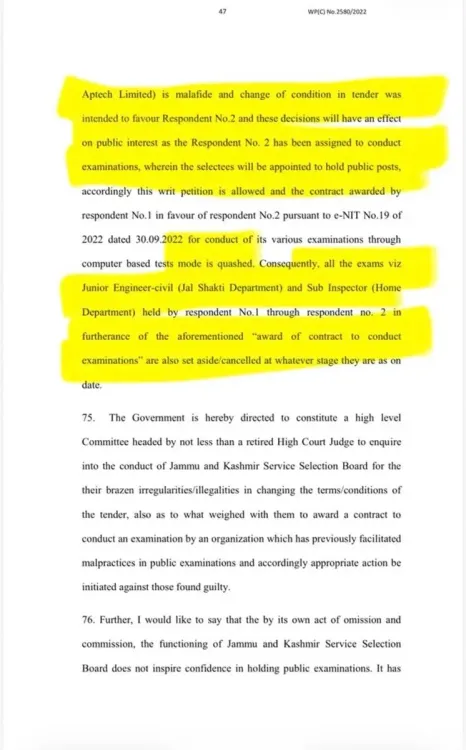
The Jammu and Kashmir High Court had issued observations and orders in the 2022 SSB paper leak matter.
A High Level Committee was reportedly set up to probe the leak, but its report has not been made public.
Omar Abdullah challenged Nadda to share the committee's findings at his next press conference.
The SSB paper leak directly affects J&K youth and job aspirants who depend on competitive recruitment examinations for government employment.
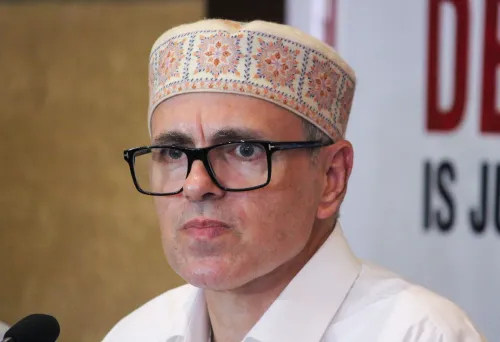
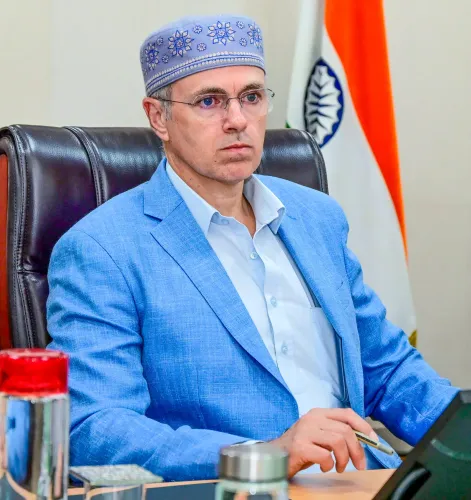
Jammu and Kashmir Chief Minister Omar Abdullah on Thursday, 23 July 2026, publicly corrected Bharatiya Janata Party president JP Nadda over the date of the Services Selection Board (SSB) paper leak in Jammu and Kashmir, stating the incident occurred in 2022 under a government headed by the Lieutenant Governor — not under the National Conference-Congress dispensation.
Context
JP Nadda had apparently referenced the SSB paper leak in a public statement or press conference, attributing it to a period that implied the current coalition government's responsibility. Omar Abdullah responded sharply, writing: 'You are absolutely correct about the SSB paper leak in J&K but you have got the date wrong. It was 2022. The government wasn't of NC and Congress. It was a government headed by Lt. Governor.' The Chief Minister's post also attached what appear to be documents referencing observations and orders of the Jammu and Kashmir High Court in the matter.
The SSB is Jammu and Kashmir's primary recruitment body for government posts. A leak in its examination process directly harms thousands of young job aspirants across the Union Territory who depend on these examinations for public employment.
Policy Backdrop
Jammu and Kashmir was reorganised as a Union Territory in 2019, placing governance under direct central administration through a Lieutenant Governor. For nearly five years after reorganisation, the elected government was absent, and all major administrative decisions — including oversight of recruitment bodies such as the SSB — rested with the centrally appointed LG administration.
The Jammu and Kashmir High Court had issued observations and orders in the 2022 SSB paper leak matter, signalling judicial concern over the integrity of the recruitment process. A High Level Committee was reportedly constituted to investigate the leak, but its report has not been made public. Omar Abdullah pointedly asked Nadda to share the committee's findings: 'We have no idea what happened to the High Level Committee or its report. Perhaps you can share that with us in your next press conference.'
Stakeholders and Impact
The primary victims of the SSB paper leak are Jammu and Kashmir's youth and job aspirants, many of whom invest years preparing for competitive government recruitment examinations. A compromised exam process forces re-examinations, delays appointments, and erodes trust in public institutions.
The political stakes are also significant. Recruitment integrity in J&K has been a recurring flashpoint since the 2019 reorganisation, with regional parties and the central government exchanging blame over administrative lapses during different phases of Union Territory rule. Omar Abdullah's post places responsibility squarely on the LG-administered period, while simultaneously demanding accountability from the BJP's national leadership for an unresolved investigation.
What's Next
The immediate focus shifts to whether JP Nadda or the BJP leadership will respond to the Chief Minister's demand for the High Level Committee report on the 2022 SSB paper leak. Any such disclosure — or continued silence — is likely to shape the political narrative around governance accountability in Jammu and Kashmir.
The J&K High Court's earlier orders in the matter also remain a reference point. If the committee report is not tabled or explained, renewed judicial or legislative scrutiny of the leak and its aftermath cannot be ruled out, keeping the issue alive for the region's youth and the broader debate over administrative accountability in Union Territory governance.
Point of View
And it puts BJP's national president on the defensive over an unresolved judicial and investigative trail. The move fits a broader pattern in post-reorganisation J&K politics, where the elected regional government and the central establishment have repeatedly contested ownership of administrative failures. By invoking the J&K High Court's orders and the missing High Level Committee report, Abdullah raises the accountability bar — forcing the BJP to either produce the report or absorb the optics of a cover-up. The episode underscores how recruitment integrity has become a proxy battleground for the larger unresolved question of who truly governs J&K.
NationPress
21 Oct 2026
Frequently Asked Questions
What is the J&K SSB paper leak that Omar Abdullah and JP Nadda are debating?
The J&K Services Selection Board (SSB) paper leak refers to a 2022 incident in which the integrity of a government recruitment examination in Jammu and Kashmir was compromised. The J&K High Court issued observations and orders on the matter, and a High Level Committee was reportedly formed to investigate it.
Who was governing J&K when the SSB paper leak happened in 2022?
In 2022, Jammu and Kashmir was under direct central administration with no elected government in place. The administration was headed by the Lieutenant Governor, not any political party.
What did Omar Abdullah say to JP Nadda about the SSB paper leak?
Omar Abdullah said Nadda was correct about the existence of the SSB paper leak but had got the date wrong. He clarified it was 2022, under LG-headed rule, and demanded that Nadda share the High Level Committee report on the leak at his next press conference.
What happened to the High Level Committee report on the J&K SSB paper leak?
According to Omar Abdullah, the status and findings of the High Level Committee formed to probe the 2022 SSB paper leak remain unknown to the public. He asked JP Nadda to make the report available.
Why does the J&K SSB paper leak matter to ordinary people?
The SSB is J&K's main recruitment body for government jobs. A paper leak undermines the fairness of the hiring process, directly harming thousands of youth and job aspirants who depend on these examinations for public sector employment.