Onion prices surge in Chennai as Maharashtra supply halves, traders flag ₹50-60 risk
Synopsis
Onion arrivals at Chennai's Koyambedu market have nearly halved — from 60–65 truckloads a day to just 30–35 — as monsoon rains batter Maharashtra's key growing districts. Wholesale prices have already jumped ₹10/kg, and traders warn of a further surge to ₹50–60/kg if supply doesn't recover. It's a familiar monsoon-season pattern with an unfamiliar intensity this year.
Key Takeaways
Onion wholesale prices at Koyambedu have risen by ₹10 per kg , now at ₹30–35 per kg , up from ₹20–25 per kg .
Daily onion arrivals have fallen from 60–65 truckloads to 30–35 truckloads due to Maharashtra monsoon disruptions.
Traders warn wholesale prices could rise further to ₹50–60 per kg if supply does not recover.
Key supplying centres affected include Nashik , Pune , and Solapur .
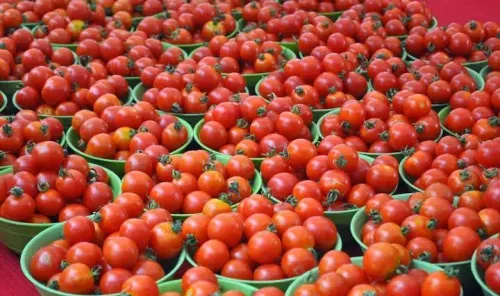
Tomato and most other vegetable prices remain stable; native tomatoes sell at ₹10–20 per kg .
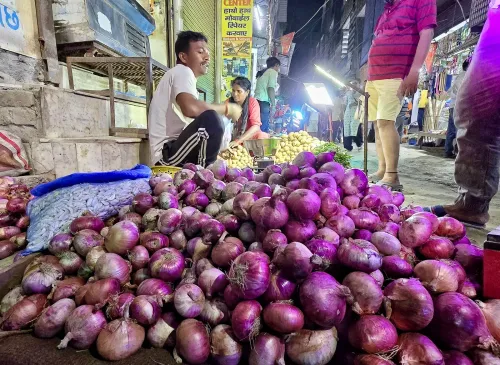
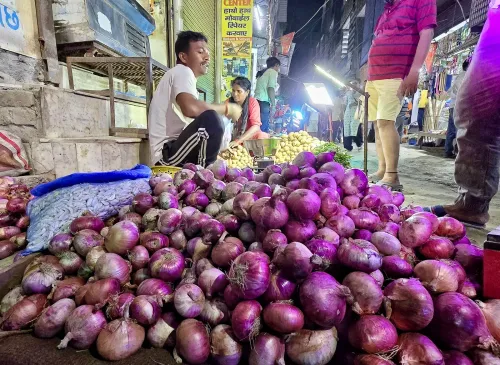
Onion prices in Chennai have risen sharply after daily arrivals from Maharashtra dropped by nearly half, with traders at the Koyambedu Wholesale Market warning that retail rates could climb further if supply does not recover soon. The price spike, reported on 11 July, is being attributed to heavy monsoon rainfall disrupting cultivation and transportation in Maharashtra's key onion-growing districts.
How Far Prices Have Risen
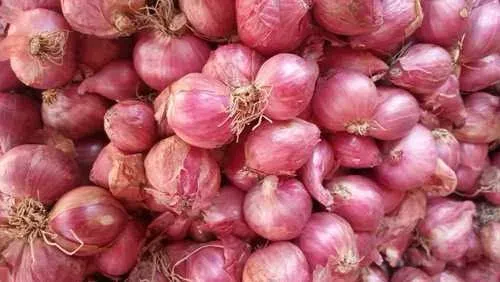
Wholesale onion rates at Koyambedu have increased by approximately ₹10 per kg over the past few days. Big onions that were trading at ₹20–25 per kg are now fetching ₹30–35 per kg, according to Muthukumar, president of the Koyambedu Small Wholesale Traders' Welfare Association. Retail prices are running slightly higher depending on the locality and vendor margins.
The Supply Crunch Behind the Spike
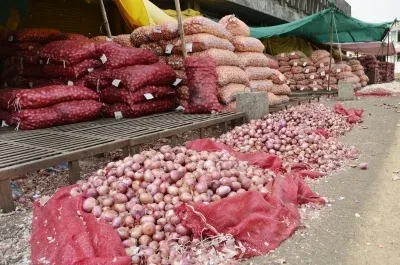
Koyambedu normally receives between 60 and 65 truckloads of onions daily from major producing centres including Nashik, Pune, and Solapur. Daily arrivals have now fallen to around 30 to 35 truckloads, traders said — a near-halving that has created an acute supply gap. Maharashtra, alongside Karnataka, is one of the principal sources of large onions for Tamil Nadu and several other states.
Worst-Case Outlook if Rain Persists
Traders cautioned that wholesale prices could escalate further to ₹50–60 per kg if arrivals from Maharashtra fail to recover in the coming days, with the impact eventually flowing through to retail markets. Market sources noted that such volatility is not unusual during the southwest monsoon season, when persistent rains routinely disrupt harvesting, damage standing crops, and slow transportation from producing regions. This is the recurring seasonal pattern that makes onion pricing one of the most politically sensitive food metrics in India.
Tomatoes and Other Vegetables Remain Stable
In contrast to onions, tomato prices have held relatively low due to abundant arrivals at the wholesale market. Native tomatoes are currently selling at ₹10–20 per kg, while hybrid varieties are priced between ₹30 and ₹50 per kg. Prices of most other vegetables have remained largely stable, with traders reporting no significant shift in supply or demand for those commodities.
What to Watch
Traders expressed hope that prices would stabilise once weather conditions ease and fresh arrivals return to normal levels. Consumers are, however, expected to feel the pinch if supply constraints persist through the coming weeks. The situation will be closely watched by state authorities, given that onion price spikes have historically triggered political pressure and government intervention in procurement and retail distribution.
Point of View
Yet the policy response remains reactive rather than structural. The near-halving of arrivals at Koyambedu within days of heavy Maharashtra rainfall exposes how thin the supply buffer is — and how little has changed in terms of storage infrastructure or alternative sourcing. With wholesale prices already at ₹30–35 and a credible trader warning of ₹50–60, this is the kind of number that reaches kitchen tables and, historically, ballot boxes. The real question is whether state governments will move early on procurement or wait, as they often do, until the spike becomes a headline crisis.
NationPress
11 Jul 2026
Frequently Asked Questions
Why have onion prices risen in Chennai?
Onion prices in Chennai have risen because heavy monsoon rainfall in Maharashtra has disrupted cultivation and transportation, causing daily arrivals at Koyambedu Wholesale Market to drop from 60–65 truckloads to around 30–35 truckloads. The supply shortfall has pushed wholesale prices up by approximately ₹10 per kg.
What are the current onion prices at Koyambedu market?
Wholesale onion prices at Koyambedu are currently ₹30–35 per kg, up from ₹20–25 per kg a few days ago, according to the Koyambedu Small Wholesale Traders' Welfare Association. Retail prices are slightly higher depending on the locality and vendor margins.
How high could onion prices go in Chennai?
Traders have warned that wholesale onion prices could rise to ₹50–60 per kg if arrivals from Maharashtra do not recover in the coming days. That increase would subsequently be reflected in retail markets across Chennai and Tamil Nadu.
Which regions are responsible for supplying onions to Chennai?
Maharashtra — particularly the districts of Nashik, Pune, and Solapur — and Karnataka are the principal suppliers of large onions to Tamil Nadu. Maharashtra's ongoing monsoon disruptions are the primary cause of the current shortage at Koyambedu.
Are other vegetable prices also affected?
No. Tomato prices have remained relatively low due to abundant arrivals, with native tomatoes selling at ₹10–20 per kg and hybrid varieties at ₹30–50 per kg. Prices of most other vegetables have remained largely stable, with no significant change in supply or demand reported by traders.