Operation Sindoor's psychological blow: How Pakistan is papering over military morale collapse
Synopsis
Operation Sindoor didn't just hit terror infrastructure — it hit Pakistan's military psyche. From Asim Munir's rushed Field Marshal promotion to a record PKR 3 trillion defence budget that gutted public welfare spending, Pakistan's response reveals a military establishment scrambling to project confidence it doesn't have — and making ordinary Pakistanis pay the price.
Key Takeaways
Operation Sindoor reportedly triggered a morale crisis across Pakistan's military and security forces , with desertions being reported among army and paramilitary ranks.
General Asim Munir pressured the Shehbaz Sharif government to promote him to Field Marshal — only the second such rank in Pakistan's history — framing it as a victory reward.
Pakistan's fiscal year 2026 budget allocated a record PKR 3 trillion for defence, an 18 per cent increase, at the cost of public development and welfare spending.
The Public Sector Development Programme was capped at PKR 1 trillion , with cuts to infrastructure, schools, and local projects to fund the defence hike.
Defence personnel across all ranks received a 25 per cent pay hike , approved by Munir, in a bid to curb desertions and retain personnel.
An aggressive tax collection target of PKR 15.26 trillion was set, effectively shifting the fiscal burden of military appeasement onto ordinary Pakistani citizens.
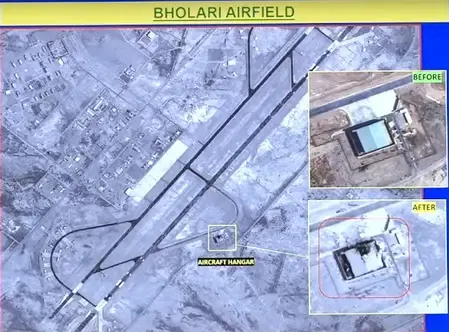
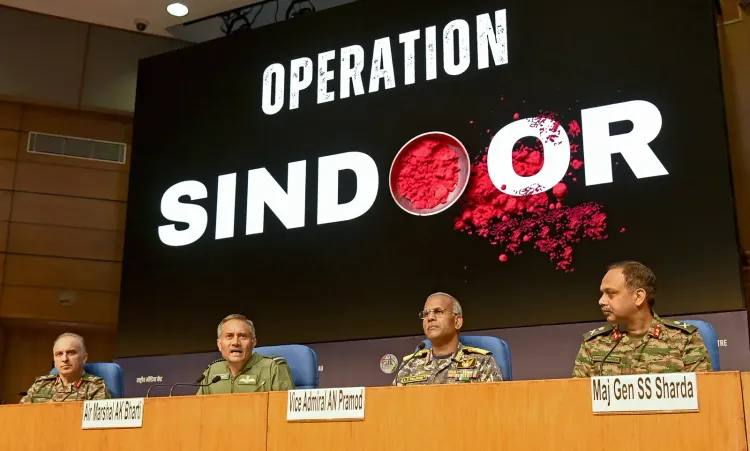
Operation Sindoor has left a deep psychological scar on Pakistan's military establishment, with the ripple effects now reportedly visible across all branches of the country's security forces, according to officials. The Indian armed forces' precision strikes — carried out in response to the Pahalgam terror attack — dismantled key terror infrastructure in minutes, including the headquarters of Jaish-e-Mohammad and a training facility of Lashkar-e-Taiba, delivering what analysts describe as a strategic shock to Islamabad.
Despite Pakistan publicly claiming it had gained the upper hand during the operation, officials say the reality on the ground tells a different story — one of declining morale, reported desertions, and a government forced to redirect public funds toward military appeasement.
Asim Munir's Field Marshal Gambit
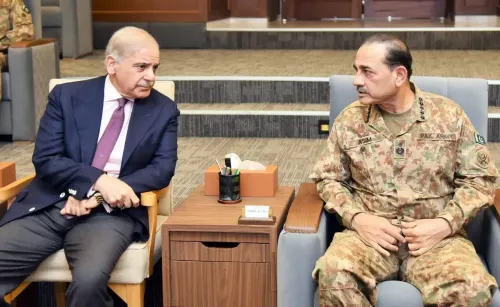
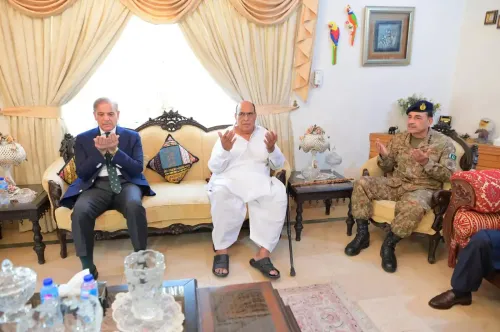
One of the most telling signals of the morale crisis, according to officials, was the decision by Pakistan Army chief General Asim Munir to seek a promotion to the rank of Field Marshal — only the second such appointment in Pakistan's history — immediately after the operation concluded. Officials say Munir pressured the Shehbaz Sharif government to confer the rank, framing it as a reward for what he sought to portray as a Pakistani victory.
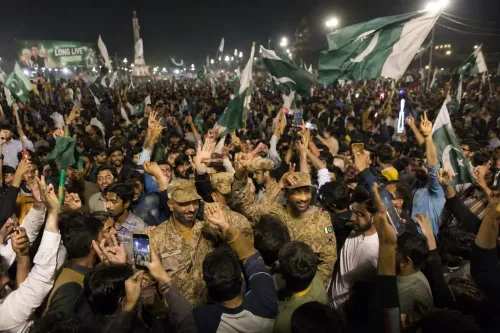
'Munir wanted the army and the people of his country to get a feeling that Pakistan was victorious during the operation, and hence, he was being rewarded with the rank of Field Marshal,' an official noted. Experts, however, say the move was a transparent attempt to manufacture a narrative of triumph in the face of a humiliating operational setback.
Notably, the promotion also served a secondary purpose: shoring up the morale of security forces simultaneously battling the Balochistan Liberation Army (BLA) and Tehreek-e-Taliban Pakistan (TTP) on the country's western front. Officials say desertions among both army personnel and paramilitary ranks have been reported with growing frequency — a sign that the pressure on multiple fronts is taking a tangible toll.
Record Defence Budget at the Cost of Public Welfare
The most consequential fallout of Operation Sindoor's psychological impact may be Pakistan's fiscal year 2026 federal budget, which allocated a record PKR 3 trillion for defence — roughly 16 per cent of the country's total federal expenditure. This represents an 18 per cent hike in military spending, a figure that the Sharif government reportedly resisted before eventually capitulating to army pressure.
To accommodate the defence outlay, the government squeezed the Public Sector Development Programme, capping federal development spending at just PKR 1 trillion. The cuts translate directly into reduced investment in infrastructure, schools, and local development projects.
Provincial governments were not spared either. Federal authorities reportedly pressured Punjab and Sindh to trim their own development plans, with surplus cash redirected to the federal capital. The government also drastically phased out energy and utility subsidies, meaning ordinary Pakistanis will now absorb the full cost of electricity and gas.
Tax Burden on Common Pakistanis
To bridge the fiscal deficit created by the defence spending surge, the government set an aggressive tax collection target of PKR 15.26 trillion, effectively passing the cost of military appeasement onto the common citizen. Officials say this approach has done little to address the underlying morale problem within the forces.
In a further bid to retain personnel and prevent desertions, the government approved a 25 per cent pay hike for defence personnel across all ranks, with immediate effect. An Intelligence Bureau official confirmed that Munir personally approved the revised pay structure. 'This is a cover-up and is meant to act as a morale booster after the humiliating defeat during Operation Sindoor,' the official said.
A Multi-Front Pressure Cooker
Officials say the confluence of factors — the aftermath of Operation Sindoor, the ongoing insurgencies in Balochistan and Khyber Pakhtunkhwa (KP), and the economic strain on ordinary Pakistanis — has created an unprecedented morale crisis within Pakistan's security apparatus. 'Although Pakistan has lost every war with India in the past, this is probably the first time that it is facing a situation such as this,' one official remarked.
Experts add that the speed and precision of Operation Sindoor — which reportedly neutralised major terror infrastructure within minutes — amplified the psychological impact on Pakistani military personnel far beyond what conventional military losses might have produced.
As Islamabad attempts to paper over the cracks with promotions, pay hikes, and a record defence budget, the long-term sustainability of this approach — at the expense of Pakistan's already strained public finances — remains an open question.
Point of View
Rushed through under pressure, is a textbook morale-management tactic — but it signals weakness, not strength, to anyone watching closely. More consequentially, the decision to ring-fence a record defence budget while gutting development spending and phasing out energy subsidies is a transfer of economic pain from the military to the Pakistani public. Pakistan's civilian government has repeatedly demonstrated its inability to resist army pressure on fiscal matters, and this budget is the starkest example yet. The real question is whether a 25 per cent pay hike and a ceremonial promotion can hold together a force facing simultaneous pressure from Operation Sindoor's aftermath, BLA insurgency, and TTP activity — or whether these are sticking plasters on a structural fracture.
NationPress
26 Jun 2026
Frequently Asked Questions
What was Operation Sindoor and why did it affect Pakistan's military morale?
Operation Sindoor was a precision strike operation by the Indian armed forces, carried out in response to the Pahalgam terror attack. It reportedly dismantled key terror infrastructure — including the Jaish-e-Mohammad headquarters and a Lashkar-e-Taiba training facility — within minutes, delivering a significant psychological blow to Pakistan's military establishment, according to officials.
Why was Asim Munir promoted to Field Marshal after Operation Sindoor?
According to officials, Pakistan Army chief Asim Munir pressured the Shehbaz Sharif government to confer the rank of Field Marshal on him — only the second such appointment in Pakistan's history — as a way to project a narrative of Pakistani victory and boost military morale. Experts say the move was a damage-control exercise following the operation's impact.
How has Pakistan's defence budget changed after Operation Sindoor?
Pakistan's fiscal year 2026 federal budget allocated a record PKR 3 trillion for defence, representing an 18 per cent hike and approximately 16 per cent of total federal expenditure. The Sharif government reportedly resisted the increase before yielding to army pressure, resulting in cuts to public development spending and energy subsidies.
How are ordinary Pakistanis affected by the defence spending surge?
To fund the 18 per cent defence hike, Pakistan's government capped the Public Sector Development Programme at PKR 1 trillion, phased out energy and utility subsidies, and set an aggressive tax collection target of PKR 15.26 trillion. This means reduced investment in infrastructure and schools, higher electricity and gas costs, and a heavier tax burden for common citizens.
What steps has Pakistan taken to address military desertions after Operation Sindoor?
Officials say the government approved a 25 per cent pay hike for defence personnel across all ranks, with immediate effect, personally approved by Asim Munir. The move was aimed at retaining personnel and curbing reported desertions among army and paramilitary ranks, which have been attributed to the combined pressure of Operation Sindoor's aftermath and ongoing insurgencies in Balochistan and Khyber Pakhtunkhwa.