CM Rekha Gupta Hails Operation Trident's Strike on Northeast Drug Networks
Synopsis
Delhi CM Rekha Gupta hailed Operation Trident — a simultaneous anti-drug sweep across 38 locations in Assam, Manipur, and Mizoram — as a major blow to cross-border narcotics cartels, reaffirming India's pledge to dismantle every drug network by 2029 under the Nasha Mukt Bharat Abhiyaan.
Key Takeaways
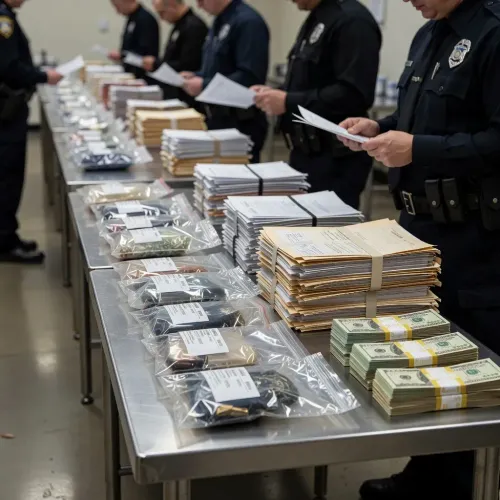
Operation Trident executed coordinated action across 38 locations spanning Assam, Manipur, and Mizoram in a single sweep.
The operation targets a cross-border drug network linked to trafficking routes connected to the Golden Triangle region.
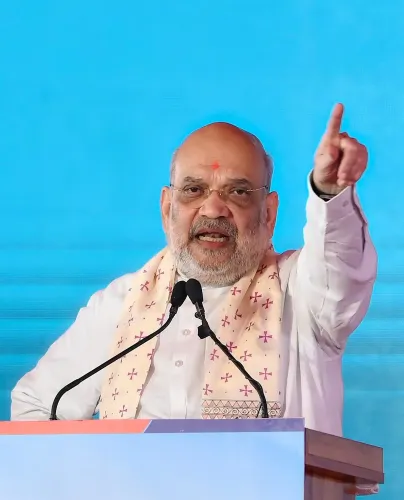
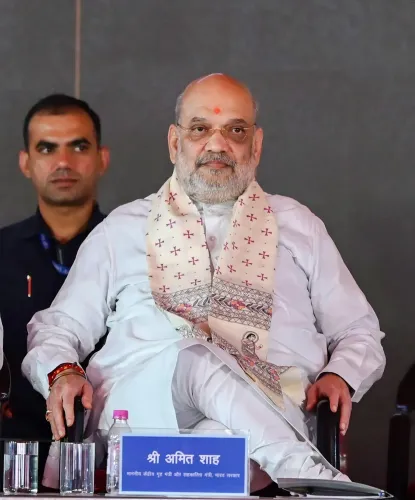
Delhi CM Rekha Gupta credited the operation to the leadership of PM Narendra Modi and Home Minister Amit Shah .
India has set a formal national goal to eliminate every drug network by 2029 .
The Nasha Mukt Bharat Abhiyaan , launched in August 2020 , provides the policy framework for awareness, prevention, and enforcement driving such operations.
Northeast border states face structural drug-trafficking pressure due to proximity to the Golden Triangle , making sustained disruption a long-term challenge.
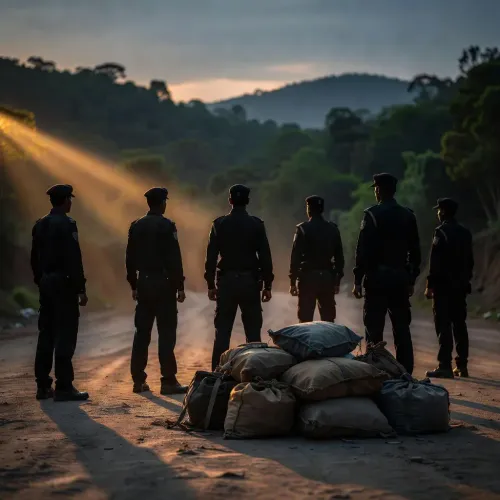
A coordinated law-enforcement sweep across 38 locations in Assam, Manipur, and Mizoram has taken aim at a cross-border drug network — and Delhi Chief Minister Rekha Gupta moved swiftly on Sunday, October 25, 2026, to call it a decisive blow against international drug cartels operating through India's northeastern frontier.
Operation Trident targets the Northeast's drug corridor
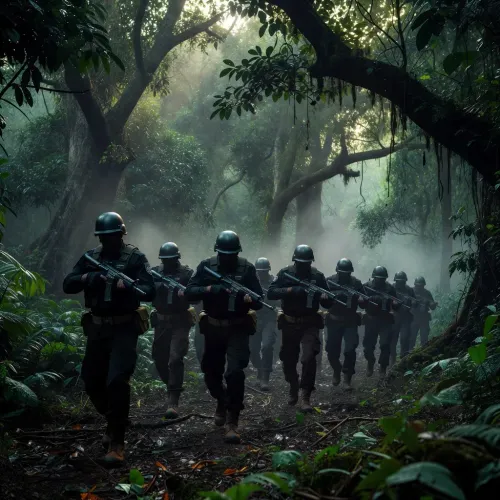
The operation, conducted under the broader national security framework championed by Prime Minister Narendra Modi and Union Home and Cooperation Minister Amit Shah, deployed central and state agencies in simultaneous action across three border states. The Northeast has long sat at the edge of the Golden Triangle — the world's most notorious narcotics production zone spanning Myanmar, Laos, and Thailand — making its corridors a persistent pressure point for Indian law enforcement.
Multi-agency sweeps of this scale, spread across state lines in a single coordinated push, represent the operational model that central authorities have increasingly favoured: hit supply networks at multiple nodes before they can adapt. Thirty-eight locations in three states in one action is designed to deny traffickers the breathing room a sequential crackdown would allow.
The 2029 drug-free pledge and what it demands
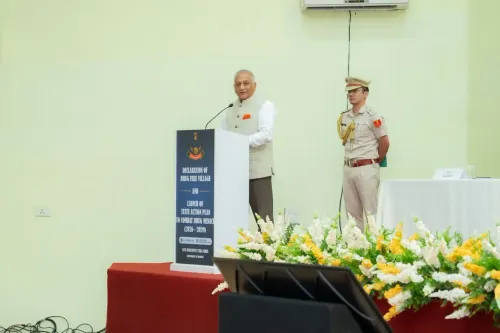
CM Gupta's post carried a pointed national commitment: 'Bharat is determined to eliminate every drug network by 2029.' That deadline anchors Operation Trident within the government's longer arc — the Nasha Mukt Bharat Abhiyaan, launched in August 2020, which set awareness, prevention, and enforcement as three interlocking pillars of a national anti-drug drive. The scheme's original mandate targeted districts with high drug-abuse prevalence; enforcement operations in border states are the hard edge of that same campaign.
The 2029 target is ambitious by any measure. Northeast India's proximity to the Golden Triangle means supply-side pressure is structural, not episodic. Sustained disruption demands not just raids but the dismantling of financial and logistics networks that allow traffickers to reconstitute after every crackdown.
Northeast communities and India's youth at the centre
Drug trafficking through Manipur and Mizoram in particular has fed abuse crises in local communities for years, with methamphetamines — locally known as yaba — among the dominant threats. CM Gupta's framing was explicit: 'There will be no compromise with the future of our youth.' The political and human stakes are inseparable here. A generation of young people in border towns bears the sharpest consequences of every shipment that passes through.
The Chief Minister praised the agencies involved, signalling both inter-agency coordination and political will as the twin engines behind the operation. Whether Operation Trident translates into lasting network disruption — or whether cartels reroute and rebuild — will depend on what follows the initial sweep.
India's 2029 deadline is now on the clock. Operations like Trident are how it is being tested, one coordinated raid at a time.
Point of View
Multi-agency enforcement actions in border states — actions that serve both genuine security goals and a political narrative around decisive governance. The 2029 drug-free pledge raises the stakes by putting a measurable deadline on a structural problem; if supply routes simply shift rather than collapse, that deadline becomes a political liability. The Nasha Mukt Bharat Abhiyaan's success will ultimately be judged not by the number of raids but by community-level indicators in high-prevalence districts — a metric that is far harder to display on a press release.
NationPress
25 Oct 2026
Frequently Asked Questions
What is Operation Trident India drug crackdown?
Operation Trident is a coordinated anti-narcotics operation that targeted a cross-border drug network across 38 locations in Assam, Manipur, and Mizoram simultaneously, aiming to disrupt trafficking routes linked to the Golden Triangle region.
What is India's 2029 drug-free target?
India has pledged to eliminate every drug network by 2029, a commitment reiterated by officials including Delhi CM Rekha Gupta in the context of Operation Trident and the Nasha Mukt Bharat Abhiyaan.
What is Nasha Mukt Bharat Abhiyaan?
Nasha Mukt Bharat Abhiyaan is a national anti-drug campaign launched in August 2020, focusing on awareness, prevention, and enforcement to reduce drug abuse across India, particularly in high-prevalence districts.
Why is Northeast India a major drug trafficking zone?
Northeast India borders the Golden Triangle — spanning Myanmar, Laos, and Thailand — one of the world's largest narcotics production zones, making states like Manipur and Mizoram significant transit corridors for drug trafficking into India.
What role did Amit Shah play in Operation Trident?
Union Home and Cooperation Minister Amit Shah oversees coordination of central law enforcement and anti-narcotics efforts; Operation Trident was conducted under the leadership framework he and Prime Minister Modi have established for internal security operations.