Does Himanta Biswa Sarma's Comment Reflect Pakistani Thinking?
Synopsis
AIMIM's Asaduddin Owaisi critiques Assam CM Himanta Biswa Sarma's comments on India's leadership identity, equating them to a 'Pakistani mindset'. This controversy highlights the ongoing political tensions regarding religious identity in Indian leadership. Can a hijab-wearing woman ever become Prime Minister? Explore the reactions from various political leaders.
Key Takeaways
Owaisi critiques Sarma's views on leadership identity.
Debate around religious representation intensifies.
Importance of constitutional inclusivity highlighted.
Political responses demonstrate diverse perspectives.
The conversation about a hijab-wearing Prime Minister raises questions.
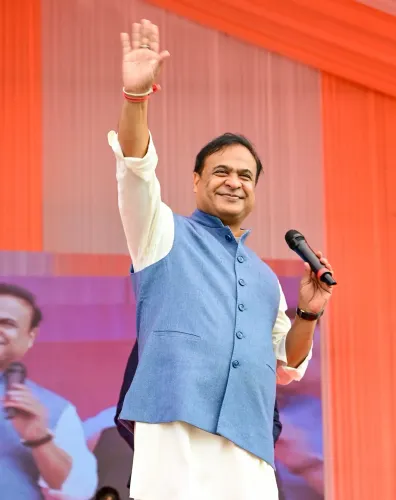
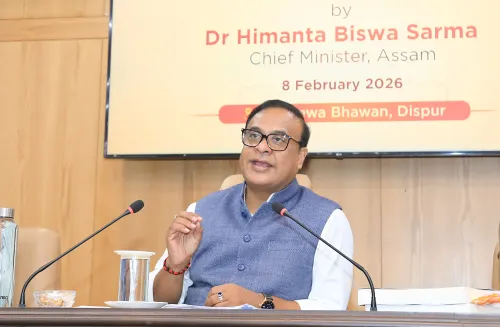
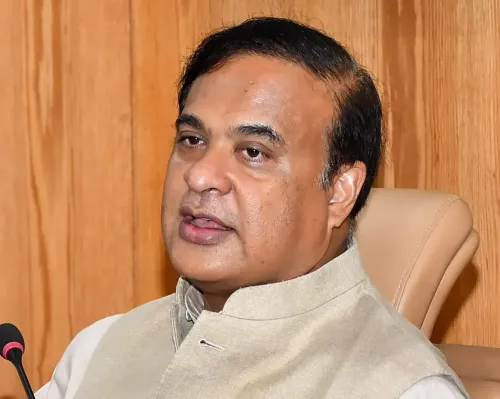
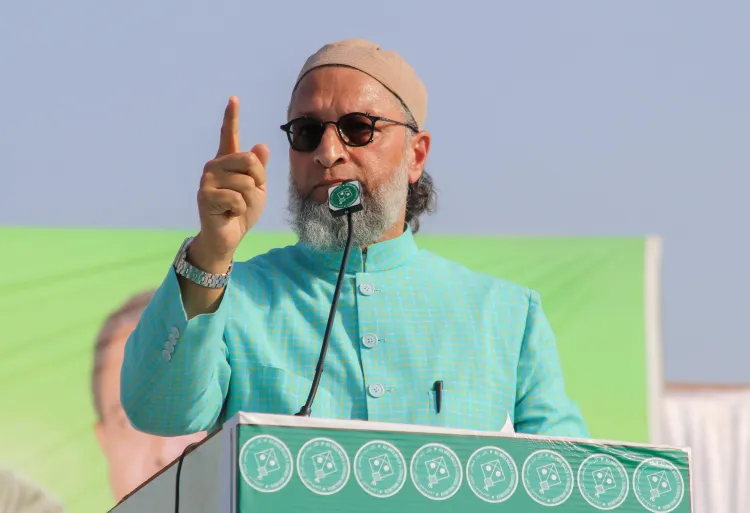
Nagpur, Jan 11 (NationPress) AIMIM leader Asaduddin Owaisi criticized Assam Chief Minister Himanta Biswa Sarma on Sunday for his comments regarding the religious identity of India's leaders, claiming it reflects a Pakistani mindset. This statement followed CM Sarma's assertion on Saturday that while the Constitution does not prohibit anyone from becoming the Prime Minister, the civilizational ethos of the country would ensure that the position remains with a Hindu.
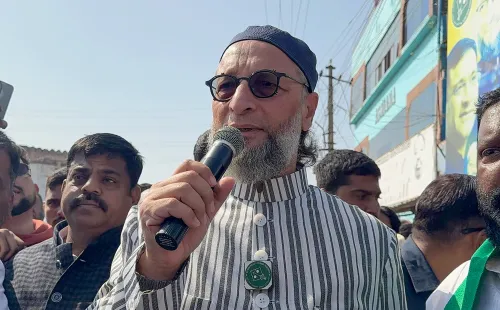
In an interview with IANS, Owaisi remarked, "His thought process resembles a tubelight. He has sworn an oath to the Constitution, but where does it state such a thing? Himanta Biswa Sarma's mindset mirrors that of Pakistan, where the Constitution restricts leadership roles to particular communities. Conversely, India’s Constitution, crafted by Dr. B.R. Ambedkar, is much more inclusive and considerate."
Owaisi further lamented, "It is unfortunate that some individuals fail to grasp the true essence of the Constitution. India is not owned by any one community; its strength lies in its diversity, including those who may not adhere to any religion. Such narrow-minded views reveal a petty mentality."
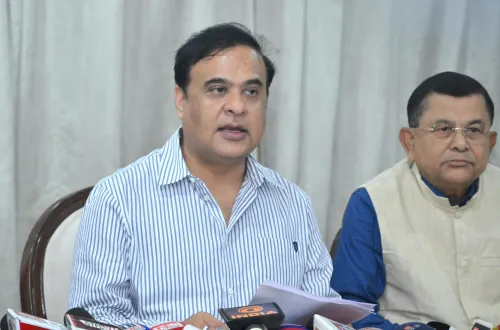
In his address to the media, CM Sarma stated there is "no constitutional restriction" on who can hold the highest executive position in the nation. He affirmed, "Anyone can become the Prime Minister of India," but emphasized that India is fundamentally a Hindu civilization and expressed his belief that the Prime Minister will always emerge from this framework.
This exchange escalated after Owaisi's remarks during a public gathering in Maharashtra's Solapur, where he claimed that one day a hijab-wearing woman would hold the office of Prime Minister.
The AIMIM leader’s comments sparked backlash from various political factions.
Chhattisgarh's Deputy Chief Minister Arun Sao stated, "Owaisi's sentiments distinctly illustrate how he politicizes religion, indicating he has no other options left."
BJP representative Poonam Mahajan asserted that Owaisi's AIMIM is an "offshoot" of Congress, which focuses solely on Muslim community issues.
Speaking to IANS, Mahajan remarked, "Owaisi is articulate and skilled in his speeches, yet he fails to translate that experience into effective politics. His approach seems to be one of division rather than unity. His party caters only to Muslim interests, neglecting national concerns, which is regrettable."
In contrast, Congress criticized Owaisi for not being "serious" about elections. Congress MP Imran Pratapgarhi commented, "His focus on who will be Prime Minister during local elections underscores how little he takes these elections seriously. He has yet to support a hijab-wearing woman as an MLA from his own party, so how can he promise to elevate someone to the Prime Minister's office? His claims are baseless."
Previously, Maharashtra Minister Nitesh Rane remarked, "Barking dogs rarely bite. As long as our Hindu nation persists, anyone threatening to convert our nation into an Islamic state must reconsider their position. If they continue to intimidate us, we won't even be able to worship in our homes or express our faith openly. We need to contemplate whether such individuals should be allowed to reside in Maharashtra."
Point of View
The ongoing discourse surrounding religious identity in Indian politics is pivotal. The Constitution of India, which emphasizes inclusivity, stands in stark contrast to the sentiments expressed by certain political leaders. It is essential for the nation to uphold the values of diversity and unity, ensuring representation for all communities while fostering a harmonious society.
NationPress
20 Sept 2026
Frequently Asked Questions
What did Owaisi say about Sarma's comments?
Owaisi criticized Sarma, claiming his views reflect a 'Pakistani mindset' regarding the religious identity of India's leadership.
What was Sarma's assertion regarding the Prime Minister's position?
Sarma stated that there are no constitutional restrictions on who can become Prime Minister, but emphasized that India is fundamentally a Hindu civilization.
What sparked the political backlash?
Owaisi's statement about a hijab-wearing woman potentially becoming Prime Minister led to criticism from various political factions.
How did other political leaders respond to Owaisi's remarks?
Political leaders from different parties condemned Owaisi's comments, highlighting the politicization of religion.
What is the significance of this political discourse?
This discourse reflects ongoing tensions regarding religious representation and inclusivity in Indian politics, crucial for the nation's democratic fabric.