Jal Shakti Minister Paatil backs Modi for 2029 polls
Synopsis
Union Jal Shakti Minister C. R. Paatil has publicly backed PM Narendra Modi for a fourth term in the 2029 general elections, invoking the Viksit Bharat 2047 vision as the rationale for leadership continuity.
Key Takeaways
Paatil , Union Jal Shakti Minister and senior BJP leader, publicly endorsed Narendra Modi for the 2029 general elections on 18 June 2026 .
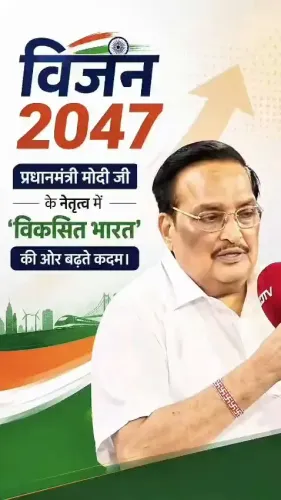
The endorsement is framed around the Viksit Bharat vision — the government's roadmap to make India a developed nation by 2047 .
BJP won a third consecutive Lok Sabha term in 2024 , making a 2029 win a bid for a fourth consecutive term under Modi .
Paatil is a former Gujarat BJP state president and a senior organisational figure within the party.
Cabinet ministers publicly endorsing Modi 's future candidacy is part of a broader BJP pattern of projecting single-leader continuity.
The Viksit Bharat Sankalp Yatra , launched in late 2023 , laid the public communication groundwork for linking development goals to Modi 's leadership.
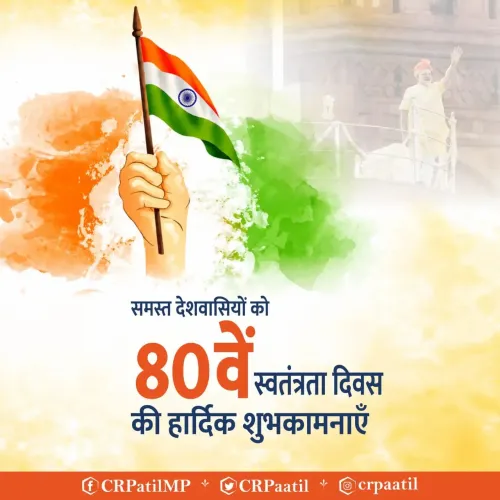
Union Jal Shakti Minister C. R. Paatil on Thursday, 18 June 2026 publicly called for Narendra Modi to lead the country again in the 2029 general elections, framing the appeal around the ruling party's flagship development vision. The senior BJP leader made the statement via a post on X, invoking the Viksit Bharat (Developed India) goal as the basis for continued leadership.
Context
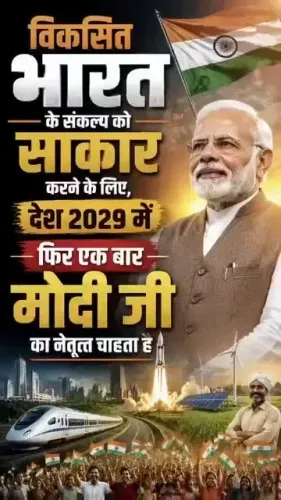
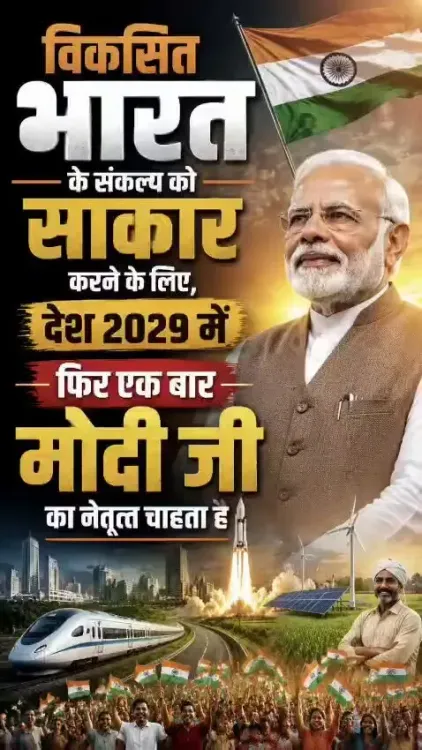
Paatil's post, written in Hindi, states: 'Viksit Bharat ke sankalp ko sakar karne ke liye desh 2029 mein phir ek baar Modi ji ka netritva chahta hai' — 'To realise the resolve of a Developed India, the country wants Modi ji's leadership once again in 2029.' The statement is unambiguous in its electoral intent, projecting Modi as the necessary vehicle for achieving the Viksit Bharat 2047 roadmap.
Paatil, a former Gujarat BJP state president and one of the party's organisationally influential figures, carries weight within the party structure. His endorsement reflects a pattern of senior cabinet ministers publicly anchoring long-term policy continuity to a single leader's political future.
Policy Backdrop
Viksit Bharat — the government's official vision for transforming India into a developed nation by 2047, the centenary of independence — has been a recurring theme across Union Budgets and NITI Aayog planning documents. The Viksit Bharat Sankalp Yatra, launched in late 2023, was a nationwide outreach drive to publicise welfare scheme saturation and the broader 2047 development roadmap.
BJP secured a third consecutive term at the Centre in the 2024 Lok Sabha elections, returning Modi as Prime Minister for a third term. Statements such as Paatil's are consistent with the party's post-2024 narrative of policy continuity, positioning the 2029 cycle as a natural extension of the current governance trajectory.
Stakeholders and Impact
For BJP cadre and allied organisations, a cabinet minister's early endorsement of Modi's 2029 candidacy serves a signalling function — reinforcing internal cohesion and projecting confidence to the broader electorate well ahead of the election cycle. Such statements also set the rhetorical frame through which the party intends to contest the next election: development continuity over leadership change.
For opposition parties, the statement provides an early data point about BJP's intent to run a Modi-centric campaign in 2029, mirroring the strategy that delivered victories in 2014, 2019, and 2024. The electorate — particularly voters in states where Viksit Bharat schemes have had visible impact — is the ultimate audience for this kind of ministerial messaging.
What's Next
Internal BJP organisational meetings and any formal announcements on pre-poll alliance structures will be closely watched as the party begins calibrating its 2029 strategy. If more cabinet ministers and state unit chiefs echo Paatil's framing in the coming months, it would signal a coordinated early campaign to consolidate the Modi-as-leader narrative ahead of the next electoral cycle.
The frequency and tone of such endorsements from within the cabinet will serve as an indicator of how early and how aggressively BJP intends to launch its 2029 positioning — with the Viksit Bharat vision as its programmatic anchor.
Point of View
Lending the endorsement an air of programmatic necessity rather than partisan preference. The fact that a minister of Paatil's organisational stature is making this call in June 2026 — nearly three years before the next election — suggests the party is keen to foreclose any internal or external narrative about post-Modi leadership. It also signals that Viksit Bharat will be the central policy frame BJP deploys to justify continuity in 2029, much as 'development' was the frame in 2014.
NationPress
18 Sept 2026
Frequently Asked Questions
Why is C. R. Paatil calling for Modi to lead in 2029?
Paatil cited the Viksit Bharat vision — the government's goal of making India a developed nation by 2047 — as the reason the country needs Modi 's continued leadership in the 2029 elections.
Who is C. R. Paatil?
C. R. Paatil is India's Union Jal Shakti Minister and a senior BJP leader who previously served as Gujarat BJP state president . He is known as a strong organisational figure within the party.
What is Viksit Bharat?
Viksit Bharat (Developed India) is the BJP -led government's official vision to transform India into a developed nation by 2047 , the centenary of independence. It has been featured in Union Budgets and NITI Aayog documents.
When are the next general elections in India?
India's next general elections are scheduled for 2029 . BJP won its third consecutive term in the 2024 Lok Sabha elections under Narendra Modi .
Is it unusual for cabinet ministers to endorse Modi for future elections?
No. Cabinet ministers and state BJP units have periodically issued public endorsements of Modi 's continued leadership, a pattern that has been consistent since the party's shift to personalised leadership after 2014 .