Jal Shakti Minister Paatil highlights water conservation work in Balrampur-Ramanujganj
Synopsis
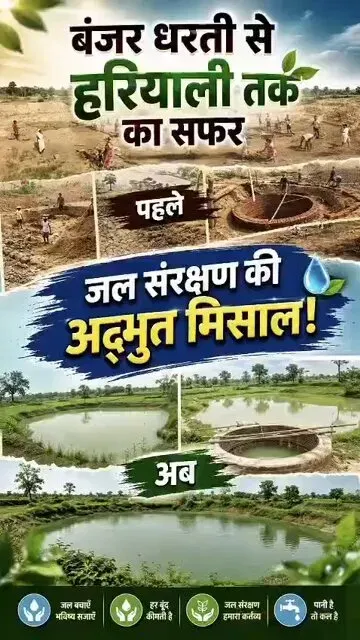
Union Jal Shakti Minister C. R. Paatil on 27 July 2026 highlighted check dams, pond rejuvenation, livelihood ponds and irrigation wells in Chhattisgarh's Balrampur-Ramanujganj district as transforming rural livelihoods under PM Modi's water conservation vision.
Key Takeaways
Union Jal Shakti Minister C.
Paatil posted on 27 July 2026 about water conservation work in Balrampur-Ramanujganj district, Chhattisgarh .
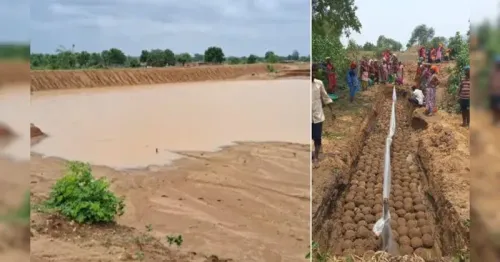
Structures highlighted include Ajeevika Dabri (livelihood ponds), pond rejuvenation , irrigation wells and check dams .
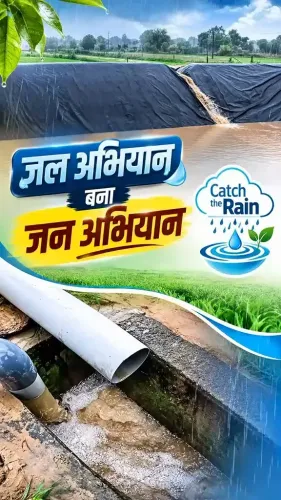
The work is framed as part of PM Narendra Modi's water conservation vision, implemented through the Jal Shakti Abhiyan and Catch the Rain campaign.
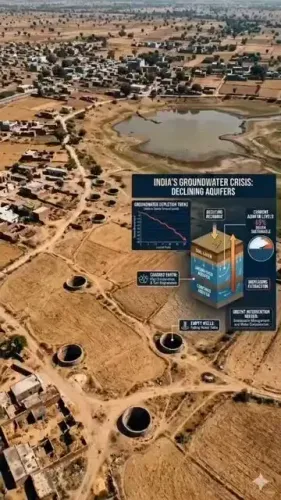
Balrampur-Ramanujganj is a tribal district with rain-fed agriculture, making groundwater recharge critical for food and water security.
The Catch the Rain campaign has been operational since 2021 , with Chhattisgarh included in successive annual phases.
Progress under the 2025-26 Jal Shakti Abhiyan cycle and state budget allocations will determine the scale of future expansion.
Union Jal Shakti Minister C. R. Paatil on Monday, 27 July 2026 highlighted ongoing water conservation efforts in Balrampur-Ramanujganj district of Chhattisgarh, crediting Prime Minister Narendra Modi's vision for driving positive change in rural livelihoods through rainwater harvesting structures.
Context
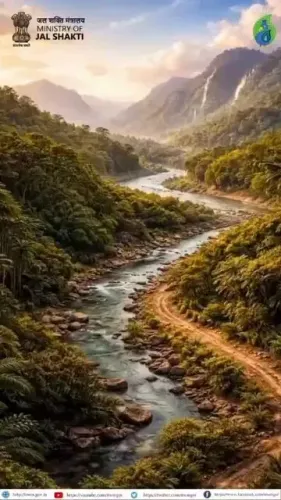
Paatil's post, shared in Hindi, states that water conservation work in Balrampur-Ramanujganj is becoming 'the foundation of positive transformation in rural life' (ग्रामीण जीवन में सकारात्मक परिवर्तन का आधार). The minister specifically cited Ajeevika Dabri (livelihood ponds), pond rejuvenation, irrigation wells, and check dams as the key structures being deployed to store rainwater and increase water availability for farming and irrigation.
Balrampur-Ramanujganj is a district in northern Chhattisgarh with a predominantly tribal and rain-fed agricultural economy, making groundwater recharge and surface water storage critical for seasonal crop cycles.
Policy Backdrop
The work highlighted by Paatil sits within a broader central-government framework built over the past decade. The Pradhan Mantri Krishi Sinchayee Yojana (PMKSY), launched in 2015, set the foundation for expanding irrigation coverage and improving water-use efficiency at the farm level. The Jal Jeevan Mission, announced in 2019, extended the government's water agenda to rural household piped supply.
The Catch the Rain campaign, started in 2021 under the Jal Shakti Ministry, directly targets the kind of pre-monsoon and monsoon-season asset creation — check dams, recharge pits, pond restoration — that Paatil's post describes. Chhattisgarh has been included in successive phases of the Jal Shakti Abhiyan, the ministry's annual district-level conservation drive, specifically to address rain-fed agriculture and declining groundwater tables in tribal regions.
Stakeholders and Impact
The primary beneficiaries of these structures are small and marginal farmers and rural households in Balrampur-Ramanujganj, who depend on seasonal rainfall for both drinking water and crop irrigation. Livelihood ponds (Ajeevika Dabri) serve a dual purpose: they recharge groundwater while also supporting fish farming and allied rural livelihoods.
Check dams and irrigation wells reduce dependence on erratic monsoon patterns by storing surplus rainwater for use during dry spells. Pond rejuvenation restores traditional community water bodies that had silted up or degraded over decades, reviving local water security without large-scale infrastructure investment.
What's Next
The Jal Shakti Abhiyan operates on an annual cycle, with district-level progress tracked and reported to the ministry. Chhattisgarh's performance in water-body creation and groundwater recharge under the 2025-26 phase will be a key indicator of whether ground-level implementation matches the momentum Paatil's post signals. State budget allocations for water-body rejuvenation in tribal districts will also determine the scale at which these efforts can be sustained and expanded beyond centrally driven campaigns.
Point of View
Check dams, dabri — also signals a deliberate pivot toward low-cost, community-rooted solutions over large dam-centric infrastructure. Whether this spotlight translates into measurable groundwater recovery in the district will be the acid test of the policy's depth.
NationPress
26 Oct 2026
Frequently Asked Questions
What is Ajeevika Dabri and how does it help farmers?
Ajeevika Dabri is a small farm pond constructed to store rainwater for irrigation and support allied livelihoods such as fish farming. It helps small farmers in rain-fed areas maintain water access during dry spells and supplements household income through aquaculture.
What is the Catch the Rain campaign?
Catch the Rain is a nationwide pre-monsoon water conservation campaign launched by the Jal Shakti Ministry in 2021. It promotes the creation of rainwater harvesting structures — including check dams, recharge pits and pond restoration — across districts before and during the monsoon season.
Why is Balrampur-Ramanujganj important for water conservation?
Balrampur-Ramanujganj is a tribal district in northern Chhattisgarh with a predominantly rain-fed agricultural economy. Groundwater depletion and dependence on erratic monsoon rainfall make water storage structures critical for both drinking water security and crop irrigation in the region.
What is the Jal Shakti Abhiyan?
Jal Shakti Abhiyan is an annual district-level campaign run by the Union Jal Shakti Ministry focused on rainwater harvesting, groundwater recharge and water body rejuvenation. Chhattisgarh has been part of successive phases of the campaign to address water stress in tribal and rain-fed areas.
What schemes back water conservation work in Chhattisgarh?
The central government's Pradhan Mantri Krishi Sinchayee Yojana (2015), Jal Jeevan Mission (2019) and Catch the Rain campaign (2021) together form the policy backbone for water conservation in Chhattisgarh, supporting structures like check dams, irrigation wells and pond rejuvenation at the district level.