Pakistan Army may plot India misadventure amid unrest: officials
Synopsis
Indian intelligence officials believe Pakistan's quiet in Kashmir is a tactic, not a retreat. With the army's image battered after Operation Sindoor, unrest in PoK, Balochistan and KP, and Indus water fears, officials warn Rawalpindi may provoke India out of desperation to redirect public anger away from itself.
Key Takeaways
Indian officials warn the Pakistan Army may attempt a misadventure against India to divert domestic anger.
Pakistan's 27th amendment , passed in November 2025 , rewrote military command rules under Article 243 and made the army chief also the Chief of Defence Forces .
An Intelligence Bureau official said terror operatives in Jammu and Kashmir have been told to stay underground and focus on radicalisation.
Unrest in PoK , Balochistan and Khyber Pakhtunkhwa , plus drought fears over the Indus Waters Treaty suspension, are adding pressure on the army.
Officials say Pakistan's diplomatic outreach, including the Mecca Pact , has not eased public discontent at home.
The Pakistan Army may attempt a military misadventure against India to divert public anger at home, Indian intelligence officials said in New Delhi on 28 November 2026. The assessment links this to the army's expanded powers under Pakistan's 27th constitutional amendment, growing unrest across several regions, and what officials describe as a deliberate lull in terror activity in Jammu and Kashmir.
According to officials, the army's calculations are driven less by strategy than by desperation, as its standing among ordinary Pakistanis has reportedly eroded.
The 27th Amendment and an All-Powerful Army
The 27th amendment, passed in November 2025, restructured Pakistan's judiciary, rewrote the rules of military command under Article 243, and granted broad immunities. It also created a dual-hat command in which the Chief of Army Staff serves concurrently as the Chief of Defence Forces.
Experts say the amendment has made the army almost uncontrollable, and that weak civilian leadership allowed this to happen. However, they note it has also changed how the public views the institution.
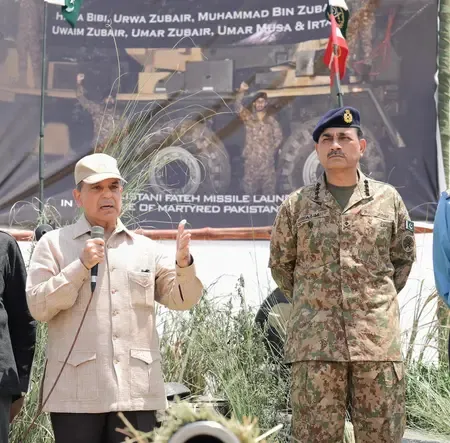
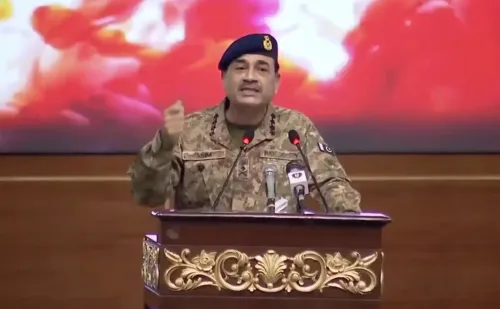
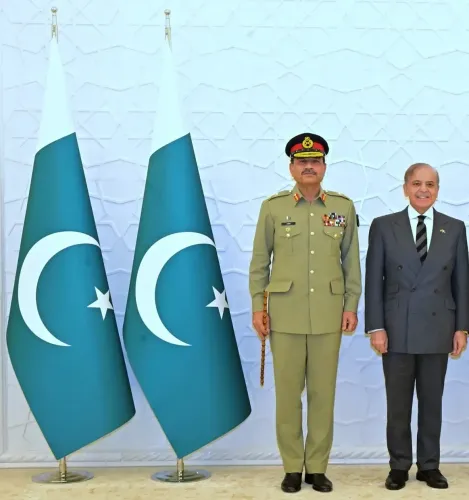
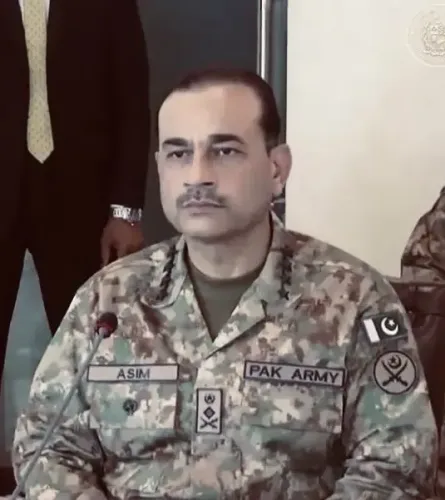
An official said that under Field Marshal Asim Munir, the army may have projected itself as a powerful force in complete control of Pakistan. Yet many Pakistanis, particularly supporters of former Prime Minister Imran Khan, reportedly now see the army as an adversary and a deeply unpopular institution. Mounting public anger has triggered clashes across several regions.
A Deliberate Lull in Jammu and Kashmir
An Intelligence Bureau official cautioned that the recent drop in terror-related activity in Jammu and Kashmir should not make India complacent.
“It is the Indian security forces that have to get credit for this. However, one must also be mindful of a deliberate strategy the Pakistan Army is playing when it comes to Jammu and Kashmir,” the official said.
According to officials, the army has told its terror operatives in the Union Territory to remain underground and focus on radicalisation and creating unrest in the Valley. “Pakistan’s proxies have been told to instigate the security forces so that there is firing which would lead to loss of lives. This becomes the ground for further unrest in the Valley,” the official said.
Intelligence agencies assess that the army would want Jammu and Kashmir to be on the boil if it plans a military escalation, since this would hamper the movement of Indian Army troops through the region. Pakistan would also look to activate assets currently held in reserve, the assessments reportedly indicate.
Pressures Driving Rawalpindi
Officials pointed to several converging pressures. Pakistan-occupied Kashmir (PoK), Balochistan and Khyber Pakhtunkhwa (KP) are witnessing persistent violence and protests, which officials say threaten to worsen.
There is also reportedly a fear of drought in Pakistan if India keeps the Indus Waters Treaty in suspension and builds dams near the border. Notably, the army's pride was already dented by India's Operation Sindoor, after which Pakistanis questioned the military's ability to protect the country.
Taken together, these factors have led the army to plan a major misadventure against India, the official claimed, adding that an India-related issue is seen as the best way to divert attention from domestic problems.
Diplomatic Outreach Falls Short at Home
Another official said Islamabad has tried to position itself as a global player by improving ties with the United States, acting as a mediator in the Iran war and signing the Mecca Pact. However, none of these manoeuvres has calmed public sentiment at home, the official said.
With unrest in Pakistan's restive provinces showing no sign of easing, Indian security agencies are expected to keep a close watch on the Line of Control and any revival of dormant networks in the Valley.
Point of View
And the 27th amendment concentrates both power and blame in Field Marshal Munir's hands. That is the paradox the anonymous assessments point to: total control means there is no civilian buffer left to absorb public fury. Still, readers should note this is an intelligence assessment by unnamed officials, not a confirmed plan, and such warnings also serve a signalling purpose. The real test for New Delhi is whether it treats the Kashmir lull as a gain to consolidate or as a pause to be exploited.
NationPress
28 Nov 2026
Frequently Asked Questions
Why do Indian officials think Pakistan Army may target India?
Officials say the Pakistan Army may provoke India to divert attention from mounting public anger at home. They cite unrest in PoK, Balochistan and Khyber Pakhtunkhwa, the blow to its image after Operation Sindoor, and fears of drought over the Indus Waters Treaty suspension.
What is Pakistan's 27th constitutional amendment?
The 27th amendment, passed in November 2025, restructured Pakistan's judiciary, rewrote military command rules under Article 243 and granted broad immunities. It created a dual-hat role in which the Chief of Army Staff also serves as Chief of Defence Forces.
Why has terror activity in Jammu and Kashmir declined?
An Intelligence Bureau official credited Indian security forces but warned the lull is also part of a deliberate Pakistani strategy. Operatives have reportedly been told to stay underground and focus on radicalisation and unrest in the Valley.
How does the Indus Waters Treaty factor into the assessment?
Officials say Pakistan fears drought if India continues the suspension of the Indus Waters Treaty and builds dams near the border. This is listed among the pressures driving the army's desperation.
Has Pakistan's diplomatic outreach helped the army domestically?
According to officials, it has not. Despite improved ties with the United States, a mediator role in the Iran war and the Mecca Pact, public discontent with the army reportedly persists.