Pakistan's Airstrikes Target Afghan Civilians, Resulting in 400 Deaths

Synopsis
The conflict between Pakistan and Afghanistan escalates dramatically, with a recent airstrike resulting in 400 civilian deaths. This troubling development highlights the ongoing violence and Pakistan's strategy of targeting civilian populations amidst calls for negotiation.
Key Takeaways
400 civilians killed in recent Pakistan airstrike.
This is the most deadly strike since 2021.
Pakistan's strategy involves targeting civilian areas.
Experts suggest potential for increased Afghan unity against Pakistan.
Humanitarian crisis likely to worsen due to ongoing violence.
New Delhi, March 17 (NationPress) The situation in Afghanistan is deteriorating rapidly, with the latest airstrike from Pakistan resulting in the death of 400 individuals. Officials describe this escalation as significant, indicating that Pakistan has no intention of ceasing its conflict with Afghanistan.
This marks the most devastating strike in Afghanistan since the 2021 suicide bombing that occurred during the withdrawal of US troops, which claimed the lives of 169 Afghan civilians and 13 US service members.
Since the onset of hostilities in February, there have been ongoing skirmishes along the border. Pakistan has heavily relied on its air capabilities to combat the Afghan Taliban.
Officials have stated that Pakistan recognizes it cannot maintain ground troops against the Taliban. Although attempts to engage with the Taliban have been made, Kabul remains resolute in rejecting any interference from Islamabad.
Another source indicated that Pakistan seems to be pursuing a regime change in Afghanistan. The bombing of a hospital appears to be a tactic to pressure the Taliban into negotiations, as per the official.
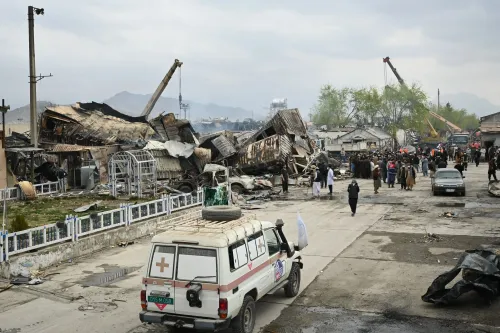
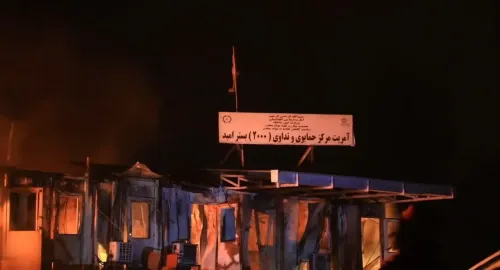
Mandullah Fitrat, Afghanistan’s deputy government spokesperson, reported that the airstrike targeted a hospital around 9 p.m. local time, causing extensive damage to the 2,000-bed facility. The current death toll stands at 400, with around 250 injured. Approximately 2,000 patients were present at the drug treatment hospital during the bombing.
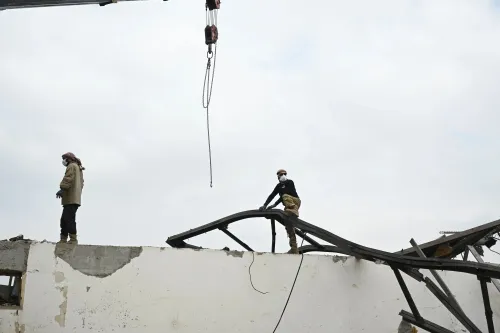
Fitrat mentioned that rescue operations are ongoing, with teams working to control the flames and retrieve bodies. The casualty figures may rise further, he noted.
Experts observing the situation believe the consequences of this strike could be substantial.
This act is clearly a miscalculation on Pakistan’s part, and it has inadvertently united the Afghan populace. Many Afghans, who previously did not support the Taliban, have begun to rally behind the regime after Pakistan expelled Afghan refugees. This has been perceived as an act of brutality, leading many to justify the Taliban's retaliatory actions against Islamabad.
In response, Pakistan has rapidly denied any involvement in the attack. Mosharraf Zaidi, a spokesperson for Pakistani Prime Minister Shehbaz Sharif, stated that Kabul's claims are unfounded and that no hospitals were targeted.
Pakistan asserted that its strikes were aimed at military objectives and terrorist support networks, claiming that the Afghan Taliban is aiding terrorist organizations that threaten innocent Pakistani lives.
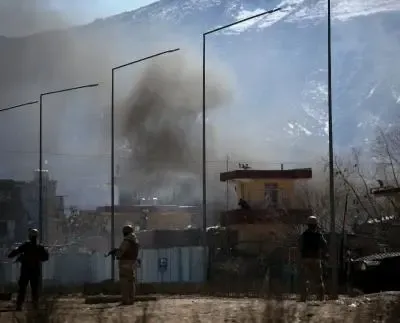
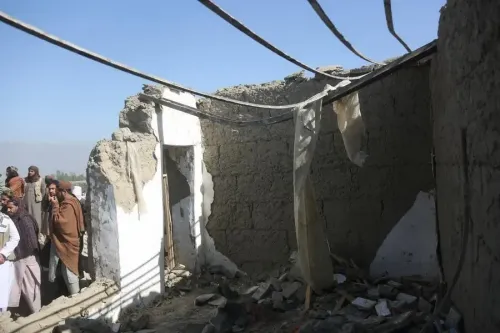
Since February 26, Pakistan has been conducting aerial strikes on Afghanistan. While it claims to target military sites, numerous civilian casualties have resulted from missed strikes.
Thus far, the strikes have led to at least 475 civilian deaths and displaced 115,000 individuals.
Officials assert that Pakistan's aim appears to be the destruction of Afghanistan, and the deliberate targeting of civilians underscores this objective. Additionally, Pakistan seeks to exploit the international community's focus on the conflict in Iran.
With no global intervention on the horizon, Pakistan aims to inflict maximum harm on the Afghan populace, officials added.
Since the conflict commenced, Pakistan has been endeavoring to alter the regime in Afghanistan, aware that the current leadership enjoys popular support. This explains the high incidence of civilian attacks.
Media reports indicate that the Afghan people are prepared to take arms and fight against the Pakistan Army, even bringing their children to the front lines.
According to officials, the Pakistan Army is attempting to deter public support for the Taliban through the killing of civilians.
Point of View
The ongoing conflict and the targeting of civilians in Afghanistan is alarming and warrants urgent attention. This situation not only endangers lives but also poses significant geopolitical challenges that require a concerted response from the international community.
NationPress
24 Sept 2026
Frequently Asked Questions
What caused the recent airstrike in Afghanistan?
The recent airstrike was conducted by Pakistan, resulting in significant civilian casualties, as part of the ongoing conflict between Pakistan and Afghanistan.
How many casualties were reported from the airstrike?
The airstrike has resulted in the deaths of 400 individuals, with approximately 250 others injured.
What is Pakistan's rationale for the airstrikes?
Pakistan claims that its airstrikes target military installations and terrorist support infrastructure linked to the Afghan Taliban.
How have the Afghan people responded to these attacks?
The Afghan populace has shown increasing unity against Pakistan's aggression, with many rallying in support of the Taliban as a response to the violence.
What are the potential consequences of these airstrikes?
The airstrikes may further escalate tensions in the region and lead to increased civilian casualties, prompting a humanitarian crisis.